
Pests and Diseases
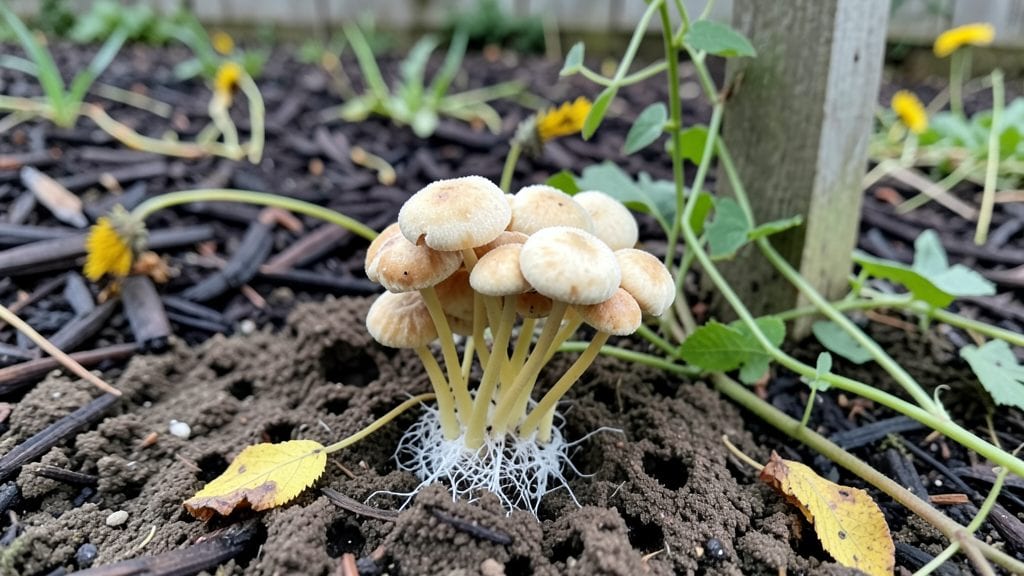
Mastering ground fungus garden fungus identification early can spare you the heartbreak of watching your plants wither overnight—just ask my poor hostas. The key is knowing what to look for—color, shape, and where it grows—so you can act fast.
Most garden fungi fall into three categories: harmless mushrooms (like the classic white button type), moldy patches (often from overwatering), and pathogenic fungi (the sneaky ones that rot roots or yellow leaves). The first two rarely need treatment, but the third demands action—like removing infected plants or adjusting soil moisture.
I’ll walk you through how to tell them apart with just a flashlight and a little curiosity.
By the end, you’ll spot the difference between a harmless puffball and a destructive slime mold in seconds. You’ll also learn when to pull it out yourself and when to call in reinforcements. No more guessing games—just clear steps to keep your garden thriving.
This works for lawns, flower beds, and vegetable patches alike. Let’s get you identifying like a pro so you can stop fungus before it starts.
Root Causes Behind Fungal Growth
Fungal outbreaks in garden soil aren’t random—they’re the result of specific conditions that fungi thrive in. Understanding these causes is the first step to prevention. Below, we break down the science behind why ground fungi appear in your garden and how environmental factors create the perfect breeding ground.
Fungi love damp environments, and overwatering or compacted soil traps excess moisture, creating ideal conditions for growth. Here’s why:
- Oxygen Deprivation: Waterlogged soil blocks oxygen, which fungi (unlike plants) don’t need to survive. Without competition from aerobic microbes, fungal spores spread unchecked.
- Spores Germinate Faster: Most garden fungi require moisture to activate. A single spore can multiply into a colony within 24–48 hours if soil stays soggy.
- Root Stress: Poor drainage weakens plant roots, making them more susceptible to fungal infections like Phytophthora or Pythium.
Actionable Fix:
- Test soil drainage: Dig a 12-inch hole, fill it with water, and time how long it takes to drain. If it takes >6 hours, amend soil with compost or sand.
- Avoid overhead watering; use drip irrigation or soaker hoses to keep foliage dry.
- Raise beds or install French drains in problem areas.
Leaves, mulch, and plant waste aren’t just nutrients—they’re fungal buffets. Decomposing matter provides food and shelter for spores. Key triggers:
- High Carbon-to-Nitrogen Ratios: Fungi prefer carbon-rich materials (like dry leaves or wood chips) over nitrogen. As these break down, they release sugars that fuel fungal growth.
- Microclimates: Thick mulch layers trap heat and moisture, mimicking a tropical rainforest—perfect for pathogenic fungi like Armillaria (honey fungus).
- Competition Displacement: Healthy soil microbes (bacteria, beneficial fungi) keep pathogens in check. Too much debris starves these allies.
Actionable Fix:
- Remove fallen leaves and weeds regularly; compost them away from garden beds.
- Use fine mulch (¼-inch thick) and keep it 6 inches away from plant stems.
- Add Trichoderma or mycorrhizal fungi to soil to outcompete pathogens.
Fungi are opportunistic—they exploit unstable conditions. Extreme swings in temperature and humidity create stress points where plants weaken and fungi strike.
| Condition | Fungal Risk | Why It Happens |
|---|---|---|
| Cool, Wet Springs | Botrytis (gray mold) | Slow plant growth + high humidity = fungal spores latch onto dew-covered leaves. |
| Hot, Humid Summers | Fusarium wilt | Heat stress weakens roots; fungi enter through microscopic wounds. |
| Frost Followed by Thaw | Rhizoctonia (black scorch) | Fungal spores lie dormant in soil; sudden warmth triggers rapid growth. |
Actionable Fix:
- Monitor soil temp with a probe; aim for 60–75°F for most plants.
- Improve airflow with trellises or pruning to reduce humidity near foliage.
- Use row covers in spring to prevent morning dew from lingering.
Just like humans, plants get sick when their defenses are low. Fungi exploit stress signals from plants, often triggered by:
- Nutrient Deficiencies: Low phosphorus or potassium weakens cell walls, making them easier for fungi to penetrate. Example: Verticillium thrives in nitrogen-deficient soils.
- Physical Damage: Pruning wounds, insect bites, or hail create entry points. Fungi like Sclerotinia release enzymes to digest injured tissue.
- Overcrowding: Poor spacing reduces air circulation, increasing humidity and fungal spore survival rates.
Actionable Fix:
- Test soil annually and amend with balanced fertilizer (e.g., 10-10-10) or compost tea.
- Space plants 2–3× their mature width apart for airflow.
- Seal pruning cuts with copper fungicide or horticultural sealant.
Pro Tip: 💡 Preventative tip: Solarize soil in late summer by covering it with clear plastic for 4–6 weeks to kill fungal spores with heat (up to 140°F).
Quick Fixes for Garden Fungus
Fungal infections in your garden can feel like a losing battle, but with the right approach, you can reverse the damage and prevent future outbreaks. Below are practical, step-by-step solutions tailored to common causes—plus prevention tips to keep your garden thriving. Let’s tackle this head-on!
Problem: Fungus thrives in soggy conditions, often from overwatering or compacted soil.
How to Fix It:
- 🔥 Adjust Your Watering Routine
- Water deeply 2–3 times per week (early morning is best) instead of daily light sprinkles.
- Use a moisture meter or the "finger test" (stick your finger 1–2 inches into the soil—if it’s damp, wait to water).
- 👨🍳 Improve Soil Drainage
- Amend heavy clay soil with compost, perlite, or coarse sand to create air pockets.
- Raise garden beds or plant in containers if drainage is chronically poor.
- ⏰ Let the Soil Dry Between Waterings
- Fungus spreads when roots sit in moisture for too long. Aim for well-drained soil that dries out slightly between waterings.
💡 Prevention Tip:
- Mulch wisely: Use straw or wood chips (not thick layers of organic mulch), which can trap moisture. Keep mulch 2–3 inches away from plant stems to prevent fungal buildup.
Problem: Fungus spores linger on diseased plants, tools, or debris, reinfecting your garden.
How to Fix It:
- 🔪 Remove and Dispose of Infected Plants
- Do NOT compost diseased foliage—fungus spores survive composting. Instead, bag and trash infected plants immediately.
- 🧼 Sanitize Garden Tools
- Clean pruners, trowels, and shears with 70% rubbing alcohol or a 10% bleach solution (1 part bleach to 9 parts water) between uses.
- 🌡️ Boost Plant Immunity
- Apply neem oil (a natural fungicide) or baking soda spray (1 tbsp baking soda + 1 tsp soap per gallon of water) to healthy plants as a preventive measure.
💡 Prevention Tip:
- Rotate crops annually to prevent fungal buildup in the same soil. Fungi like club root or powdery mildew often target the same plant families (e.g., tomatoes, peppers).
Problem: Leaves, fallen branches, and high humidity create the perfect fungal breeding ground.
How to Fix It:
- 🧹 Clean Up Garden Debris
- Rake and remove fallen leaves, spent plants, and weeds from the garden bed and surrounding areas.
- Aerate the soil with a fork to reduce compactness and improve airflow.
- 🌬️ Improve Air Circulation
- Prune plants to allow sunlight and air to reach the center of bushes and vines.
- Space plants 3–6 inches apart (depending on the variety) to prevent crowding.
- ✨ Reduce Nighttime Moisture
- Avoid watering after sunset—wet leaves overnight invite fungal spores. If you must water in the evening, use a soaker hose to keep foliage dry.
💡 Prevention Tip:
- Install a drip irrigation system to deliver water directly to roots, minimizing leaf wetness.
Problem: Weak or stressed plants are more susceptible to fungal attacks.
How to Fix It:
- 💪 Feed with Balanced Fertilizer
- Use a low-nitrogen, high-phosphorus fertilizer (e.g., 5-10-10) to boost root health and resistance.
- Avoid over-fertilizing with nitrogen—it promotes lush, weak growth that fungi love.
- 🥗 Add Beneficial Microbes
- Mix mycorrhizal fungi (available at garden centers) into the soil to outcompete harmful pathogens.
- Introduce beneficial bacteria like Bacillus subtilis (found in products like Serenade or Actinovate).
- 🍎 Choose Resistant Varieties
- Opt for disease-resistant plant varieties (e.g., 'Celebrity' tomatoes for blight resistance or 'Liberty' zucchini for powdery mildew resistance).
💡 Prevention Tip:
- Hardening off seedlings before transplanting reduces stress, making them less vulnerable to fungal infections.
If fungus has already taken hold (e.g., root rot, powdery mildew, or rust), act fast:
- 🍄 Fungicide Options:
- Copper-based sprays (e.g., Cueva or Bordeaux mixture) for severe cases.
- Biological fungicides like Trichoderma harzianum (e.g., Root Shield) to crowd out pathogens.
- 🌱 Last Resort: If a plant is beyond saving, remove it completely (roots and all) to prevent spread.
✅ Test your soil (pH 6.0–7.0 is ideal for most garden fungi). ✅ Rotate crops to starve fungal pathogens. ✅ Plant companion plants (e.g., marigolds repel fungi, basil deters mildew). ✅ Monitor humidity—aim for below 70% in your garden. ✅ Inspect plants weekly for early signs (yellowing, spots, or mold).
Remember: Fungal issues are manageable—don’t let them overwhelm you! With these targeted fixes, you’ll restore your garden’s health and keep future outbreaks at bay. 🌿✨
Frequently asked questions
What’s the fastest way to tell if ground fungus is harmful or harmless?
Check three things: location, growth pattern, and plant symptoms. Harmless fungi (like mushrooms) grow on soil or wood, have defined caps/stems, and don’t affect plants. Pathogenic fungi appear on stems/leaves, create fuzzy mats or spots, and cause wilting/yellowing. Use a magnifying glass to spot tiny black dots (spores) on harmful varieties.
Can I use vinegar to kill garden fungus?
Yes, but carefully! A 1:1 vinegar-water mix (5% acetic acid) kills spores on contact, but spray only on affected areas—never on edible plants or near beneficial soil microbes. Test a small patch first, and reapply every 7–10 days. For severe cases, combine with baking soda (1 tbsp vinegar + 1 tsp baking soda per gallon of water).
Why does fungus keep coming back even after I treat it?
Leftover spores in soil or hidden plant debris are the culprits. Break the cycle by removing all infected plants (roots and all), sterilizing tools with rubbing alcohol, and improving drainage. Fungi like Armillaria (honey fungus) can survive for years—consider solarizing soil (covering with plastic for 6 weeks in summer) to kill dormant spores.
Is it safe to compost fungus-infected plant material?
No—composting won’t kill fungal spores! Pathogens like Phytophthora survive heat and reinfect your garden. Double-bag infected material and trash it, or use a hot compost pile (>140°F for 3+ days) with high nitrogen (like grass clippings) to sterilize it—but even then, avoid using it near your garden for 6 months.
How do I prevent fungus in container gardens?
Focus on airflow and moisture control. Use pots with drainage holes, water only when the top inch of soil is dry, and avoid overhead watering. Add perlite or vermiculite to potting mix to improve aeration, and space plants to allow sunlight to reach all sides. For extra protection, mix mycorrhizal fungi into soil at planting time to outcompete pathogens.