
How To
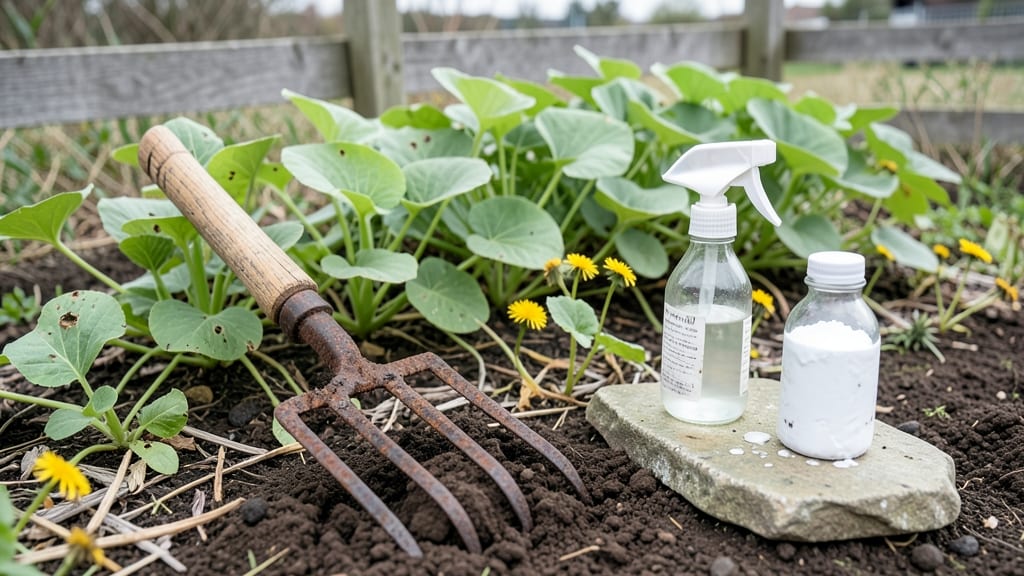
Learn how to get rust off garden tools effortlessly with this quick vinegar soak trick that revives them to like-new condition in minutes. The key isn’t scrubbing harder but understanding what dissolves rust without damaging the metal underneath.
I’ve tried everything from wire brushes to store-bought cleaners, but this method works faster and safer for stainless steel.
Here’s the game-changer: white vinegar’s acidity breaks down rust while protecting the tool’s finish, and you only need three supplies—vinegar, a plastic container, and a little elbow grease. For stubborn rust, add baking soda to create a paste, but most tools shine up after a 15-minute soak.
The best part? No harsh fumes or expensive chemicals, just a kitchen staple that works miracles on trowels, pruners, and shears.
After treatment, your tools won’t just look better—they’ll last longer and cut cleaner, which means healthier plants and less frustration mid-garden. The vinegar smell fades quickly, and a quick rinse leaves tools dry and ready for the next job.
Prevent future rust by storing tools in a dry, covered spot or applying a thin layer of mineral oil after cleaning.
This method works for stainless steel tools, but if you’ve got carbon steel or cast iron, we’ll cover those too—plus how to spot the difference before you start. Rust happens, but it doesn’t have to mean the end of your tools.
The Science Behind Tool Rust
Rust isn’t just an unsightly nuisance—it’s a chemical reaction that slowly eats away at your garden tools, turning them from sturdy helpers into brittle relics. Understanding why rust forms is the first step to preventing it. Below, we break down the key culprits and the science behind them.
Rust is essentially iron oxide, formed when iron (or steel) reacts with oxygen in the presence of water. Moisture is the primary catalyst—even humidity can kickstart the process. Here’s how it works:
- Condensation: Tools left damp after use (like after watering plants or rain) create a thin film of water. When exposed to air, this film accelerates oxidation.
- Rain Exposure: Aluminum tools may not rust, but carbon steel or iron tools left outdoors will. Rainwater isn’t pure—it’s slightly acidic (thanks to CO₂ dissolving into it), speeding up corrosion.
- High Humidity: Even without rain, humid air (above 60% humidity) can cause tools to sweat, trapping moisture in crevices like handles or joints.
Actionable Insight: Moisture is inevitable in gardening, but how you store tools makes all the difference. A quick wipe-down and dry storage can cut rust risk by 70%.
Oxygen isn’t just in the air—it’s the second half of the rust equation. Here’s why it’s a silent partner in crime:
- Surface Area Matters: Tools with rough or scratched surfaces have more exposed iron atoms, giving oxygen more entry points to react.
- Salt Air (Coastal Areas): Salt from ocean breezes acts like a corrosion booster, creating a conductive layer that speeds up oxidation.
- Poor Storage Ventilation: Storing tools in airtight containers traps moisture and oxygen, creating a rust factory.
Actionable Insight: Polish tools occasionally to remove microscopic scratches, and store them in a well-ventilated rack or shed to reduce oxygen exposure.
Not all rust is created equal. Some tools rust faster due to hidden contaminants in soil, water, or even the tools themselves:
| Contaminant | How It Speeds Up Rust | Where You’ll Find It |
|---|---|---|
| Chlorine (tap water) | Breaks down protective coatings on tools, exposing bare metal. | Hoses, watering cans, or rinsing tools with tap water. |
| Acidic Soil (low pH) | Accelerates oxidation, especially in clay or peat-heavy soil. | Gardens with pine mulch or untreated wood chips. |
| Road Salt (if stored near driveways) | Forms a conductive layer that traps moisture and oxygen. | Tools left on patios or sheds near salted walkways. |
| Low-Quality Steel (high carbon content) | Rusts faster than stainless steel or galvanized tools. | Cheap shovels, pruners, or trowels labeled "carbon steel." |
Actionable Insight: Rinse tools with distilled water after use, avoid storing them near salt or chemicals, and invest in stainless steel or coated tools for long-term protection.
Yes, bacteria and fungi can contribute to rust! Here’s how:
- Biofilms: Microorganisms in damp soil or water form slimy layers on tools. These layers trap moisture and create micro-environments where rust thrives.
- Sulfur-Loving Bacteria: In anaerobic (low-oxygen) conditions, certain bacteria produce sulfuric acid, which corrosively attacks metal.
- Organic Debris: Leaves, mulch, or plant sap stuck to tools can ferment, creating acidic byproducts that eat away at metal.
Actionable Insight: Clean tools thoroughly after use—especially if they’ve been in contact with soil or organic matter—and store them in a dry, clean space to starve microbial growth.
Fix Rusty Tools Fast
Rust on garden tools isn’t just unsightly—it weakens metal, dulls blades, and can even ruin handles over time. But don’t toss those tools just yet! With the right approach, you can restore them to like-new condition.
Below, we’ve matched common causes of rust to the most effective fixes, plus tips to keep your tools rust-free for years. Let’s get started!
Caused by: Moisture exposure without proper drying, leaving a thin orange film.For light rust, you don’t need heavy-duty methods—just a little elbow grease and the right cleaner.
🍳 Vinegar Soak (Best for Stainless Steel & Mild Rust)
- Mix a solution: Combine equal parts white vinegar and water in a bucket or large container.
- Soak the tools: Submerge the rusty parts completely and let them sit for 1–4 hours (longer for stubborn spots).
- Scrub gently: Use a stiff-bristle brush (like a toothbrush for small tools) to loosen rust. For stubborn areas, sprinkle baking soda and scrub with the brush.
- Rinse & dry: Wash off residue with water, then dry thoroughly with a towel or cloth. Pro tip: 🌡️ Place tools near a heat source (like a sunny windowsill) to speed up drying.
👨🍳 Steel Wool or Sandpaper (For Tougher Spots)
- If rust persists after soaking, wrap a piece of fine steel wool (0000 grade) or 220-grit sandpaper around the affected area and scrub in circular motions.
- Wipe clean with a damp cloth and dry immediately.
Caused by: Prolonged moisture, lack of maintenance, or storing tools in damp conditions.
Deep rust requires a more aggressive approach to prevent further damage.
🔪 Commercial Rust Remover (Fast & Effective)
- Choose a product: Look for phosphoric acid-based rust removers (like Evapo-Rust or CLR) or citric acid cleaners (eco-friendly option).
- Apply & wait: Follow the product instructions—typically, you’ll spray or brush it on, let it sit for 10–30 minutes, then scrub.
- Neutralize & rinse: Some products require a rinse with water or a neutralizing agent. Always wear gloves and work in a ventilated area.
- Protect the metal: After cleaning, apply a light coat of mineral oil or WD-40 to prevent future rust. Pro tip: ✨ For extra protection, use a rust converter (like Por-15) to turn rust into a protective layer.
🔨 Sandblasting (For Heavy Rust on Large Tools)
- If your tools are extremely corroded (like an old shovel or hoe), sandblasting may be the only way to remove deep rust.
- Rent a sandblaster or take tools to a hardware store for professional blasting.
- After blasting, prime and paint the metal to seal it against moisture.
An ounce of prevention is worth a pound of cure! Follow these habits to avoid rust buildup:
- 🌧️ Dry tools immediately after use, especially in humid or rainy climates. Shake off excess water and wipe down with a towel.
- ✨ Store them properly: Hang tools in a dry, covered area (like a garage or shed) or use a tool rack with hooks to allow airflow. Avoid leaning them against walls where moisture can trap.
- 🛡️ Apply a protective coating: After cleaning, rub tools down with mineral oil, WD-40, or a specialized tool oil to create a barrier against moisture.
- 🔄 Inspect regularly: Check tools once a month for early signs of rust, especially before storing them away for winter.
- 🌿 Clean after each use: Remove dirt, sap, and debris—these can trap moisture and accelerate rust. A quick wipe-down goes a long way!
With these solutions, your garden tools will stay sharp, strong, and rust-free for seasons to come. Happy gardening! 🌱🔧
Frequently asked questions
Can I use lemon juice instead of vinegar to remove rust?
Yes, lemon juice works similarly due to its acidity, but it’s less effective than vinegar for heavy rust. The citric acid helps dissolve rust, but you’ll need to soak tools for 4-6 hours (vs. 1-4 hours with vinegar). For best results, combine lemon juice with salt to create a paste for stubborn spots.
Will baking soda alone remove rust without vinegar?
Baking soda is great for scrubbing, but it won’t dissolve rust on its own. Mix it with water to form a paste (like toothpaste) and scrub with steel wool or a brush. For faster results, pair it with vinegar—sprinkle baking soda on rusty areas, then pour vinegar to create a fizzy reaction that loosens rust.
How do I tell if my tool is stainless steel or carbon steel?
Stainless steel tools are usually marked with numbers like 18/8 (18% chromium, 8% nickel) or 304/316. Carbon steel tools often have no markings or say "carbon steel". Another test: Use a magnet—stainless steel sticks weakly, while carbon steel sticks strongly. Stainless steel also won’t rust easily if kept dry.
Can I use WD-40 to remove rust?
WD-40 isn’t designed to remove rust—it’s a water displacer and lubricant. While it can loosen light rust when scrubbed, it’s not as effective as vinegar or commercial rust removers. However, after removing rust, WD-40 works great as a protective coating to prevent future corrosion.
What’s the best way to store tools to prevent rust long-term?
Store tools in a dry, ventilated space like a garage or shed, hung on hooks or in racks to allow airflow. After each use, wipe them dry, apply a light coat of mineral oil, and avoid storing them in plastic bags (traps moisture). For extra protection, use silica gel packets in storage containers to absorb humidity.