
Landscaping
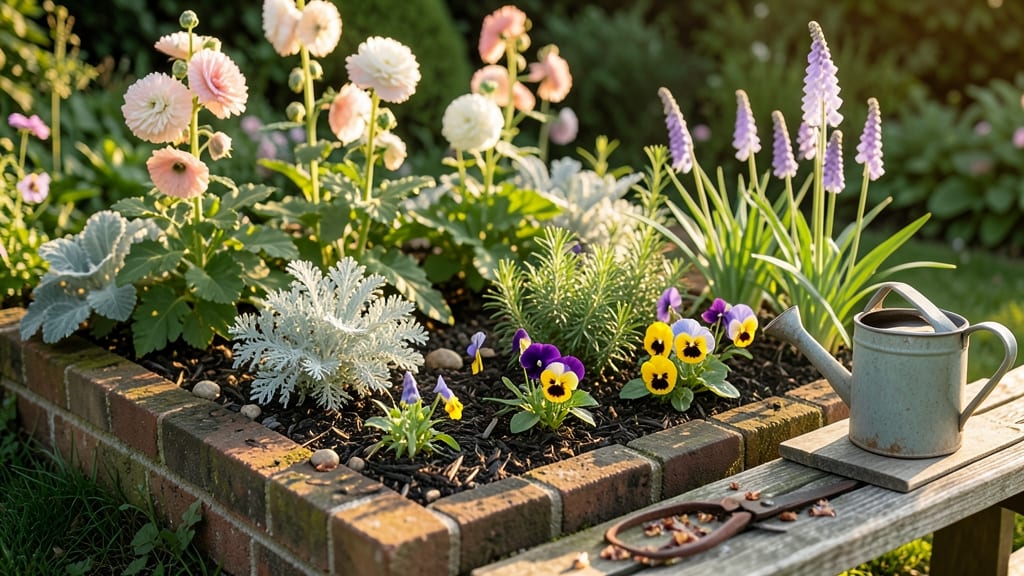
The cottage garden landscaping I fell in love with starts with a single, messy rule: let plants do what they want. 🌿 My first attempt looked like a botanical explosion—roses climbing over pebbled paths, lavender spilling into wildflower drifts, and herbs tucked between everything.
The key isn’t perfection; it’s the feeling of wandering into a storybook scene where every plant has a place, even if it’s not where you put it.
You’ll need a mix of romantic climbers (clematis, morning glories, honeysuckle), wildflower meadow seeds for natural drifts, and layered borders with roses, peonies, and foxgloves. Curved paths made of stepping stones or gravel weave through it all, inviting you to linger.
The color palette leans into soft pinks, purples, and creamy whites—think vintage watercolors come to life. Best of all, this style thrives on imperfection, so even my black thumb can pull it off.
By summer, you’ll have a garden that smells like a sunlit meadow, buzzing with bees and hummingbirds. The roses will climb trellises or sprawl across old wooden crates, while the wildflowers sway in the breeze.
It’s not just a garden—it’s a living postcard where every season brings something new. Here’s how to start without overthinking it.
This design works in small backyards or large estates, urban balconies with hanging baskets, or rural plots with old stone walls. The magic is in the blending: native wildflowers for pollinators, edible herbs for the kitchen, and classic cottage favorites for that timeless charm.
Let’s make your garden feel like home.
📚 In This Guide
- What you need
- Instructions
- Tips and common mistakes
- Wrapping up and next steps
What you need
- ● Soil & Amendments: Topsoil (2–3 cubic yards, depending on garden size)
- ● Compost (1–2 bags or a wheelbarrow’s worth)
- ● Organic mulch (straw, cedar chips, or pine bark—10–15 bags)
- ● Plants & Seeds: Perennial flowers (e.g., peonies, delphiniums, lavender—10–20 plants)
- ● Annuals (e.g., sweet peas, marigolds, cosmos—50+ seeds or seedlings)
- ● Climbing vines (e.g., clematis, roses, wisteria—3–5 plants)
- ● Wildflower seed mix (1–2 lbs for meadow areas)
- ● Hardscape Essentials: Garden trellises or arbor (1–3, depending on size)
- ● Garden stakes or cages (for vines—5–10)
- ● Gravel or stepping stones (for pathways—20–50 sq. ft.)
- ● Tools: Garden trowel & spade
- ● Pruners (bypass or anvil)
- ● Garden fork & rake
- ● Wheelbarrow (for hauling soil)
- ● Hose with adjustable nozzle
- ● Decorative garden ornaments (e.g., vintage teacups, birdhouses, or wind chimes)
- ● Arched stone or wooden bridges (for whimsical pathways)
- ● Potted herbs (e.g., rosemary, thyme—3–5 plants for fragrance)
- ● Drip irrigation system (for low-maintenance watering)
- ● Colorful garden flags or stakes (to label plants)
Step-by-step instructions for creating your cottage garden landscaping
Here's how to blend romantic vines with wildflower meadows for a timeless, low-maintenance cottage garden.
🌱 Step 1: Plan Your Layout for Natural Balance
Sketch a rough design with 4 main sections: a central path, vine-covered arches or trellises, a wildflower meadow area, and a few focal shrubs or small trees. I like to place the wildflower meadow in the sunniest spot—it thrives with 6+ hours of sunlight daily—while positioning vines near fences or trellises for vertical interest.
Mark the path with 2-3 inch wide stones or stepping stones spaced 12-18 inches apart. This keeps the area walkable without overwhelming the natural look. Avoid straight lines—cottage gardens feel organic, so let the path meander slightly. If you're unsure, walk through the space and note where you naturally pause or turn; those spots often make great focal points.
☀️ Step 2: Prepare the Soil for Wildflowers and Vines
Clear the meadow area of weeds and debris, then loosen the top 6 inches of soil with a garden fork. Cottage gardens love rich, well-draining soil, but wildflowers actually prefer leaner conditions. Mix in 2-3 inches of compost only if your soil is extremely poor—too much nutrients will encourage weeds over wildflowers.
For vine supports, dig holes for trellises or arches 12 inches deep and 12 inches wide, spacing them 4-6 feet apart depending on vine maturity. Fill the holes with native soil and tamp firmly. If your soil is heavy clay, add a handful of perlite to each hole to improve drainage—vines hate soggy roots.
🌿 Step 3: Plant Wildflowers in Clusters
Scatter wildflower seeds in small clusters of 3-5 seeds, spacing groups 12-18 inches apart. Press them lightly into the soil—don’t bury them, as they need light to germinate. I like to use a mix of native perennials like black-eyed Susans, coneflowers, and milkweed for long-term beauty, plus some annuals like cosmos and zinnias for instant color.
Water gently but thoroughly after planting to settle the soil. Keep the area moist but not soggy for the first 2-3 weeks—you’ll see tiny sprouts appear within 10-14 days. Avoid stepping on the meadow once planted; let the seeds establish without disturbance. If birds or squirrels raid your seeds, cover the area with lightweight netting until germination.
🪴 Step 4: Install Vines and Train Them for Structure
Plant vine starts like clematis, wisteria, or morning glories near their trellises, spacing them 18-24 inches apart. Dig holes just deep enough to accommodate the root ball, then backfill with native soil mixed with a handful of bone meal for phosphorus—this encourages strong root growth. Water deeply to remove air pockets around the roots.
As vines grow, gently weave them through the trellis or arch supports. I tie stems loosely with soft twine or plant ties every 6-8 inches to guide their growth without restricting it. This creates a natural, romantic look instead of rigid, manicured lines. Prune leggy growth in early summer to encourage bushier, fuller vines—this is when you’ll see the most dramatic blooms.
⏰ Step 5: Maintain with Seasonal Care
Let wildflowers go dormant in late fall—simply cut back dead stalks to 2 inches tall in early spring. This prevents disease and makes room for new growth. For vines, prune in late winter or early spring before new growth begins. Remove any dead or crossing branches, then trim back the remaining stems by one-third to promote healthy growth.
Water deeply once a week during dry spells, focusing on the base of plants rather than overhead. Mulch the wildflower meadow with 2 inches of straw or wood chips to retain moisture and suppress weeds. This is where cottage gardens shine—they’re low-maintenance but still feel lush and intentional. Step back and enjoy the process; the best gardens grow from patience and love.
Tips & tricks for perfect cottage garden landscaping
Creating the ideal cottage garden takes a little extra planning and attention to detail—here are my go-to tips to help you avoid common pitfalls and create a space that feels both romantic and effortless.
Sunlight Strategy: The 6+ hours of sunlight your wildflower meadow needs is non-negotiable for best results. If your space only gets partial sun, consider planting sun-loving annuals like zinnias or cosmos in the sunniest spots and shade-tolerant perennials like asters or columbine in the dappled areas. I've found that even 4-5 hours of direct sun can work for some varieties if you choose the right plants—just research their specific light requirements before purchasing seeds.
Pathway Planning: When marking your 2-3 inch wide stepping stones, I recommend using a garden hose to create a gentle curve before laying them out. This helps you visualize the natural meandering path while keeping it walkable. Pro tip: Place a few larger stones at natural pauses or turns—these become subtle focal points that draw the eye through your garden.
Soil Secrets: That 2-3 inches of compost recommendation is crucial, but don't overdo it—wildflowers actually thrive in leaner soil. If your garden soil is already rich, you might get more weeds than flowers! For vine supports, I've had great success using a mix of 60% native soil and 40% perlite for clay-heavy areas. This improves drainage without altering the soil's natural composition too dramatically.
Seasonal Pruning: The one-third pruning of vine stems in late winter might seem drastic, but trust me—it's what creates those lush, bushy vines with dramatic blooms. I mark my pruning dates on my calendar so I don't miss this critical step. For wildflowers, that 2-inch tall cutback in early spring is your secret weapon against disease while making room for new growth. Both pruning tasks take just 15-20 minutes but make a world of difference in your garden's appearance.
Pro Tips for Cottage Garden Landscaping
- Creating the ideal cottage garden takes a little extra planning and attention to detail—here are my go-to tips to help you avoid common pitfalls and create a space that feels both romantic and effortless.
- Sunlight Strategy: The 6+ hours of sunlight your wildflower meadow needs is non-negotiable for best results.
- Pathway Planning: When marking your 2-3 inch wide stepping stones, I recommend using a garden hose to create a gentle curve before laying them out.
Frequently asked questions
Got questions about bringing cottage garden charm to your yard?
Here are some of the most common ones—and their answers—to help you create a dreamy, low-maintenance space with ease.
What’s the best time of year to plant a cottage garden?
Spring and early fall are ideal! Plant perennials in spring (after the last frost) and annuals in early fall for a head start. Bulbs can go in late fall. Pro tip: If you’re in a warm climate, winter planting works too—just water deeply to help roots establish.
How much water does a cottage garden really need?
Newly planted gardens need 1–1.5 inches of water weekly (including rain). Once established, many cottage plants—like lavender, roses, and wildflowers—thrive on drought tolerance. Mulch heavily (2–3 inches) to retain moisture and reduce weeds.
Will a cottage garden attract too many pests or bees?
Not necessarily! While bees love wildflowers (great for pollinators!), pests like slugs or aphids can be a nuisance. Choose resistant varieties (e.g., ‘Black Baccara’ roses) and handpick pests early. Bonus: Ladybugs and lacewings naturally control pests—invite them with nectar-rich plants!
Can I mix vegetables with flowers in a cottage garden?
Edible cottage gardens
are trending—pair veggies like tomatoes or herbs with marigolds (pest-repellent) or nasturtiums (edible flowers!). Just avoid overcrowding; give root veggies like carrots room to sprawl. Fun fact: Lavender deters cabbage moths—perfect for brassicas!
What’s the most budget-friendly way to start a cottage garden?
Start small with seed packets (wildflowers, poppies, and cosmos are cheap and prolific) and divide existing perennials (like peonies or hostas) from neighbors or local plant swaps. Salvage bricks, stones, or old wood for borders—no need to buy pricey materials!
How do I protect my cottage garden in winter?
Mulch heavily (4–6 inches) with straw or leaves to insulate roots. Cut back dead foliage in late winter (after the worst cold passes) to encourage new growth. Evergreens like boxwood or heather add year-round structure—great for winter interest!
Wrapping up and next steps
Cottage garden landscaping is all about embracing whimsy, texture, and natural beauty—whether you’re weaving in romantic vines, planting wildflower meadows, or layering fragrant perennials. The key? Start small, experiment fearlessly, and let your space evolve with time.
With the right materials, a dash of creativity, and patience, your outdoor retreat will bloom into a charming, low-maintenance sanctuary.
Ready to dive in? Sketch a simple layout today—grab a notebook, snap some inspiration photos, and take the first step toward your dream garden. Every vine, flower, and stone tells a story—let yours begin! 🌸