
Landscaping
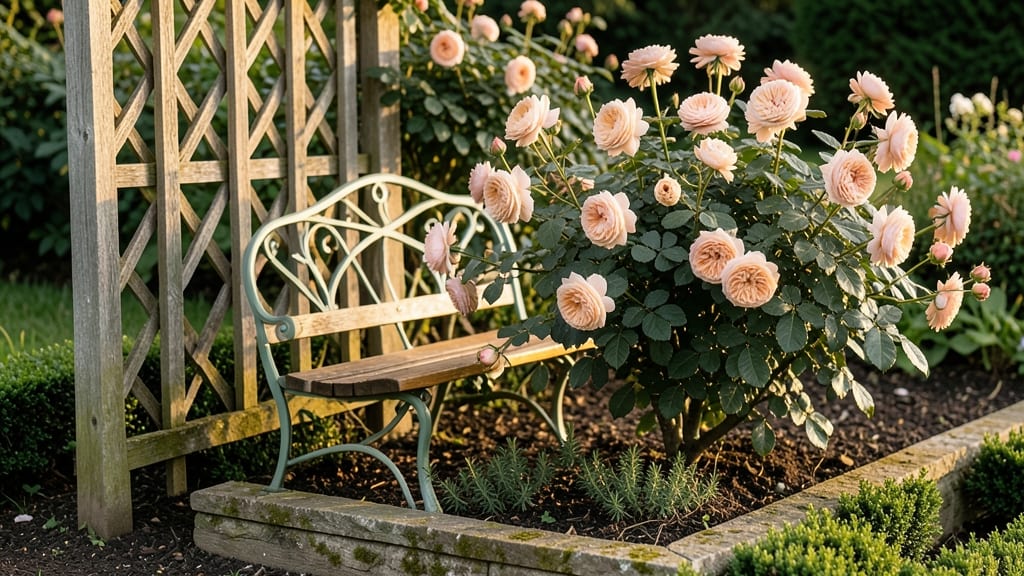
English garden landscaping transforms any yard into a romantic, layered escape where every season reveals new surprises. 🌿 I fell in love with this style after visiting a cottage garden in the English countryside, where roses climbed over stone walls and lavender swayed in soft waves along winding paths.
The secret lies in mixing old-world charm with practical, low-maintenance techniques that make it achievable for any backyard.
This approach blends cottage-style informality with structured herbaceous borders—think peonies, delphiniums, and foxgloves tumbling over gravel paths. Topiary adds vertical interest, while water features (even a simple birdbath) create focal points that draw the eye.
The key is layering plants by height and bloom time, so your garden never looks bare, even in winter when evergreens take center stage.
You'll end up with a garden that smells like a bouquet in summer, stays vibrant through fall's fiery hues, and provides cozy winter interest with berries and seed heads. The best part?
It doesn't require perfection—just a willingness to let plants mingle naturally and paths wander organically. We'll cover how to start small and build layers that evolve with your space.
Perfect for gardeners who love romantic, textured landscapes but want to avoid the high-maintenance reputation. Even small yards can pull off this look with the right plant choices and a few strategic hardscape elements. Let's create your own slice of English countryside magic!
📚 In This Guide
- What you need
- Instructions
- Tips and common mistakes
- Wrapping up and next steps
What you need
- ● Topsoil: 10–20 cubic yards (depending on garden size; opt for high-quality, organic-rich soil).
- ● Mulch: 2–3 cubic yards (cedar or bark mulch for a classic look).
- ● Gravel or Pebbles: 1–2 cubic yards (for pathways or borders; choose smooth river stones or crushed granite).
- ● Perennials & Shrubs: 5–10 Hydrangeas (for lush foliage and seasonal blooms).
- ● 3–5 Roses (climbing or shrub varieties like David Austin roses).
- ● 10–15 Lavender or Salvia (for texture and fragrance).
- ● Seasonal bulbs (tulips, daffodils, crocuses) for spring color.
- ● Ornamental Grasses: 3–5 varieties (e.g., Fountain Grass or Miscanthus for movement and height).
- ● Trellises/Arbors: 2–4 wooden or metal structures (for climbing roses or vines).
- ● Garden Seating: 1–2 benches or chairs (wrought iron or weathered wood for authenticity).
- ● Basic Tools: Shovel, spade, pruners, trowel, rake, and garden fork.
- ● Measuring Tools: Tape measure, string line, and stakes for layout.
- ○ Optional (But Helpful): Wheelbarrow (for hauling soil/mulch).
- ● Hose with adjustable nozzle (for watering).
- ● Soil pH tester (to ensure optimal plant health).
- ● Edging tool (for clean borders).
- ● Site Assessment: Check sunlight (full sun to partial shade) and soil drainage before planting.
- ● Permits: Verify local regulations for structures (e.g., arbors, fences) or water features.
- ● Seasonal Planning: Start with perennials in early spring/fall; add bulbs in autumn.
- ● 💡 Pro Tip: Layer plants by height—tall grasses/trees at the back, mid-height shrubs, and low-growing flowers in front.
- ● 🌡️ Climate Considerations: Choose drought-resistant plants (e.g., Russian Sage) if your area has dry spells.
Instructions for creating an English garden landscaping design
Let’s layer your garden with the signature romance of English gardens—where structure meets wild beauty.
🌿 Step 1: Define Your Garden’s Core Structure
Start by sketching your garden’s layout on paper, marking permanent features like paths, arbors, or trellises. English gardens thrive on asymmetrical balance, so cluster plants in odd-numbered groupings (threes or fives) around focal points like a stone bench or ornamental tree. Use a measuring tape to ensure pathways are wide enough for comfortable strolling—typically 3-4 feet for single-file access.
I like to place the tallest plants (like ornamental grasses or small trees) at the back or center of borders, gradually stepping down to mid-height shrubs and finally low-growing perennials at the front. This creates depth and draws the eye through the space. For a true English feel, incorporate at least one curved path—even a simple 3-foot-wide gravel path adds that signature charm.
🪴 Step 2: Layer Plants by Season and Height
English gardens dazzle year-round, so plan for spring blooms (like tulips or daffodils), summer color (such as roses or lavender), and autumn/winter interest (think ornamental kale or evergreen shrubs). Divide your garden into three distinct layers: the backdrop (tall shrubs or trees), the mid-tier (perennials and sub-shrubs), and the foreground (bulbs, ground covers, and annuals).
For example, place hydrangeas or peony bushes in the mid-tier, where they’ll anchor the space without overwhelming smaller plants. In the foreground, mix spring bulbs like crocuses with evergreen creeping thyme for year-round texture. I always include at least one fragrant plant (like roses or jasmine)—English gardens are as much about scent as sight.
☀️ Step 3: Incorporate Natural Materials and Textures
Gather garden stones, wooden trellises, and wrought-iron accents to add rustic elegance. Scatter flat stones along pathways or use them to edge flower beds—this creates a soft, organic look that’s quintessentially English. For seating, opt for stone benches or wrought-iron chairs tucked into shaded corners. Even a simple wooden arbor draped with clematis or roses instantly elevates the space.
Don’t overlook textural contrast—pair smooth hostas with spiky ferns, or mix velvety lamb’s ear with feathery ornamental grasses. Add mulch (like wood chips or gravel) to suppress weeds and keep beds neat, but leave some areas slightly wild with native grasses or wildflowers for a naturalistic touch.
✂️ Step 4: Maintain the Garden’s Signature Look
English gardens require regular (but gentle) pruning—deadhead spent blooms to encourage more flowers, and trim back overgrown perennials in early spring before new growth appears. For roses, prune in late winter to shape the plant and remove dead wood, but avoid heavy pruning in autumn, which can stress the plant. Use sharp pruners to make clean cuts just above a leaf node.
Keep pathways clear of debris and refresh mulch annually to maintain a tidy, inviting look. I also like to rotate seasonal plants—swap out summer annuals for pansies or heather in autumn to keep color vibrant. Water deeply but infrequently (about 1 inch per week), focusing on the root zone rather than overhead spraying, which can encourage fungal diseases.
💧 Step 5: Add Water Features for Serenity
No English garden is complete without the sound of water—even a small pond or bubbling stone fountain adds tranquility. If space is limited, a wall-mounted water feature or birdbath works beautifully. Place it near seating areas so you can enjoy the soothing sounds. For a natural look, use flat stones to edge the water feature and surround it with moss or hostas for a lush, organic feel.
Keep water features clean and clear by removing debris weekly and adding a few aquatic plants (like water lilies or pondweed) to keep the ecosystem balanced. The gentle movement of water also deters mosquitoes, making your garden a peaceful retreat. Even a simple birdbath with a solar-powered fountain adds that English garden magic.
Tips & tricks for perfect English garden landscaping
Creating an authentic English garden goes beyond just planting flowers—it's about crafting a living tapestry that tells a story through every season. Here are the insights I've gathered from years of designing and maintaining these timeless spaces.
Pathway Precision: When laying out your 3-4 foot pathways in Step 1, consider adding subtle curves to guide the eye naturally. The classic English garden path isn't just functional—it should feel like an invitation to wander. I recommend using 3-foot-wide gravel paths for a rustic look that complements the organic shapes of the garden. Mark your path layout with spray paint before digging to visualize the flow and make adjustments before committing. This prevents the common mistake of creating paths that feel too rigid or disconnected from the planting areas.
Seasonal Layering Strategy: In Step 2, think beyond just planting for summer color. Create a "seasonal calendar" for your garden by grouping plants that bloom at different times. For example, plant ornamental kale and evergreen shrubs in the backdrop layer to provide winter interest while your spring bulbs like crocuses are still dormant. I like to include at least three seasonal "anchors" in each layer—one for spring, one for summer, and one for autumn—to ensure continuous visual appeal. This approach transforms your garden from a seasonal highlight into a year-round sanctuary.
Material Selection: The natural materials you choose in Step 3 can make or break that quintessential English look. For pathways, select flat stones with irregular edges rather than perfectly cut pavers—they should look like they've been there for decades. When choosing wooden trellises or arbors, opt for untreated cedar or redwood that will weather beautifully over time. The key is to select materials that age gracefully rather than trying to maintain a pristine, new appearance. This creates that lived-in, romantic charm that defines English gardens.
Pruning with Purpose: The maintenance tips in Step 4 are where many gardeners stumble. Remember that English gardens embrace a slightly "wild" look—don't be afraid to leave some stems or seed heads for winter interest. When pruning roses in late winter, make your cuts just above an outward-facing bud to encourage new growth that will fill out the plant. For hydrangeas, prune right after flowering to maintain their natural shape. I've found that using sharp pruners and making clean cuts prevents disease and promotes healthier regrowth—it's worth investing in quality tools for this step.
Pro Tips for English Garden Landscaping
- Creating an authentic English garden goes beyond just planting flowers—it's about crafting a living tapestry that tells a story through every season.
- Pathway Precision: When laying out your 3-4 foot pathways in Step 1, consider adding subtle curves to guide the eye naturally.
- Seasonal Layering Strategy: In Step 2, think beyond just planting for summer color.
Frequently asked questions
Got questions about creating your own slice of English garden paradise? Here are some of the most common ones—and their answers—to help you get started with confidence!
What’s the best time of year to start an English garden?
The ideal time is early spring (March–April) or fall (September–October). Spring lets you plant perennials and shrubs before summer heat, while fall gives roots time to establish before winter. For annuals, wait until after the last frost for warmer climates or late spring for cooler ones.
Are English gardens expensive to maintain?
Not necessarily! While classic English gardens use ornamental grasses, roses, and flowering perennials, you can start small with budget-friendly options like lavender, daisies, and native plants. Prioritize mulching and seasonal pruning to cut costs. DIY pathways (gravel or stepping stones) also save money compared to paved walkways.
How do I keep my English garden looking lush all year?
Layer plants with different bloom times (spring bulbs, summer perennials, fall mums, winter hellebores) and add evergreens (boxwood, holly) for structure. Deadheading spent blooms and seasonal mulching (3–4 inches) retain moisture. Don’t forget seasonal interest—think berries, seed heads, or fragrant foliage like sage.
What’s the easiest way to fix a messy or overgrown English garden?
Start with a clean slate: prune back overgrown shrubs, remove weeds, and edit plants that no longer thrive. Replace crowded perennials with low-maintenance varieties (e.g., coneflowers, black-eyed Susans). Add hardscaping (trellises, arbors) to define spaces. Break tasks into small weekly sessions to avoid burnout.
Can I create an English garden in a small space or urban yard?
Opt for vertical gardens (climbing roses, clematis), container gardening (window boxes, hanging baskets), and miniature varieties (dwarf roses, compact lavender). Use mirrors or light colors to create an illusion of space. Even a balcony or patio can host a charming English-inspired vignette with potted herbs and flowers.
Wrapping up and next steps
Transforming your space into an English garden is all about embracing nature’s beauty with intention—layering textures, colors, and seasonal blooms to create a serene, inviting retreat. From selecting the right perennials and shrubs to incorporating rustic hardscapes, every detail contributes to that timeless charm. 🌸
Now that you’re inspired and equipped with the essentials, take the first step: sketch a simple layout or start small with a single garden bed. Even a modest beginning can bloom into something extraordinary with patience and care. Happy gardening!