
Tools
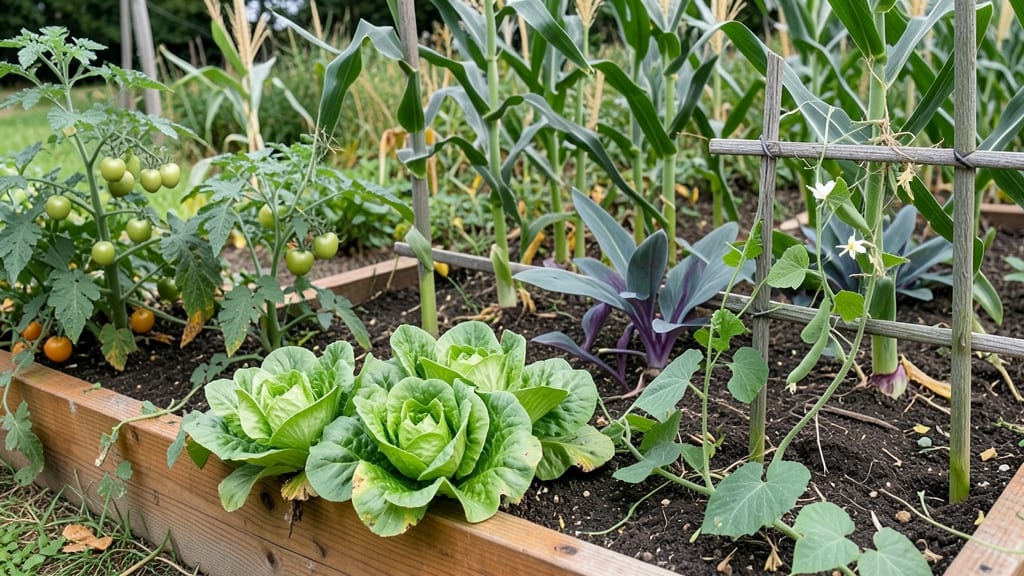
Finding a community garden in Cincinnati starts with seeing what’s already thriving in your neighborhood—because these green spaces turn empty lots into places where fresh tomatoes and shared stories grow side by side. 🌱 The city’s gardens are as diverse as its neighborhoods, from urban patches in Over-the-Rhine to sprawling plots in the suburbs, each offering a chance to grow food, meet neighbors, and learn from experienced gardeners.
Most Cincinnati gardens welcome beginners with open arms, offering tools, starter plants, and even workshops on everything from composting to pest control. The real magic happens when you show up—whether it’s hauling a wheelbarrow of soil or swapping zucchini with fellow plot holders.
Ohio’s climate means planning for short growing seasons and unpredictable springs, but community gardens make it easier with shared knowledge and collective problem-solving.
You’ll leave with more than just a harvest: a network of people who’ll help you troubleshoot blight on your peppers or celebrate when your first basil leaves appear. These gardens also stretch your dollar—imagine putting homegrown greens on your table instead of store-bought.
Plus, they’re perfect for testing new crops or trying your hand at square-foot gardening without the commitment of a backyard plot.
Ready to dig in? Start by checking out the Cincinnati Parks’ community garden list or joining local Facebook groups where plot openings are posted year-round.
Even if you’re not sure about long-term commitment, volunteering for a season is the fastest way to see why these gardens are the heart of the city’s green movement.
📚 In This Guide
- What you need
- Instructions
- Tips and common mistakes
- Wrapping up and next steps
What you need
- ● Soil & Compost: Topsoil (4–6 cubic yards per 100 sq. ft.)
- ● Compost or organic matter (2–3 cubic yards per 100 sq. ft.)
- ● Mulch (straw, wood chips, or shredded leaves, 2–3 bags per 10 ft. row)
- ● Planting Supplies: Seeds or seedlings (native to Cincinnati’s climate: tomatoes, peppers, kale, etc.)
- ● Plant markers or stakes (biodegradable preferred)
- ● Garden twine (for trellises, 50–100 ft. roll)
- ● Tools: Shovels & spades (2–3 heavy-duty models)
- ● Rakes (leaf & bow rakes, 1 each)
- ● Garden hoes (2–3 for weeding)
- ● Pruners (bypass pruners, 1–2 pairs)
- ● Wheelbarrow (1 sturdy model for hauling)
- ● Watering cans or hoses with nozzles (2–3)
- ● Structure & Safety: Fencing or trellises (if needed for perimeter or climbing plants)
- ● Garden gloves (5–10 pairs, nitrile-coated for durability)
- ● Knee pads (2–3 for comfort)
- ● Enhancements: Rain barrels (1–2 for water conservation)
- ● Drip irrigation system (for larger plots)
- ● Benches or seating (for community gatherings)
- ● Tech & Tracking: Garden journal or app (to log plant progress)
- ● Soil pH test kit (to monitor nutrient levels)
- ● Community Goodies: Signage (yield signs, planting guides)
- ● Tool-sharing station (for shared use)
Step-by-Step design for a thriving community garden in Cincinnati
This layout maximizes Cincinnati’s climate—hot summers, cold winters, and rich soil—while keeping maintenance simple for volunteers.
🌱 Step 1: Plan Zones Based on Sunlight and Seasonal Needs
Start by mapping your space using Cincinnati’s sunlight patterns. The city’s full sun areas (6+ hours daily) work best for tomatoes, peppers, and squash, while partial shade (3-6 hours) suits greens like kale and lettuce. I sketch a rough grid on graph paper, marking north, south, east, and west exposures—this prevents planting sun-lovers where they’ll struggle.
Divide your garden into four quadrants: one for spring crops (peas, spinach), one for summer staples (beans, cucumbers), one for fall harvests (carrots, radishes), and one for winter hardy greens (kale, Swiss chard). Cincinnati’s first frost usually hits by mid-October, so plan your fall crops to mature before then.
🪴 Step 2: Build Raised Beds for Improved Drainage and Accessibility
Construct 4 raised beds (4’ x 8’ each) using untreated cedar lumber—it resists rot and lasts years. Line the bottom with cardboard to suppress weeds, then fill with a mix of topsoil, compost, and perlite (3 parts soil, 1 part compost, 1 part perlite). This blend drains well while retaining moisture, which is critical in Cincinnati’s humid summers and freezing winters.
Space beds 3 feet apart for easy wheelchair access and volunteer movement. Add gravel pathways between them to keep soil from compacting under foot traffic. I always include a small tool shed near the center for pruners, gloves, and watering cans—this cuts down on back-and-forth trips and keeps supplies organized.
☀️ Step 3: Plant Perennials for Low-Maintenance Structure
Anchor your garden with perennial herbs and flowers that thrive in Cincinnati’s USDA Zone 6. Plant asparagus crowns (they take 2-3 years to establish but produce for decades), rhubarb, and strawberries along the bed edges. These plants return year after year, reducing spring planting work and providing early harvests.
Interplant companion flowers like marigolds (to deter pests) and basil (to improve tomato flavor) throughout the beds. I also add climbing roses along trellises at the bed ends—they bloom from early summer to frost and attract pollinators. Mulch heavily with straw to suppress weeds and retain moisture during Cincinnati’s hot, dry July days.
💧 Step 4: Install a Drip Irrigation System for Efficiency
Run ½-inch drip tubing along each bed, spacing emitters 12 inches apart. Connect to a rain barrel (collecting from your roof) to reduce water waste—Cincinnati averages 40 inches of rain annually, so this system captures free moisture. Set emitters to deliver ½ gallon per hour per plant, adjusting for container size.
Install a timer to water early morning (6-8 AM) for 20 minutes daily. This prevents fungal diseases that thrive in damp evening air. I always bury the tubing 2 inches deep and cover it with mulch to protect from UV damage and accidental digging. Test the system before planting by running it for 30 minutes—adjust emitters if any zones get soggy or dry.
✂️ Step 5: Schedule Seasonal Maintenance for Year-Round Productivity
Mark your calendar for four key maintenance windows:
- Early spring (March): Till beds, add compost, and plant cool-season crops like peas and lettuce.
- Late spring (May): Mulch heavily, prune perennials, and start summer crops after the last frost (typically mid-April).
- Mid-summer (July): Harvest frequently to encourage production, and watch for tomato hornworms—handpick them daily.
- Fall (October): Plant garlic and cover beds with straw mulch to insulate soil for winter.
I keep a shared garden notebook where volunteers log tasks, harvests, and pest sightings. This helps track what works (and what doesn’t) year to year. For example, if zucchini plants consistently wilt in August, next year we’ll plant them in the shadiest bed instead.
Tips & tricks for perfect community garden design in Cincinnati
Creating a thriving community garden in Cincinnati's unique climate takes strategic planning—here's how to maximize your urban oasis from day one.
Sunlight Mapping: I've found that using a simple garden compass app (like iGrow) to verify your sun exposure before sketching plans prevents costly mistakes. Cincinnati's summer sun moves dramatically between seasons—what's full sun in July might be partial shade in October. Mark your grid with colored pencils: yellow for full sun areas, blue for partial shade, and green for shaded spots. This visual system makes it instantly clear where to place each quadrant of crops.
Raised Bed Construction: When building your 4' x 8' cedar beds, leave a 2-inch gap between the lumber and the ground to prevent rot from Cincinnati's heavy spring rains. I reinforce the corners with galvanized screws (not nails) and add a second layer of cardboard at the bottom—this creates a natural weed barrier that lasts 2-3 years without replacement. For extra stability, especially in windy conditions, bury the bottom 6 inches of each corner post in the ground before assembling.
Perennial Planting Strategy: The asparagus crowns in Step 3 deserve special attention—plant them 12 inches apart and 6 inches deep, with the tips pointing upward. I've learned that adding a handful of wood ash to each hole (just before planting) gives them a phosphorus boost that speeds up establishment. For strawberries, use hanging baskets or vertical planters if space is limited—they'll still get full sun while keeping the bed edges clear for other crops.
Irrigation Testing: That 30-minute test run of your drip system before planting is non-negotiable. I've seen too many gardens fail because volunteers assumed "it looked right" meant it worked properly. After running the system, check for even moisture distribution by placing a white paper towel under each emitter—it should show consistent dampness without pooling. Adjust emitter flow rates based on plant type: leafy greens need more frequent, lighter watering than root crops.
Pro Tips for Community Garden Cincinnati
- Creating a thriving community garden in Cincinnati's unique climate takes strategic planning—here's how to maximize your urban oasis from day one.
- Sunlight Mapping: I've found that using a simple garden compass app (like iGrow) to verify your sun exposure before sketching plans prevents costly mistakes.
- Raised Bed Construction: When building your 4' x 8' cedar beds, leave a 2-inch gap between the lumber and the ground to prevent rot from Cincinnati's heavy spring rains.
Frequently asked questions
Got questions about joining or maintaining a community garden in Cincinnati? Here are answers to some of the most common inquiries—because growing together should be as smooth as your first harvest!
How do I find a community garden plot in Cincinnati?
Start by checking local listings on Grow Ohio or the City of Cincinnati’s Urban Agriculture page. Many gardens, like Madisonville Community Garden or Findlay Market’s Urban Farm, have waitlists—so reach out early! Some gardens offer first-come-first-served plots, while others prioritize residents.
When is the best time to plant in Cincinnati’s community gardens?
Cincinnati’s frost-free season runs roughly from mid-April to October, but timing varies by crop. Cool-season veggies (like lettuce or kale) thrive in early spring (March–April) or fall (September–October), while tomatoes, peppers, and cucumbers love late May–June. Check your garden’s soil temperature guidelines—most Cincinnati gardens provide planting calendars!
Are community garden plots in Cincinnati free, or do they cost money?
Costs vary! Some gardens charge $20–$100/year for plot fees (covering tools, water, or maintenance), while others are donation-based or free for low-income residents. Fees often include perks like seed libraries, workshops, or shared tools. Always ask about scholarships or work-trade options—many gardens accommodate budgets.
What should I do if my community garden plot isn’t producing well?
First, check the soil quality—Cincinnati’s clay-heavy soil may need compost or raised beds. Rotate crops yearly to prevent disease, and ensure proper watering (1–1.5 inches/week). Talk to veteran gardeners in your plot—they’re a goldmine for troubleshooting! If pests (like Japanese beetles) strike, try neem oil or companion planting (e.g., marigolds repel nematodes).
Can families or kids participate in Cincinnati community gardens?
Many gardens welcome all ages and offer youth programs, like Urban Farmers, which teach kids gardening basics. Safety first: wear gloves, hats, and sunscreen, and supervise young ones near tools. Some gardens even host “Kids’ Days” with fun activities—perfect for little green thumbs!
Are there alternatives if I can’t commit to a full plot?
No problem! Try shared plots (split costs/tools with neighbors), container gardening (herbs, microgreens, or strawberries thrive in pots), or volunteering at larger gardens like Purcell-Marette Community Farm. Some gardens also rent small “micro-plots” (4’x4’) for beginners. Even a windowsill herb garden counts—every bit helps!
Wrapping up and next steps
Community gardens in Cincinnati aren’t just green spaces—they’re vibrant hubs of connection, sustainability, and year-round harvests. Whether you’re a seasoned gardener or a curious beginner, these urban oases offer endless opportunities to grow food, build community, and reconnect with nature. 🌱
Ready to dig in? Start by visiting local gardens to find your fit, or join a workshop to learn hands-on techniques. Every seed planted today could nourish both your plate and your neighborhood tomorrow!