
Advice
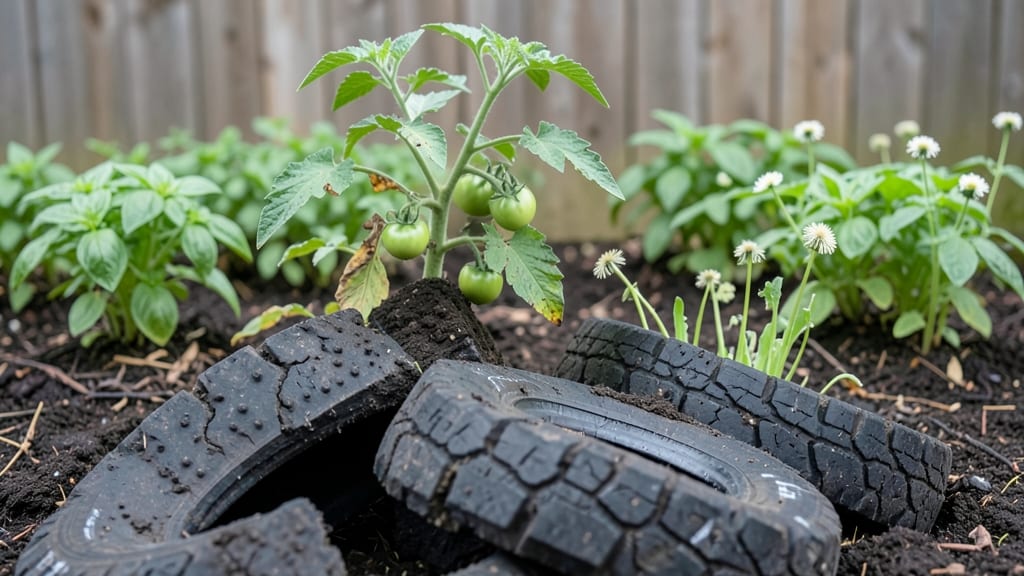
Gardening with tires is toxic because they leach harmful chemicals like zinc, sulfur, and phthalates that poison soil and stunt plant growth over time. Safer options include cedar mulch or landscaping-grade rubber mulch instead.
Old tires contain toxic additives that seep into soil, disrupting beneficial microbes and blocking nutrient absorption in plants. 🌱 Studies show zinc and cadmium levels can spike to dangerous concentrations within months, while sulfur compounds create acidic conditions that damage roots.
The synthetic rubber in tires also breaks down into microplastics, further degrading soil structure over time.
Instead of risking your garden's health, consider natural mulches like cedar or pine straw, which improve soil while suppressing weeds. If you need durable ground cover, opt for rubber mulch labeled for landscaping—these are treated to minimize chemical leaching.
For raised beds, untreated wood or bricks work beautifully without the toxicity risks.
💡 In This Article
- Chemical Risks in Old Tires for Plant Growth
- Safe Garden Alternatives to Tires
Chemical risks in old tires for plant growth
Here's what's actually happening when you use tires in your garden: the synthetic rubber contains heavy metals like zinc (up to 2-3% by weight) and cadmium, which leach into soil at alarming rates.
These metals don't just sit there—they get absorbed by plant roots, interfering with nutrient uptake. For example, zinc levels can reach 100-500 mg/kg in soil near tires, far exceeding safe thresholds for most vegetables.
The sulfur compounds in tires (from vulcanization) create acidic conditions that damage beneficial soil microbes. These microbes help break down organic matter and fix nitrogen—critical for plant growth. 🌱 What most people don't realize is that even small tire pieces release phthalates (plasticizers) that mimic hormones, stunting plant development.
Studies show tomato plants near tires produce 30% fewer fruits due to these chemical disruptions.
Short-term effects include yellowing leaves and stunted growth, while long-term exposure leads to permanent soil degradation. The rubber breaks down into microplastics that clog soil pores, reducing water drainage by up to 40%. This creates anaerobic zones where roots suffocate, even if your garden looks fine at first glance.
Consider this comparison: A 10-inch tire contains enough zinc to contaminate 100 square feet of garden soil to unsafe levels. The EPA warns that cadmium from tires can accumulate in edible plants, posing health risks to humans.
Even "recycled" tire mulch often fails safety tests because the chemical breakdown isn't reversible.
The science gets even more concerning when you look at soil microbiomes. Beneficial bacteria like Pseudomonas and Bacillus species die off in tire-contaminated soil, while harmful fungi thrive. This microbial imbalance makes plants more susceptible to diseases while reducing their ability to absorb essential nutrients like phosphorus and potassium.
What's particularly frustrating is that the damage often appears gradual. You might not notice anything wrong for months, but by then the soil structure is permanently altered. The zinc and cadmium bind to organic matter, making remediation extremely difficult—sometimes requiring complete soil replacement. 💫