
Advice
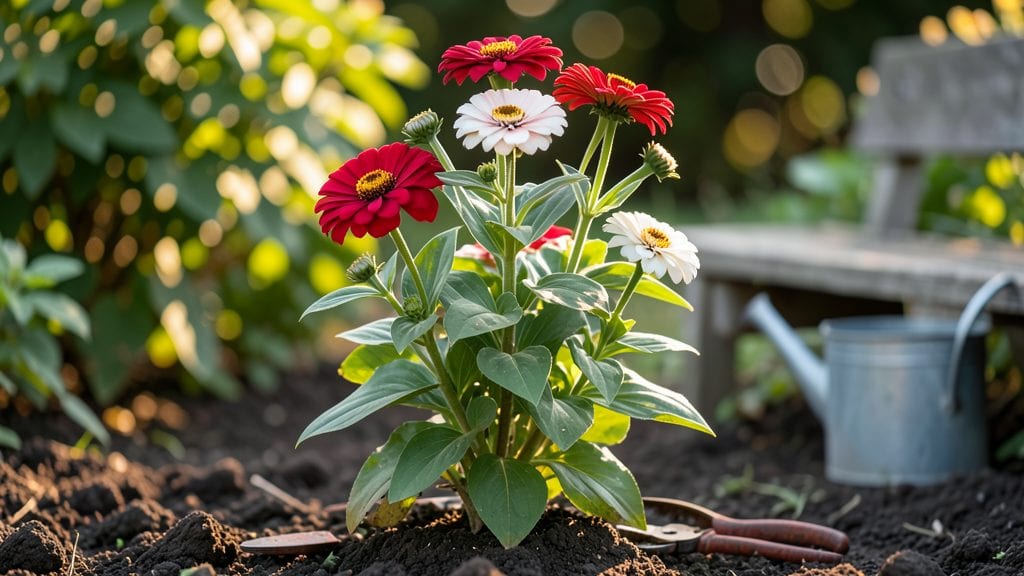
The best states for gardening offer ideal conditions for year-round growing, with California, Oregon, Washington, and Florida leading the way. Meanwhile, Texas, Georgia, and North Carolina shine with their diverse climates, each providing unique hardiness zones, soil quality, and regional advantages for different plants.
If you're looking for the perfect place to grow your dream garden, the right state can make all the difference. 🌱 Coastal regions like California and Florida provide extended growing seasons with warm winters, while inland states such as Texas and Georgia offer longer frost-free periods and rich, fertile soil.
What sets these states apart is their ability to support a wide variety of plants—from citrus and avocados in California to peaches and blueberries in Georgia.
Many gardeners also appreciate the regional agricultural programs and farmer markets that make it easier to source seeds, tools, and expert advice tailored to local conditions.
Each of these top states also benefits from unique microclimates—small areas with distinct weather patterns that can create ideal conditions for specific crops.
For example, the Pacific Northwest's mild summers and high rainfall make it a haven for organic farming, while Florida's subtropical climate allows for tropical plants that wouldn't survive elsewhere in the U.S. Whether you're a beginner or a seasoned gardener, choosing one of these states gives you a head start in creating a thriving, productive garden.
💡 In This Article
- How Climate Zones Define Gardening Success
- Top Gardening States by Region and Specialty Crops
How climate zones define gardening success
The USDA Plant Hardiness Zone Map divides the U.S. into 13 zones based on average annual minimum temperatures, with Zone 1 being coldest (-50°F) and Zone 13 warmest (70°F+).
This system helps gardeners select plants that can survive winter lows—like Zone 10's citrus trees versus Zone 5's hearty perennials. The key is matching a plant's cold tolerance to your zone's extremes, as even a 5°F difference can determine success or failure. 🌡️
Take California's Zones 7-11, where coastal areas (like San Diego) stay mild year-round, while inland valleys (like Central Valley) experience hotter summers and cooler nights—creating microclimates perfect for both avocados and grapes.
Florida's Zones 8-11 offer 270-365 frost-free days, ideal for tropicals like mangoes, while Texas's Zones 6-10 balance humidity and heat for vegetables like sweet potatoes.
Humidity also plays a role: Pacific Northwest states (Zones 6-9) thrive with 70-90% humidity, supporting lush gardens, while desert states (like Arizona) require drought-resistant plants.
Seasonal variations further refine plant choices. In Florida, gardeners enjoy two growing seasons (spring-fall), while Pacific Northwest states have cooler, wetter springs and milder summers, perfect for leafy greens. Texas's long, hot summers demand shade-tolerant crops, whereas Georgia's humid subtropical climate supports peaches and blueberries.
Microclimates add another layer: a south-facing slope can warm by 5-10°F compared to shaded areas, extending growing seasons for heat-loving plants like tomatoes.
Rainfall patterns also dictate success. California's Mediterranean climate (wet winters, dry summers) requires drought-resistant plants, while Florida's 60-80 inches annual rainfall supports tropicals but demands well-draining soil. Oregon's high precipitation (40-120 inches) makes it ideal for organic farming, whereas Arizona's 10-15 inches favors succulents.
These factors explain why California leads in citrus (Zones 9-11) and Oregon excels in berries (Zones 7-9).
For gardeners, understanding these zones means selecting plants that thrive in their region's extremes. A Zone 5 gardener can't grow bananas (Zone 10+), but a Zone 10 gardener risks frost damage to tropicals in winter.
The solution? Use microclimates—like greenhouses or windbreaks—to expand growing ranges. For example, a Zone 7 gardener in Texas can grow Zone 8 plants by planting near a brick wall that absorbs heat. 🌿
Beyond zones, soil quality varies dramatically. Florida's sandy soil needs organic amendments for vegetables, while California's clay loam suits grapes. Texas's blackland prairie soil is rich in nutrients, ideal for corn and cotton.
These regional advantages explain why certain states dominate specific crops: California for 80% of U.S. vegetables, Florida for 75% of winter vegetables, and Georgia for 40% of peaches. The takeaway? Research your state's zones, seasonal quirks, and soil types to unlock your garden's full potential.