
Companion Plants
Gardening tropical plants 🌴 is all about recreating their natural paradise—warmth, humidity, and bright light—right in your own space.
Imagine lush, vibrant tropical foliage thriving year-round without the fear of frost or seasonal dieback. The secret isn’t just luck; it’s about understanding their unique needs, from humidity levels to soil types, and creating the perfect microclimate.
If you’ve ever watched your tropical plants wilt in dry air or struggle with inconsistent watering, you know how frustrating it can be. The good news? With the right care, these sun-loving plants can flourish indoors or out, even in regions outside their native zones.
In this guide, I’ll walk you through everything you need to know—from soil prep to pest control—to keep your tropical plants happy and healthy, no matter where you live.
Essential tropical plant care requirements for year-round growth
Tropical plants crave a consistent, warm environment that mimics their native habitats. Without the right conditions, you’ll see leaf drop, yellowing foliage, or stunted growth—common signs your plant is stressed. The key is replicating their natural climate, whether you're growing them indoors or outdoors in USDA Zones 10-12.
Most tropical plants thrive in 70-80% humidity, 70-85°F temperatures, and well-draining, nutrient-rich soil. Even a slight dip in humidity or a cold draft can trigger problems.
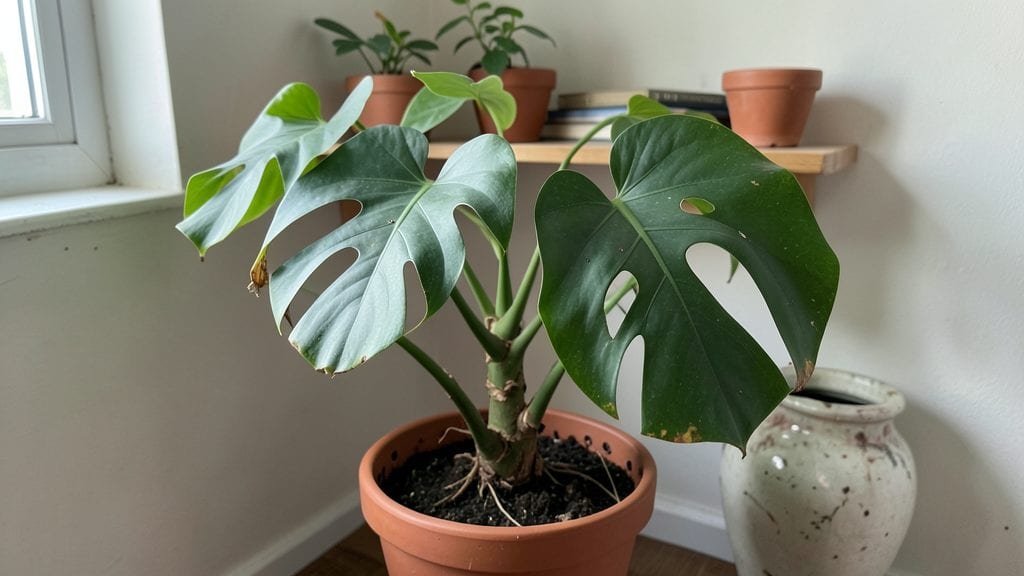
For example, my Monstera deliciosa (Swiss cheese plant) wilted dramatically when I placed it near an AC vent—a mistake I fixed by moving it to a humidifier-equipped corner.
Here’s a quick reference for the core care requirements that keep tropical plants lush and healthy year-round:
Let’s break down these requirements to prevent common tropical plant mistakes. First, humidity is non-negotiable. My Calathea orbifolia developed crispy leaf edges until I placed a humidifier nearby.
Aim for 70-80% humidity—use a hygrometer to monitor levels, especially in dry climates or during winter when indoor air gets parched.
Next, temperature swings are deadly. Most tropical plants wilt or drop leaves if exposed to temperatures below 60°F or sudden drafts. I learned this the hard way when my Bird of Paradise lost half its foliage after sitting near an open window during a cold snap.
Keep plants away from AC vents, heaters, and drafty doors.
Light requirements vary by species, but most tropical plants need bright, indirect light for 6+ hours daily. A south-facing window works for sun-lovers like Hibiscus, while Calathea and Philodendron prefer east-facing light to avoid leaf scorch. Rotate plants weekly to ensure even growth—uneven light causes lopsided, leggy plants.
For soil, tropical plants despise soggy roots. Use a peat-based mix with perlite or orchid bark to improve drainage. I repotted my Monstera into a well-aerated blend after noticing yellowing leaves—a classic sign of root rot. Always use pots with drainage holes and avoid overwatering.
Watering is an art: deep soaks followed by drying the top 1-2 inches of soil. Stick your finger in the soil—if it’s dry up to your first knuckle, it’s time to water.
Overwatering is the #1 killer of tropical plants, so never let them sit in waterlogged soil. Container plants dry out faster than in-ground ones, so check them daily in summer.
Finally, fertilizing keeps tropical plants thriving. Use a balanced fertilizer (6-6-6) every 4-6 weeks during spring and summer. I switch to a light feed in fall and skip winter fertilizing for outdoor plants—indoor plants can tolerate a monthly light dose.
Always flush the soil with water once a year to prevent salt buildup.
By mastering these five core requirements, your tropical plants will reward you with year-round lushness. Start with humidity and temperature, then fine-tune light, soil, and watering. Soon, you’ll have a thriving tropical oasis—even in non-tropical climates!
Top 7 low-maintenance tropical plants perfect for home gardens
Bringing the tropics home doesn't require a greenhouse or a vacation in Hawaii. With the right low-maintenance tropical plants, you can create a lush, vibrant oasis that thrives year-round. These seven varieties are perfect for beginners and busy gardeners alike, offering stunning foliage and minimal fuss.
Whether you're working with containers or garden beds, these plants adapt beautifully to indoor and outdoor spaces, as long as you meet their basic needs.
Most tropical plants share similar care requirements: bright, indirect light, consistent moisture, and moderate humidity. The key is choosing varieties that match your space and lifestyle.
For example, if you have a sunny patio, a Bird of Paradise will flourish, while a Calathea thrives in the dimmer corners of your living room. Let's explore the top seven tropical plants that deliver drama with ease.
- 1
Bird of Paradise (Strelitzia reginae)
Why it's perfect: Bold, exotic blooms and striking foliage make this a showstopper. Thrives in full sun to partial shade and tolerates drought-like conditions once established.
Care tip: Water deeply once a week, and fertilize monthly during spring and summer.
- 2
Calathea (Calathea spp.)
Why it's perfect: Known for its prayer-like leaves and vibrant patterns, Calathea thrives in low light and adds a touch of elegance to any room.
Care tip: Keep soil consistently moist and mist leaves daily to maintain humidity.
- 3
Fiddle Leaf Fig (Ficus lyrata)
Why it's perfect: With its large, violin-shaped leaves, this plant adds a touch of sophistication. It’s adaptable to medium to bright indirect light and grows well indoors.
Care tip: Water when the top inch of soil is dry, and avoid cold drafts.
- 4
Snake Plant (Sansevieria trifasciata)
Why it's perfect: Nearly indestructible, this plant tolerates low light and infrequent watering, making it ideal for forgetful gardeners.
Care tip: Water every 2-4 weeks, and place in a spot with moderate to bright light.
- 5
ZZ Plant (Zamioculcas zamiifolia)
Why it's perfect: This plant thrives in low light and neglect, making it perfect for offices or busy households. Its glossy, dark green leaves add a modern touch.
Care tip: Water every 3-4 weeks, and avoid overwatering.
- 6
Bromeliad (Bromeliaceae family)
Why it's perfect: With its colorful, long-lasting blooms, Bromeliads are stunning and low-maintenance. They prefer bright, indirect light and high humidity.
Care tip: Water by filling the central cup and misting leaves occasionally.
- 7
Cast Iron Plant (Aspidistra elatior)
Why it's perfect: True to its name, this plant survives in low light, dry air, and infrequent watering. Its dark green, arching leaves add texture to any space.
Care tip: Water every 2-3 weeks, and it thrives in shady corners.
Each of these tropical plants brings something unique to your garden or home, whether it's bold foliage, striking blooms, or effortless resilience. The Bird of Paradise and Bromeliad are perfect for adding a tropical vibe outdoors, while the Calathea and ZZ Plant shine indoors.
Don’t be afraid to mix and match based on your space and light conditions—your tropical garden will thank you!
For best results, group plants with similar needs together. For example, place