
Advice
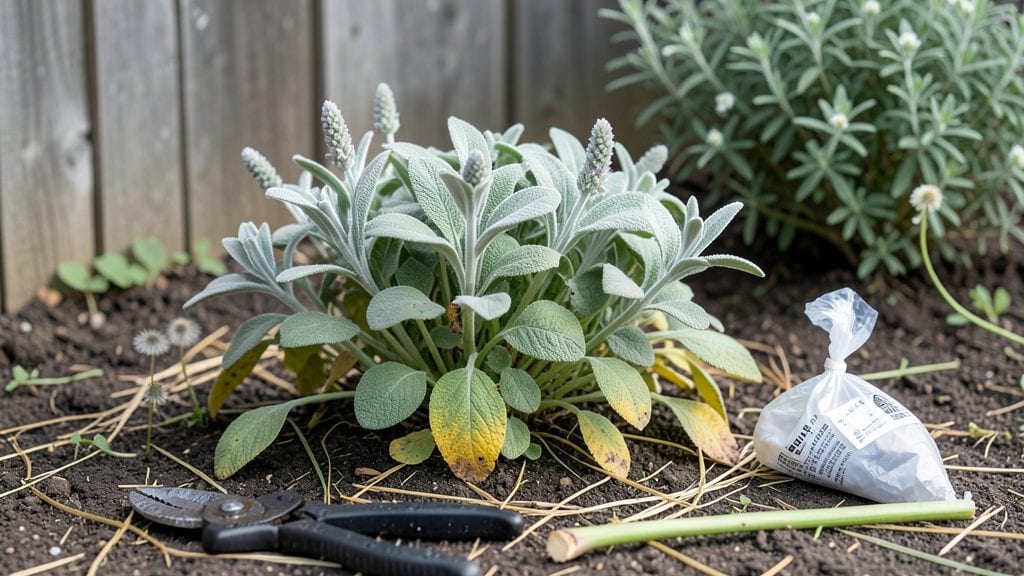
Gardening safety tips aren’t just about avoiding blisters or backaches—they’re about protecting what matters most: your hands, your health, and the season’s hard work. 🌱 I’ve spent years learning the hard way: from dropping a shovel on my foot to realizing too late that my gloves weren’t enough against thorny roses.
The right precautions turn gardening from a risk into a joyful, sustainable practice.
Start with the basics: gloves that fit (not too tight, not too loose), sharp tools kept sharp (dull tools require more force, increasing injury risk), and proper footwear (steel-toe boots for heavy work, sturdy shoes for everyday tasks).
For chemical use, always read labels—even "organic" pesticides can cause skin irritation if mishandled. And don’t skip sunscreen; sunburned skin is just as much a gardener’s hazard as a twisted ankle.
Ergonomics make all the difference. Use knee pads to avoid strain, wheelbarrows or carts for heavy loads, and adjustable-height beds if possible. For kids or pets, designate safe zones—some plants (like foxglove or lily of the valley) are deadly if ingested, and sharp tools should never be left unattended.
Small changes here prevent big regrets later.
Even the most experienced gardeners slip up—like forgetting to stretch before digging or ignoring early signs of heat exhaustion. Hydrate before you’re thirsty, take breaks in the shade, and listen to your body.
Safety isn’t about fear; it’s about preserving the joy of gardening for years to come. Let’s get started with the habits that keep you—and your garden—thriving.
Common causes of garden injuries
Understanding why gardening accidents happen is the first step to preventing them. Whether you're a seasoned green thumb or a weekend warrior, certain risks lurk beneath the surface of even the most idyllic garden plots.
Here’s a breakdown of the science and scenarios behind common gardening hazards—and how they turn harmless tasks into potential injuries.
Gardening tools are designed for efficiency, but their misuse leads to injuries like tendonitis, muscle strains, and repetitive stress injuries (RSI). The culprit? Poor ergonomics—tools that force awkward grips, heavy weights, or prolonged repetitive motions.
- Why it happens: - Tool weight distribution: A shovel’s balance point is often too far from the handle, forcing gardeners to overgrip to control it.
This creates excessive pressure on the wrist and forearm, leading to carpal tunnel syndrome over time. - Grip design flaws: Handles that are too thin or slippery (like wet wooden or metal tools) force fingers to clamp down harder, increasing strain on tendons. - Repetitive motions: Tasks like digging, pruning, or weeding involve thousands of micro-movements per hour.
Without breaks, small muscles in the hands and shoulders fatigue, causing microtears in connective tissue—the root of tendinitis.
- Actionable insight: Look for tools with ergonomic grips (e.g., padded, contoured, or shock-absorbing handles) and consider lightweight alternatives like titanium or aluminum. Rotate tasks every 15-20 minutes to avoid overuse.
Gardening in extreme heat, humidity, or cold turns a relaxing hobby into a physical endurance test. Heat-related illnesses (like heat exhaustion or heatstroke) and cold-induced injuries (such as frostbite or hypothermia) are often underestimated but can be deadly.
- Why it happens: - Heat stress: Your body cools itself through sweat evaporation. In high humidity, sweat lingers on the skin, reducing cooling efficiency.
Prolonged exposure to temperatures above 80°F (27°C) with high humidity can push your core temperature to dangerous levels (104°F/40°C or higher triggers heatstroke). - Dehydration: Losing even 1-2% of body water impairs cognitive function and motor skills, increasing the risk of slips, falls, or tool-related accidents. - Cold injuries: Temperatures below 32°F (0°C) cause blood vessels to constrict, reducing circulation.
Prolonged exposure can lead to frostbite in extremities (fingers, toes, ears) within 30-60 minutes, especially if skin is wet.
- Actionable insight: Monitor the heat index (not just temperature) and avoid outdoor work during peak heat (10 AM–4 PM). In cold weather, wear layers, insulated gloves, and moisture-wicking fabrics to prevent frostbite. Hydrate with electrolyte-rich drinks (not just water) to replace lost sodium.
Cuts, punctures, and lacerations are among the most common gardening injuries, often caused by blunt-force trauma from tools or poor cutting angles. Even "safe" tools like pruners or shears can become weapons when misused.
- Why it happens: - Tool dullness: A dull blade requires more force to cut, increasing the risk of slippage and deep punctures.
Studies show dull tools create 30% more resistance than sharp ones, leading to accidental jams. - Improper grip: Holding a knife or pruner with only the fingertips (instead of the palm) leaves fingers exposed to shear forces if the tool slips. - Obstructed cuts: Trying to force a blade through thick branches, rocks, or tangled roots can cause the tool to bind and kick back, sending it toward your hands or feet.
- Actionable insight: Always sharpen blades before use and store tools with protective caps or sheaths. Use the "pencil grip" (holding the tool like a pencil) for better control, and never reach over obstacles—step back and reposition.
Not all garden dangers are visible. Venomous creatures, toxic plants, and hidden debris can turn a routine task into a medical emergency without warning.
- Why it happens: - Venomous bites/stings: Snakes, spiders (e.g., black widows, brown recluses), and bees/wasps often hide in dense foliage or under rocks.
A black widow’s venom can cause muscle pain and cramping within 30 minutes of a bite, while bee stings in the throat can trigger anaphylaxis. - Toxic plants: Plants like poison ivy, oleander, or foxglove contain urushiol (poison ivy) or cardiac glycosides (foxglove), which cause severe skin rashes or heart arrhythmias if ingested or touched. - Uneven terrain: Hidden roots, holes, or buried debris (e.g., broken glass, nails) can cause trips, sprains, or punctures when stepping or kneeling.
- Actionable insight: Wear long sleeves, closed-toe shoes, and gloves when working in unfamiliar areas. Learn to identify toxic plants (e.g., "leaves of three, let it be" for poison ivy) and check for pests before grabbing tools.
Use a stick or tool to probe suspicious areas before reaching in.
Power tools, lawnmowers, and even manual equipment like wheelbarrows can become hazards when misused, overloaded, or poorly maintained.
- Why it happens: - Lawnmower injuries: 75% of lawnmower accidents involve the blade area, often due to clogged grass buildup or improper clearing.
The blade can throw debris at speeds up to 200 mph, causing lacerations or eye injuries. - Wheelbarrow tips: Overloading a wheelbarrow shifts its center of gravity, making it top-heavy and unstable.
A sudden shift (e.g., hitting a rock) can cause it to tip forward or sideways, crushing feet or hands. - Power tool kickback: Chainsaws and trimmers can suddenly reverse direction if the chain or blade binds, sending the tool toward the user’s body.
- Actionable insight: Never remove safety guards from power tools and clear debris from mower blades before starting**. Distribute weight evenly in wheelbarrows and use the foot brake to control movement.
For chainsaws, stand to the side of the cut (never behind the falling tree) and wear chainsaw-resistant pants and gloves.
Smart fixes for common garden hazards
Gardening is a rewarding hobby, but it also comes with risks—from blistered hands to unexpected wildlife encounters. The good news? Most hazards have simple, practical solutions. Below, we’ll map out cause-to-fix strategies, plus prevention tips to keep your green space safe and enjoyable.
Cause: Uneven tools, thorns, or sharp edges (like broken pots or rusty blades) can slice through skin in seconds.
Fix It: ✅ 🔪 Use the Right Tools – Dull tools cause slips; sharp ones demand precision. Invest in:
- Bypass pruners (clean cuts, less snagging)
- Gloves with reinforced palms (e.g., leather or Kevlar for roses/thistles)
- Shears with finger guards (for trimming hedges or perennials)
✅ 🧴 Clean Wounds Immediately – Wash with soap and water, then apply an antibiotic ointment (like Neosporin). Cover with a sterile bandage to prevent infection. For deep cuts, seek medical help.
✅ 🧹 Declutter Your Space – Remove broken glass, nails, or debris from garden beds. Store tools in a locked shed if kids or pets roam nearby.
Prevention Pro Tips: 💡 Sharpen blades regularly – A quick file or honing stone keeps tools safe. 🌡️ Wear long sleeves when handling spiky plants (e.g., holly, blackberry canes). ✨ Label hazardous areas – Mark spots with thorny bushes or uneven terrain with bright flags or stakes.
Cause: Prolonged sun exposure without protection leads to burns, dehydration, or even heat exhaustion.
Fix It: ✅ 🧴 Slather on SPF 30+ Sunscreen – Reapply every 2 hours (or after sweating). Focus on:
- Ears, neck, and hands (often missed!)
- Lips (use a balm with SPF)
✅ 👒 Gear Up for the Heat –
- Wide-brimmed hats (UPF-rated for extra protection)
- Lightweight, long-sleeve shirts (breathable fabrics like linen)
- UV-blocking sunglasses (polarized lenses reduce glare)
✅ 💧 Hydrate Like a Pro –
- Drink 8 oz of water every 20 minutes (even if you’re not thirsty).
- Electrolyte drinks (like coconut water) help with sodium loss.
- Avoid alcohol/caffeine before gardening—they dehydrate you faster.
Prevention Pro Tips: 💡 Work during "golden hours" – Early morning (before 10 AM) or late afternoon (after 4 PM) to avoid peak UV rays. 🌡️ Take breaks in the shade – Set a timer for 15–20 minutes of rest every hour. ✨ Use a cooling towel – Dampen it and drape it around your neck for instant relief.
Cause: Bees, wasps, ants, and mosquitoes thrive in gardens, especially near water or flowers.
Fix It: ✅ 🛡️ Wear Protective Clothing –
- Long pants tucked into socks (prevents ticks from crawling up).
- Light-colored, tightly woven fabrics (less attractive to mosquitoes).
✅ 🌿 Use Natural Repellents –
- Citronella, eucalyptus, or lavender oils (spray on skin or clothes).
- Plant repellent herbs – Basil, mint, and marigolds deter pests.
✅ 🚑 Treat Bites Fast –
- Wash the area with soap and water.
- Apply ice (for 10 minutes) to reduce swelling.
- Hydrocortisone cream or calamine lotion soothes itching.
- For stings: Scrape out the stinger (don’t squeeze!) and apply a baking soda paste to neutralize venom.
Prevention Pro Tips: 💡 Avoid bright colors/perfumes – They attract bees and wasps. 🎯 Check for nests before pruning – Shake bushes gently to spot hidden hives. ✨ Keep trash cans sealed – Food scraps lure ants and rodents.
Cause: Snakes, raccoons, or even stray dogs may wander into your garden, posing risks to humans and animals.
Fix It: ✅ 🏡 Secure Your Space –
- Install motion-sensor lights near entry points.
- Use fencing (at least 3 feet high) to block animals.
- Remove food sources (compost piles, pet bowls, fallen fruit).
✅ 🐕 Supervise Pets and Children –
- Teach kids to never touch unfamiliar animals.
- Keep pets on leashes in the garden.
- Train dogs to avoid chasing wildlife (use positive reinforcement).
✅ 🐍 Snake-Proof Your Yard –
- Clear brush and tall grass (snakes hide in dense areas).
- Use snake-proof fencing (buried 6–12 inches deep).
- Install snake repellents (like predator urine granules—effective but smelly!).
Prevention Pro Tips: 💡 Create a "wildlife buffer" – Plant native flowers to lure animals away from your home. 🔥 Never approach or feed wild animals—even "friendly" ones can bite. ✨ Keep a first-aid kit handy – Include tweezers (for splinters/ticks) and antivenom info for local snakes.
The best solutions combine immediate action with smart habits. Start with one or two fixes today—like sharpening your tools or wearing sunscreen—and gradually layer in prevention. Your garden (and your skin) will thank you!
Quick Checklist for Safe Gardening:
- [ ] Tools are sharp and stored properly.
- [ ] Sun protection is SPF-rated and reapplied.
- [ ] Gloves fit well and cover vulnerable areas.
- [ ] Wildlife hazards are minimized.
- [ ] First-aid supplies are within reach.
Frequently asked questions
What are the most common gardening injuries to watch for?
Cuts from tools, muscle strains from repetitive motions, and sunburn are the top three. Blisters from poor-fitting gloves and sprains from uneven terrain also rank high. Always keep a first-aid kit nearby—especially when working with sharp objects or in extreme weather.
How do I choose the right gloves for gardening?
Look for breathable, durable materials like cotton-lined leather for roses or thorny plants, and nitrile-coated gloves for handling pesticides. Fit matters too—gloves should grip tools securely without restricting movement. Test them for 30 minutes before committing to a full-day wear.
Are there safe ways to handle pesticides without harming myself?
Always wear long sleeves, gloves, and a mask rated for chemical use. Apply pesticides on calm days to avoid drift, and never mix different chemicals—some combinations create toxic fumes. Store containers in a locked shed away from children and pets, and wash hands thoroughly after use.
What should I do if I get bitten by a snake or stung by a bee?
For snake bites: Stay calm, immobilize the limb, and call 911 immediately. For bee stings: Scrape out the stinger (don’t squeeze it), wash the area, and apply ice to reduce swelling. If you experience difficulty breathing or dizziness, seek emergency care—these could be signs of an allergic reaction.
How can I make my garden safer for kids and pets?
Designate a \"no-go zone\" for tools and chemicals, and use childproof fencing around ponds or steep slopes. Avoid planting toxic species like foxglove or lily of the valley, and supervise pets near compost piles (they can attract wildlife). Teach kids the \"leaves of three, let it be\" rule for poison ivy.