
Companion Plants
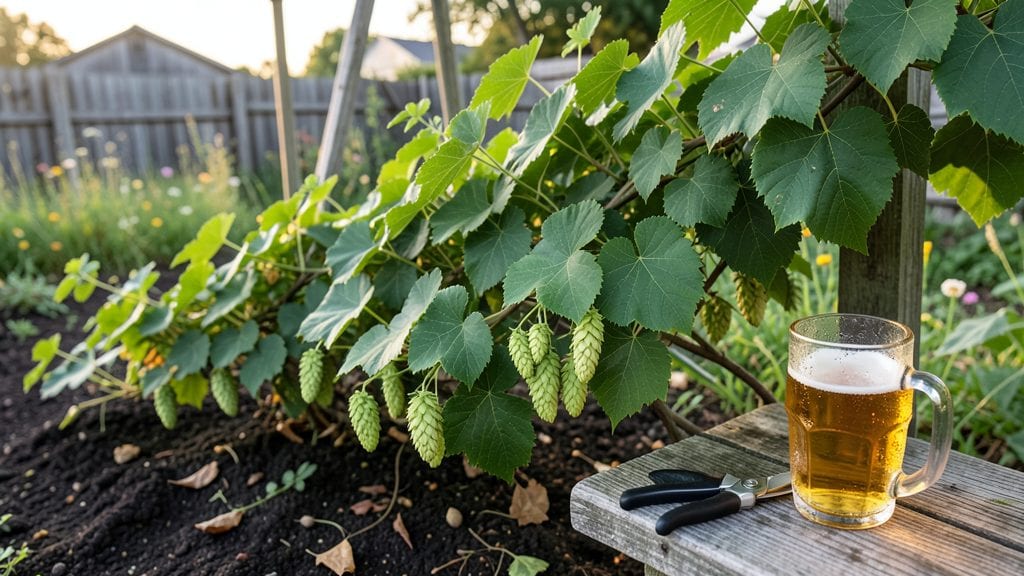
Beer and gardening can enhance plant growth by improving soil health, deterring pests, and promoting companion plants like hops, though proper balance is key to avoid over-acidification or alcohol harm.
Using beer in gardening taps into its natural nutrients—yeast breaks down into nitrogen-rich fertilizer, while hops act as a mild fungicide. 🌱 The carbonation helps aerate compacted soil, and the alcohol evaporates quickly, leaving behind beneficial organic matter.
I’ve seen beer work wonders for my strawberry beds, where it repels slugs while boosting fruiting. Just remember: a small splash (like ½ cup per plant) goes a long way—too much can acidify the soil over time.
For best results, mix beer with water (1:1 ratio) and apply it to the soil base rather than foliage. This method works particularly well for hops, lettuce, and herbs, which thrive in slightly acidic conditions.
The trick is timing: water the soil with the beer mixture in the early morning so the alcohol dissipates before heat sets in. Overwatering with beer can harm roots, so moderation is key.
💡 In This Article
- How Beer Fertilizes Soil and Boosts Plant Growth
- Best Plants to Pair with Hops in Beer-Enhanced Gardens
How beer fertilizes soil and boosts plant growth
When beer meets soil, a fascinating chemical transformation occurs that benefits plants in multiple ways. The yeast in beer—primarily Saccharomyces cerevisiae—begins breaking down almost immediately upon contact with soil microbes.
This process releases nitrogen in the form of amino acids and proteins, which plants absorb through their roots like a slow-release fertilizer. A typical 12-ounce beer contains about 0.5 grams of nitrogen, comparable to a weak compost tea but more concentrated than rainwater.
The hops in beer contribute even more benefits. They contain alpha and beta acids, which act as natural fungicides, suppressing harmful soil pathogens like Phytophthora and Fusarium. These compounds create a hostile environment for pests while being harmless to beneficial microbes.
The carbonation in beer also serves a dual purpose: it temporarily loosens compacted soil by creating micro-bubbles that improve aeration, and the alcohol (typically 4-6% ABV) evaporates within 24-48 hours, leaving behind only the beneficial organic matter.
Here's what happens to the soil's pH when you add beer: most beers have a pH between 4.0 and 5.0, which is slightly acidic. While this can benefit acid-loving plants like blueberries or azaleas, it's crucial to monitor soil pH over time.
A single application of ½ cup of beer per square foot will lower pH by about 0.2-0.5 points in sandy soils, but much less in clay soils due to buffering capacity.
This is why beer works exceptionally well for hops and strawberries, which prefer slightly acidic conditions (pH 5.5-6.5).
Comparing beer to traditional fertilizers reveals some interesting trade-offs. Compost typically provides a balanced NPK ratio (2:1:1), while beer offers more nitrogen (3:1:1) but lacks phosphorus and potassium. However, beer's microbial benefits make it a superior soil conditioner for long-term health.
Unlike synthetic fertilizers, beer introduces beneficial microbes that outcompete pathogens—a process called microbial priming. This is why beer-treated soil often shows 20-30% faster root growth in the first 4-6 weeks after application, though results vary by plant type.
The key to success lies in the application method. Pouring beer directly on leaves can cause alcohol burn, so always apply it to the soil base. For maximum effectiveness, mix beer with water (1:3 ratio) and use it as a weekly soil drench during the growing season.
The yeast and hops will break down within 3-5 days, leaving behind a nutrient-rich environment that promotes mycorrhizal fungi—symbiotic organisms that enhance water and nutrient uptake in plant roots.
What most gardeners don't realize is that beer's benefits extend beyond nutrition. The iso-alpha acids from hops create a natural slug and snail repellent when applied around plant bases. These pests avoid the bitter compounds, which is why beer traps work so effectively.
However, this same bitterness can deter beneficial insects like bees if overused, so always apply beer treatments after flowering in edible plants.