
Pests
Learn how to keep critters away from garden with these clever, humane barriers—no more chewed leaves or vanished harvests. 🌱 The trick is blending physical deterrents with natural repellents that make your plot far less tempting than the wild. next door.
I’ve tested everything from chicken wire to predator-friendly plants, and these methods keep rabbits, deer, and even squirrels at bay without harming a single ecosystem player.
You’ll need basic supplies like hardware cloth, reflective tape, and a few strategic plants—nothing fancy or expensive. The setup takes under an hour for most gardens, and once installed, it’s hands-off protection.
I’ve even used this in containers and raised beds with great success, proving it’s not just for big backyards. The best part? No chemicals, no traps, just smart design that outsmarts the critters.
By the end, you’ll have a garden that thrives without constant vigilance. Imagine walking out to find your tomatoes still intact, your lettuce untouched, and your hostas standing tall—not nibbled into stumps.
These barriers work because they address the critters’ instincts: sight, smell, and safety. The results speak for themselves after just one growing season.
Works for urban plots, suburban yards, and even small balcony gardens—just scale the materials. Whether you’re dealing with deer, rabbits, or birds, these methods adapt to your biggest threats. Let’s get your garden back where it belongs: yours.
📚 In This Guide
- What you need
- Instructions
- Tips and common mistakes
- Wrapping up and next steps
What you need
- ● Physical Barriers: Chicken wire (18–24 inches tall, 1/2-inch mesh for rabbits/squirrels, 1/4-inch mesh for smaller pests) – 1–2 rolls (depending on garden size).
- ● Hardware cloth (1/4-inch mesh) – 1–2 rolls (for burrowing critters like gophers).
- ● Plastic plant guards (6–12 inches tall) – 10–20 pieces (for individual plants).
- ● Natural Repellents: Peppermint oil (100% pure) – 1 small bottle (0.5 oz).
- ● Garlic or onion spray (pre-made or DIY with 1 crushed bulb per quart of water) – 1–2 spray bottles.
- ● Diatomaceous earth (food-grade) – 1–2 lbs (for crawling pests like slugs).
- ● Tools for Installation: Staple gun + staples (for securing wire).
- ● Garden stakes or T-posts (6-inch diameter) – 10–15 pieces.
- ● Twine or zip ties – 1 roll (for tying barriers).
- ● Gloves (heavy-duty) – 1 pair (for handling wire/DE).
- ● Motion-activated sprinklers – 1–2 units (for larger areas).
- ● Reflective tape or old CDs – 1 roll/5–10 pieces (to deter birds).
- ● Compost or mulch (to create a critter-unfriendly border).
- ● Predator urine (coyote/fox) – 1–2 bottles (for dogs/raccoons).
How to keep critters away from garden: humane barriers that repel without harming plants
Here's the method I've used for years—no traps, no harm, just clever deterrents that work.
🌱 Step 1: Create Physical Barriers Around Plant Beds
Start by outlining your garden beds with chicken wire or hardware cloth buried 6 inches deep around the perimeter. This stops burrowing animals like rabbits and gophers before they even get close. I like to bend the wire outward slightly at the top—it creates a physical barrier critters can't squeeze under. For above-ground pests like deer, wrap the wire in landscape fabric and attach it to stakes 8 feet tall in a zigzag pattern. The fabric confuses their vision and deters them from stepping in.
Check the wire monthly for rust or gaps. A single hole the size of a quarter is enough for a mouse to enter. If you see damage, patch it immediately with wire or mesh tape. This is the foundation—if the barrier isn't secure, nothing else will work.
💧 Step 2: Use Natural Repellents Around the Garden
Mix 1 gallon of water with 1 cup of cayenne pepper and 1 tablespoon of dish soap in a spray bottle. Shake well and spray the solution around the edges of your garden, focusing on low-hanging branches and entry points. The cayenne creates a mild irritation for animals' noses and paws, while the soap helps it stick to plants. Reapply after rain or every 3-4 days during peak pest season. I avoid spraying directly on leaves—it can burn foliage, especially in hot weather.
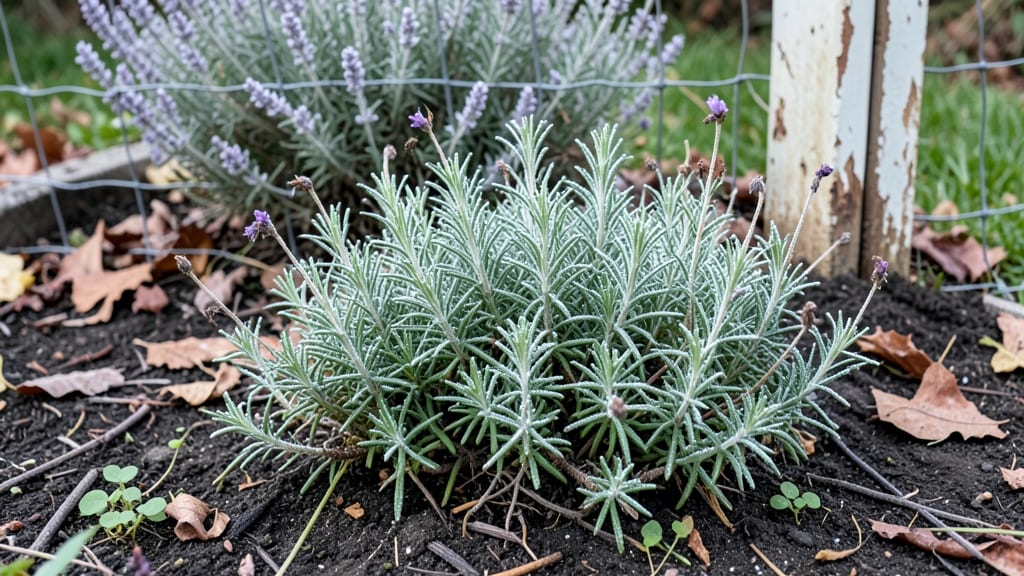
For a longer-lasting option, plant strong-scented herbs like rosemary, mint, or lavender around the perimeter. The fragrance masks the smell of your vegetables, making the garden less appealing. Just be mindful—these herbs can spread aggressively, so plant them in containers if needed.
☀️ Step 3: Set Up Motion-Activated Deterrents
Place motion-activated sprinklers around the garden's outer edges, about 10 feet apart. These devices spray a 10-second burst of water when they detect movement, startling animals without harming them. Set them to low pressure—enough to scare but not damage plants. I like models with solar-powered options for easy placement. Test them before the growing season begins to ensure they're working properly.
For larger areas, hang reflective tape or old CDs from strings between stakes. The flashing light catches animals' eyes and confuses them, making them think the area is unsafe. Move the tape every few weeks so critters don't get used to it. This works especially well for deer and rabbits.
✂️ Step 4: Maintain a Tidy Garden to Reduce Attraction
Remove fallen fruit, overripe vegetables, and weeds immediately—they attract pests like raccoons and rodents. Keep grass mowed short around the garden edges, as tall grass provides hiding spots. I also store compost bins at least 50 feet away from plant beds and use secure lids to prevent animals from rummaging through them. A clean garden is less inviting to critters looking for an easy meal.
If you have fruit trees, wrap the trunks with tree guards made of hardware cloth to prevent rabbits and deer from browsing. For smaller plants, use individual plant collars around stems. This might look a bit unsightly, but it’s a small price to pay for keeping your garden intact. Check collars weekly for signs of chewing or damage.
🪴 Step 5: Rotate Methods Seasonally for Best Results
In spring and fall, focus on physical barriers and natural repellents, as these are peak digging seasons for many critters. During summer, when pests are most active, rely more on motion-activated deterrents and reflective tape. In winter, reduce repellent applications unless you're growing overwintering crops, as cold weather naturally deters many animals. I keep a log of what works best each season so I can adjust my approach year after year.
If you notice a specific critter causing trouble—like a persistent raccoon or a family of rabbits—adjust your strategy. For example, if rabbits are nibbling young plants, add hair from your own brush or pet around the garden. The scent confuses them and deters them from entering. The key is consistency—critters learn quickly, so mixing up your methods keeps them guessing.
Tips & tricks for effective critter deterrents
These practical strategies will help you maximize the effectiveness of your garden protection system without causing harm.
Barrier Installation: When burying chicken wire or hardware cloth 6 inches deep in Step 1, use a spade to create a trench first. This makes the installation cleaner and more secure. For extra protection, bend the wire outward at the top to create a physical barrier critters can't squeeze under—this simple adjustment prevents rabbits and gophers from digging underneath. I've found that adding a second layer of wire at the base helps deter determined burrowers.
Repellent Application: In Step 2, when mixing your cayenne pepper spray, add a few drops of vanilla extract (optional). The scent confuses animals further and makes your garden less appealing. Always shake the spray bottle well before each use—cayenne pepper settles quickly, and an uneven mix means inconsistent protection. Apply the spray in the late afternoon when critters are most active for best results.
Motion-Activated Sprinklers: For Step 3, position your motion-activated sprinklers about 10 feet apart but adjust based on your garden's layout. Test them in the evening when animals are most active—you'll be surprised how quickly they learn to avoid the area. If you notice plants getting wet from the sprinklers, adjust the pressure to low or reposition them slightly higher to protect delicate foliage.
Seasonal Strategy: The seasonal rotation in Step 5 works best when you document what pests are active in your area. Keep a simple log noting which deterrents work during spring (barriers), summer (motion devices), and fall (repellents). This helps you fine-tune your approach year after year. For winter, consider adding a layer of mulch around vulnerable plants—it provides additional insulation and makes the area less accessible to foraging animals.
Pro Tips for Keep Critters Away From Garden
- These practical strategies will help you maximize the effectiveness of your garden protection system without causing harm.
- Barrier Installation: When burying chicken wire or hardware cloth 6 inches deep in Step 1, use a spade to create a trench first.
- Repellent Application: In Step 2, when mixing your cayenne pepper spray, add a few drops of vanilla extract (optional).
Frequently asked questions
Got questions about keeping critters out of your garden without harming them—or your plants?
Here are some of the most common concerns and straightforward answers to help you protect your green space the right way.
What’s the most effective natural repellent for squirrels?
For squirrels, a mix of peppermint oil (soaked cotton balls in holes) or castor oil sprayed around the garden works wonders. They hate the scent! Just reapply after rain. Bonus: Plant daffodils or alliums—squirrels avoid them too.
How do I keep rabbits out without fencing?
Try commercial rabbit repellents (like Liquid Fence) or DIY sprays with hot pepper flakes and water. Scatter predator urine (fox or coyote) around the perimeter—rabbits are skittish! For long-term fixes, mulch with cedar chips (they dislike the smell).
Will mulch really deter slugs and snails?
Yes! Use coarse mulch (like pine straw or wood chips) to create barriers slugs can’t crawl over. Add diatomaceous earth (food-grade) in a thin line—it dehydrates them. Pro tip: Beer traps (bury a shallow dish) work too, but check them daily!
Are there humane ways to stop birds from eating my veggies?
Yes! Try bird netting (lightweight, breathable) over vulnerable plants. Scare tactics like old CDs hung from strings or reflective tape can startle them away. Avoid pesticides—birds are beneficial pollinators! Plant bird-friendly flowers elsewhere to distract them.
How often should I reapply repellents?
Most repellents (like peppermint oil or castor oil) last 1-2 weeks or until rain washes them away. Check labels for specifics. Rule of thumb: Reapply every 7-10 days for consistent protection. Rotate methods seasonally—critters adapt!
Wrapping up and next steps
Keeping critters out of your garden doesn’t have to mean harming them—just a little creativity and consistency! 🌱 From natural repellents like neem oil and garlic spray to physical barriers like chicken wire or mulch, there’s a humane solution for every pest.
The key is layering methods (think: scent + sight + texture) and staying proactive with regular checks.
You’ve got this! Start small—pick one or two methods that fit your garden’s biggest nuisances, test them out, and tweak as needed. Soon, your plants will thrive and your local critters will stay happily elsewhere. Ready to roll up your sleeves? Grab those supplies and get gardening! 🌿✨