
Pests
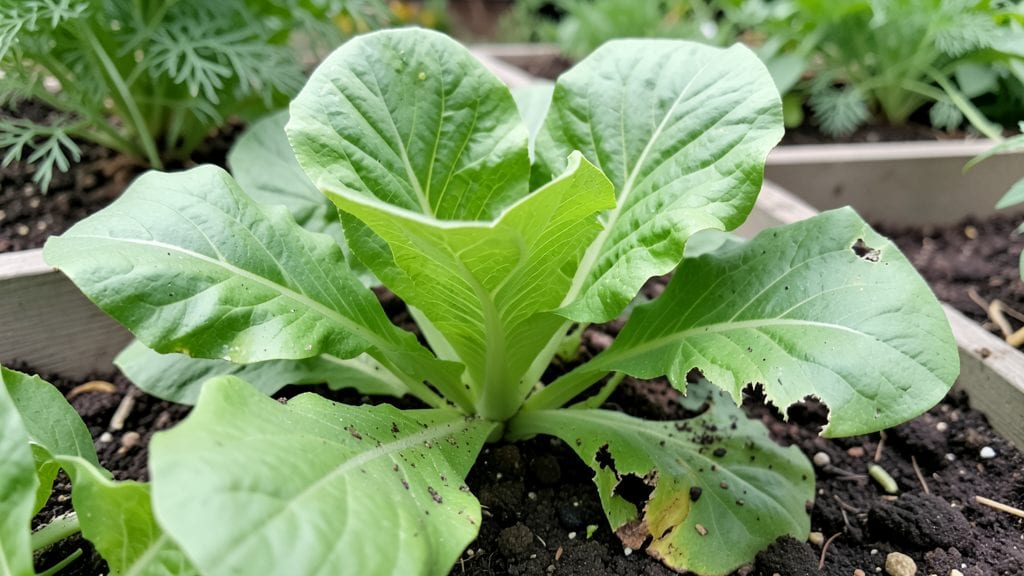
My slug prevention garden starts with a simple truth: these slimy pests don’t stand a chance against the right mix of barriers and smarts. 🌱 I’ve lost count of the lettuce leaves turned to lace and the tender seedlings vanished overnight—until I built a defense system that actually works.
The key isn’t one trick, but layered strategies that slugs can’t outmaneuver, from gritty textures to plants they avoid like the shade.
You don’t need fancy tools or toxic sprays—just a few foolproof materials you likely already have. Crushed eggshells around pots create a jagged obstacle course, copper tape gives them a mild electric shock, and strategic plants like thyme or wormwood send them packing.
Even beer traps (yes, really) work when placed just right. The best part? These methods play nice with pollinators and your soil.
By summer’s end, your garden stays shockingly lush without the daily slug patrol. No more waking up to slime trails or nibbled zucchini blossoms—just healthy plants thriving while slugs move on to easier targets. The secret’s in the details, and I’ll walk you through every step to make it happen.
Works for veggie patches, flower beds, or container gardens—no matter your space or slug pressure. Let’s get your garden back from those slimy invaders for good.
The Hidden Triggers Behind Slug Infestations
Slugs may seem like harmless garden guests, but they’re actually voracious pests that can decimate your plants overnight. Understanding why they invade your garden is the first step to stopping them.
These slimy invaders are drawn by a mix of environmental conditions, food availability, and even human habits. Let’s break down the key factors that turn your garden into a slug buffet.
Slugs thrive in damp conditions because their soft bodies lose moisture quickly in dry air. Without enough humidity, they dehydrate and become sluggish—or worse, die. Here’s how moisture attracts them:
- Rainfall or Overwatering: Slugs multiply rapidly after heavy rain or when soil stays soggy for days. Actionable tip: Water plants in the morning so soil dries faster, reducing slug activity.
- Shady, Humid Microclimates: Dense foliage, mulch piles, and low-lying areas trap moisture, creating perfect slug habitats. Science note: Slugs prefer relative humidity above 80%.
- Condensation from Dew or Irrigation: Early-morning dew or sprinklers create a temporary paradise for slugs. Pro tip: Use drip irrigation instead of overhead watering to minimize surface moisture.
💡 Quick fix: If your garden stays damp for more than 24 hours, slugs will move in. Aim for well-draining soil and avoid waterlogging.
Slugs are not picky eaters—they’ll munch on nearly any tender, succulent plant. But some crops are especially irresistible:
| 🌱 High-Risk Plants | Why Slugs Love Them |
|---|---|
| Hostas, Lettuce, Kale | Soft, moisture-rich leaves are easy to consume. |
| Young Seedlings | Thin stems and leaves provide quick energy with minimal effort. |
| Fruiting Plants (Strawberries, Tomatoes) | Sweet, juicy fruit attracts slugs for a high-calorie meal. |
| Decaying Organic Matter | Rotten wood, fallen leaves, and compost piles harbor slug eggs and food. |
🔥 Prevention: Remove plant debris promptly, especially after harvest. For high-risk crops, opt for slug-resistant varieties (e.g., Hosta 'Blue Angel' or Lettuce 'Slug-Resistant Romaine').
Slugs are most active at night when temperatures drop and predators like birds, frogs, and ground beetles are less active. If your garden lacks natural predators, slug populations explode. Here’s why:
- Artificial Lighting: Outdoor lights (especially white or blue LEDs) attract slugs and deter their predators. Science fact: Slugs are positively phototactic—they move toward light.
- Loss of Habitat for Predators: Removing rocks, logs, or leaf litter destroys hiding spots for beetles and toads, which keep slug numbers in check.
- Pesticide Use: Chemicals that kill slugs often also harm their natural enemies, creating a vacuum that slugs happily fill.
🌡️ Balance tip: Introduce predator-friendly features like a small pond (for frogs) or a pile of flat stones (for beetles). Avoid broad-spectrum pesticides to preserve the ecosystem.
Sometimes, the way we garden accidentally creates a slug paradise. Common culprits include:
- Thick Mulch Layers: Mulch retains moisture and provides hiding spots. Solution: Use coarse mulch (like pine straw) sparingly, leaving gaps for airflow.
- Unsecured Compost Bins: Open compost piles are slug breeding grounds. Fix: Use a tightly sealed bin or bury kitchen scraps deep in the soil.
- Ignoring Slug Trails: Slugs leave slimy trails to follow—if you don’t disrupt them, they’ll keep returning. Trick: Sprinkle diatomaceous earth or crushed eggshells on trails to block their path.
- Planting Too Close to Structures: Slugs crawl under decks, sheds, and patio furniture to stay moist. Prevent: Keep mulch and plants 6+ inches away from walls.
✨ Pro move: Conduct a "slug audit" after rain—check under pots, boards, and dense foliage. Remove any hiding spots immediately.
Natural Ways to Stop Slugs Fast
Slugs may seem unstoppable, but with the right tactics, you can reclaim your garden without harsh chemicals. Here’s how to tackle slugs based on the root causes—from damp soil to hiding spots—plus long-term prevention tips to keep them away for good.
Problem: Slugs thrive in damp, shaded areas where moisture lingers. Solution: Improve drainage and reduce humidity around plants.
- 🔥 Raise Planting Beds – Use containers or elevated planters for moisture-sensitive plants like lettuce and hostas. Slugs struggle to climb smooth surfaces like plastic or metal. - 🍳 Add Gravel or Sand – Mix coarse sand or gravel into the soil around plants to improve drainage.
Slugs dislike dry, gritty conditions. - 👨🍳 Install Drip Irrigation – Water plants at the base early in the day so soil dries faster. Avoid overhead sprinklers that create slug-friendly puddles. - 🌡️ Use Mulch Wisely – Skip thick organic mulch (like wood chips) near vulnerable plants.
Instead, opt for straw or pine needles, which dry out faster.
💡 Pro Tip: Plant slug-resistant ground covers like thyme or clover to break up damp soil and deter slugs naturally.
Problem: Slugs squeeze into small gaps, especially at night. Solution: Create physical barriers they can’t cross.
- 🔪 Copper Tape or Wire – Slugs hate copper! Wrap a 1-inch strip around raised beds, pots, or tree trunks. The electric shock (from their slime) repels them instantly. - 🥘 Eggshells or Diatomaceous Earth – Crush eggshells into sharp fragments and scatter them around plants.
The jagged edges deter slugs without harming plants. - ⏰ Coffee Grounds – Sprinkle used coffee grounds (caffeine is toxic to slugs) in a ring around plants.
Refresh every few days as they break down. - 🌿 Sharp Edging – Bury a plastic bottle rim (cut lengthwise) or broken terracotta pots around beds. Slugs can’t crawl over rough edges.
💡 Pro Tip: Place barriers at night when slugs are most active. Check them after rain—they may need repositioning.
Problem: You need to reduce slug numbers without harming beneficial insects. Solution: Use humane traps and manual removal.
- 🍺 Beer Traps – Bury a shallow dish filled with beer near slug hotspots. Slugs are attracted to the yeast but drown. Replace every 2–3 days to keep it effective. - 🥄 Salt Traps (Use Sparingly) – Sprinkle salt in a small container with water.
Slugs will crawl in and dehydrate. Limit use—salt can harm soil over time. - 🌙 Handpicking at Night – Grab a flashlight and gloves (slugs leave a slimy trail). Pick slugs off leaves and drop them in soapy water.
Do this before dawn when they’re sluggish. - 🐌 Ducks or Chickens – If you have poultry, let them forage in the garden. They’ll happily snack on slugs without chemicals.
💡 Pro Tip: Never use salt or soapy water on beneficial insects—target only slugs in traps.
Problem: Slugs keep coming back because conditions haven’t changed. Solution: Make your garden less inviting with these habits.
| Action | How to Do It | Why It Works |
|---|---|---|
| 🌞 Prune Shady Areas | Trim overgrown plants to let sunlight dry soil faster. | Slugs avoid dry, sunny spots. |
| 🌱 Choose Resistant Plants | Opt for rosemary, lavender, geraniums, or alliums—slugs dislike their scent. | Natural repellents confuse slugs. |
| 🕒 Rotate Crops | Avoid planting slug-loved veggies (like lettuce) in the same spot yearly. | Disrupts slug breeding grounds. |
| 🌧️ Improve Airflow | Space plants to allow air circulation, reducing humidity. | Slugs prefer stagnant, damp microclimates. |
✨ Bonus: Plant garlic or chives near vulnerable areas—their strong odor repels slugs naturally.
Final Note: The key is consistency. Combine barriers, traps, and habitat changes for the best results. With these methods, your garden can stay slug-free—naturally and effortlessly!
Frequently asked questions about keeping slugs out of your garden
What’s the fastest way to stop slugs from eating my seedlings overnight?
Try a copper tape barrier around containers or beds—slugs get a mild electric shock from their slime when touching it. For instant results, sprinkle crushed eggshells or coffee grounds around vulnerable plants. Refresh these every few days after rain.
Are beer traps really effective, or is that just a myth?
They work—but only if done right! Bury a shallow dish filled with beer near slug hotspots. Slugs are drawn to the yeast and drown. Replace the beer every 2-3 days to keep it fresh. For best results, place traps after dark when slugs are most active.
Can I use salt to kill slugs without harming my plants?
Salt is toxic to slugs but can also damage soil and nearby plants over time. Instead, use diatomaceous earth (food-grade) or crushed eggshells—both are slug deterrents that won’t harm your garden. For targeted slug removal, sprinkle salt in a small container with water as a trap.
Why do slugs love my hostas but ignore my marigolds?
Slugs target soft, moisture-rich plants like hostas, lettuce, and strawberries. Marigolds (and other slug-resistant plants like rosemary or lavender) contain natural compounds that repel them. Plant these around vulnerable areas to create a protective barrier.
How do I keep slugs out of my raised garden beds?
Wrap the edges of your raised beds with copper tape or plastic bottle rims (cut lengthwise). For extra protection, add a layer of gravel or sand inside the bed—slugs hate dry, gritty textures. Check barriers after rain to ensure they’re still intact.