How To
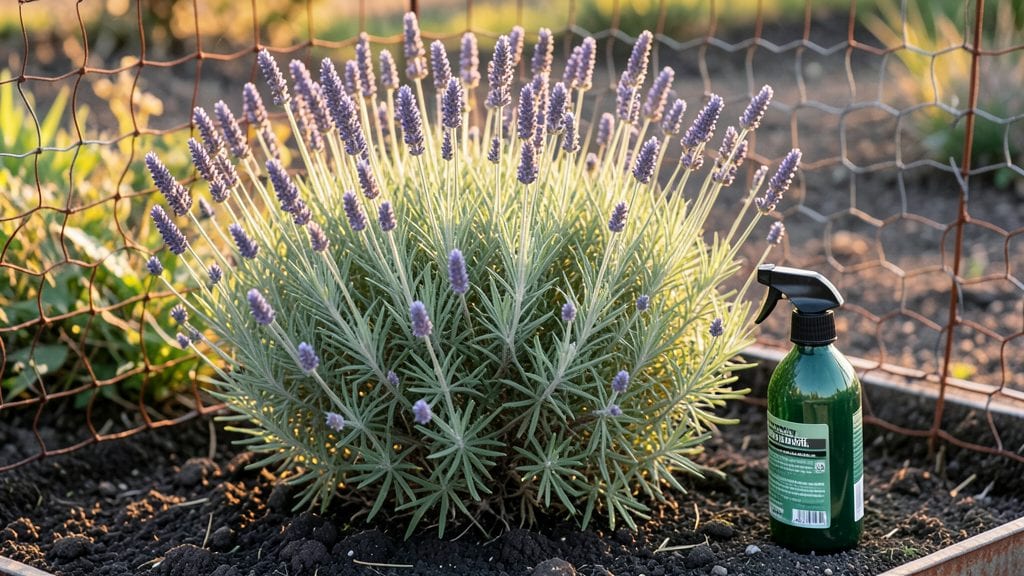
Learn how to keep cats from your garden without sacrificing your plants or their safety—here’s what worked for me. 🌱 The key is combining physical barriers with scents cats hate.
I’ve tested everything from motion-activated sprinklers to catnip traps, and these are the ones that finally gave me peace of mind.
Cats dig, scratch, and mark gardens because they’re natural hunters—and your soil smells like prey. But you don’t need cruel repellents or fences that ruin the view.
Instead, try citrus peels scattered around (cats despise the smell), tall grass or prickly plants like lavender as natural borders, or even a shallow tray of water (they hate wet feet). The motion sprinklers are my secret weapon—they startle cats just enough to teach them to stay away.
Within a week, you’ll notice fewer paw prints in your beds and no more half-dug-up plants. The best part? These methods keep working season after season, and your garden stays safe while the cats stay happy (just not in your soil).
Plus, you’ll save money on fencing and chemical sprays that can harm beneficial insects.
Works for any yard size, from small urban plots to sprawling backyards. The only requirement is consistency—cats are smart, but they’re also creatures of habit. Once they learn your garden isn’t worth the trouble, they’ll move on to easier hunting grounds.
Here’s how to set it up right the first time.
The Root Causes Explained
Cats don’t just wander into your garden out of mischief—they’re driven by instinct, biology, and environmental triggers. Understanding why they’re drawn to your plants, soil, and even your hard work can help you address the problem at its source. Let’s break down the science behind feline garden invasions.
Cats are natural predators, and your garden is essentially a buffet of prey—even if it’s just bugs, birds, or small rodents. Studies show that cats spend up to 30-50% of their waking hours hunting or stalking, thanks to their highly developed prey drive.
Here’s how it plays out in your yard:
- Bug bonanza: Beetles, worms, and grubs are like catnip to felines. A single mole or earwig can trigger a full-blown hunting session. 🐜
- Birds and small mammals: If your garden attracts sparrows, voles, or even squirrels, your cat will see it as a personal challenge. Research from the International Society of Feline Medicine confirms that outdoor cats kill billions of birds and mammals annually.
- Territorial marking: Cats scratch and dig to mark their territory with pheromones. If your garden has soft soil or mulch, it becomes an irresistible scratching post.
Actionable insight: If your cat is digging up plants, they’re likely hunting or marking. Blocking access to prey (e.g., bird feeders, compost piles) can reduce their interest.
Cats have 125–200 million olfactory receptors (vs. humans’ 5–6 million), making smells 14 times stronger for them. Your garden is a sensory explosion of intriguing odors:
- Freshly turned soil: The earthy scent of disturbed soil triggers their digging instinct. Cats associate loose soil with potential prey hiding underneath. 🏗️
- Herbs and flowers: Plants like catnip (Nepeta cataria), valerian, and even basil can act as attractants. Catnip contains nepetalactone, a compound that stimulates their jasmine receptors, leading to euphoric rolling and rubbing.
- Fertilizer and compost: Organic matter releases volatile organic compounds (VOCs), which cats find fascinating. Some fertilizers even contain urea or blood meal, which can smell like urine or blood—highly stimulating to cats.
- Water sources: If you have a birdbath, pond, or even damp mulch, your cat may be drawn to drink or play in it. Cats are dehydrated 60% of the time and will seek out water wherever they find it.
Actionable insight: Remove or mask attractive scents. Avoid catnip, valerian, or blood-meal fertilizers near garden edges. Use citrus peels or vinegar sprays (safe, non-toxic deterrents) to disrupt their interest.
Indoor cats, in particular, are highly intelligent and need mental and physical enrichment. Without it, they’ll seek adventure—even if it means wrecking your garden. Here’s why boredom turns your yard into a playground:
- Understimulated brains: Cats left alone for long hours develop compulsive behaviors, like digging, scratching, or hunting. A study in Applied Animal Behaviour Science found that cats with less than 12 hours of human interaction daily are 3x more likely to exhibit destructive behaviors.
- No alternative outlets: If your cat doesn’t have scratching posts, puzzle feeders, or climbing trees, they’ll improvise—often with your garden soil or plants. 🌳
- Seasonal changes: Warmer weather increases outdoor urges. Cats in spring and summer are more likely to escape or dig because their energy levels spike.
Actionable insight: Enrich their indoor environment with vertical spaces, interactive toys, and scheduled playtime. A tired cat is a less destructive cat.
If your cat has even a crack of access to the outdoors, they’ll treat your garden like their personal kingdom. Here’s how open doors and windows invite trouble:
- Negative reinforcement: If your cat escapes and isn’t punished, they’ll repeat the behavior. Cats learn that digging = freedom. 🐾
- No boundaries: Without clear barriers, cats test limits. If they can reach one part of the garden, they’ll push further.
- Outdoor reinforcement: Birds, insects, and even other animals reward their hunting instincts, making the garden irresistible.
Actionable insight: Supervise outdoor time or use cat-proof barriers (like motion-activated sprinklers or tall fencing). Never assume a closed door means safety—cats are Houdinis.
Now that you know why your cat is turning your garden into a disaster zone, the next step is strategic prevention. The good news? Most of these triggers can be easily neutralized with the right barriers and distractions. Stay tuned for our next section on humane, cat-proofing solutions!
Effective Fixes for Cat-Proofing Your Garden
Now that you understand why cats are drawn to your garden, it’s time to take action with practical, humane solutions that keep them out without causing harm. Below, we’ve mapped out targeted fixes based on the most common causes—so you can choose the best approach for your situation.
If your cat is digging, climbing, or simply wandering in, physical deterrents are the most reliable first line of defense.
🔨 Install a Sturdy Fence or Netting
- Best for: Open gardens, raised beds, or areas with loose soil.
- How to do it:
- Use chicken wire, hardware cloth, or plastic mesh (cats can’t chew through it).
- Bury the netting at least 12 inches deep to prevent digging underneath.
- For vertical barriers, attach netting to trellises or stakes around plants.
- Pro tip: 💡 If your cat is a climber, add a 1-2 foot overhang at the top to discourage jumping.
🪟 Use Spikes or Prickers (Humane Version)
- Best for: Patio edges, walkways, or flower beds.
- How to do it:
- Install plastic or rubber spikes (not metal—these can hurt paws).
- Space them 2-3 inches apart along the border.
- Cats dislike the texture and will avoid it.
- Pro tip: ✨ For a DIY option, plant prickly plants like rosemary, lavender, or thorny bushes (cats hate the feel!).
🚪 Secure Entry Points
- Best for: Gardens with gaps under doors, windows, or fences.
- How to do it:
- Install door sweeps or baby gates to block small openings.
- Check for holes in fences and repair them with wire mesh.
- If your cat slips through a pet door, add a flap or lock when you’re outside.
Cats avoid spaces that feel uncomfortable, smelly, or unsafe. Use these sensory deterrents to push them away.
🌡️ Use Citrus or Herbal Scents
- Best for: Cats that avoid strong smells.
- How to do it:
- Spray citrus peels (orange, lemon, lime) in water and mist the soil or fence.
- Plant cat-repellent herbs like catnip (ironically, some cats avoid it after overstimulation), lavender, or rue.
- Refresh every 2-3 weeks (scents fade).
- Pro tip: 🎯 Vinegar spray (1:1 water and white vinegar) also works—cats dislike the smell!
🎶 Add Motion-Activated Deterrents
- Best for: Curious or bold cats.
- How to do it:
- Place motion-activated sprinklers (like ScareCrow) near entry points.
- Use wind chimes or solar-powered lights—cats dislike sudden movements.
- DIY option: Hang old CDs or aluminum pie pans on strings—they create noise when disturbed.
💦 Create Uncomfortable Textures
- Best for: Cats that love digging or walking on soft soil.
- How to do it:
- Spread gravel, pebbles, or pine cones along borders.
- Lay plastic carpet runners (upside down) where cats frequently walk.
- Avoid sharp objects—only use safe, blunt textures.
Instead of just keeping cats out, give them better alternatives so they lose interest in your garden.
🏡 Provide a Cat-Friendly Outdoor Space
- Best for: Cats that need stimulation but shouldn’t roam free.
- How to do it:
- Set up a catio (outdoor enclosure) with scratching posts, toys, and perches.
- Train them to use it by placing treats and catnip inside.
- If a catio isn’t possible, create a "cat zone" near your home with sand, grass patches, and digging boxes.
🎾 Offer More Indoor Enrichment
- Best for: Cats that garden-browse out of boredom.
- How to do it:
- Rotate toys daily to keep them engaged.
- Install window perches so they can watch birds/squirrels from inside.
- Use puzzle feeders to stimulate their hunting instincts.
🧴 Use Taste Deterrents (Safe for Plants & Pets)
- Best for: Cats that chew or scratch plants.
- How to do it:
- Spray plants with bitter apple spray (non-toxic but unpleasant).
- Rub garlic or onion powder (diluted) on leaves—cats dislike the smell.
- Avoid hot peppers or cayenne (can be toxic if ingested in large amounts).
Once your garden is secure, maintain these habits to keep cats away for good.
🌱 Regular Garden Maintenance
- Trim overgrown plants so cats can’t hide or climb.
- Remove fallen leaves/pine cones (they create cozy hiding spots).
- Keep mulch neat—loose piles invite digging.
📅 Seasonal Checks
- Spring/Summer: Reinforce fences after rain (soil erosion can create gaps).
- Fall/Winter: Clear debris where cats might nest (like under sheds).
- Year-round: Reapply deterrents every few weeks as scents fade.
🤝 Work with Neighbors
- If cats are community strays, ask neighbors to feed them indoors or install deterrents on shared property.
- Post "No Trespassing" signs (humor helps—try "Keep Out: Garden Patrol in Effect").
Final Thought: 🌟 The key is layering solutions—combine physical barriers, sensory deterrents, and enrichment for the best results. Start with one or two methods, observe what works, and adjust as needed. With patience, your garden will stay cat-free and thriving!
Frequently asked questions
Will commercial cat repellents harm my plants or soil?
Most commercial sprays are designed to be plant-safe, but always check the label for organic certification. Natural options like citrus peels or vinegar are completely harmless and just as effective. Avoid products with strong chemicals or essential oils (like tea tree or eucalyptus) near edible plants—these can be toxic if ingested.
How do I keep neighborhood cats out of my garden?
Start with motion-activated sprinklers near entry points—neighborhood cats will learn to avoid the area quickly. For stubborn strays, try a combination of prickly plants (like lavender) along borders and a sign that says "No Trespassing" with a humorous twist (cats won't read it, but humans will). If possible, coordinate with neighbors to create a unified deterrent zone.
What's the fastest way to stop a cat from digging up my garden?
Immediate action is key: spread gravel or pine cones in the problem areas (cats hate walking on rough textures) and install plastic spikes along borders. For a quick fix, place a shallow tray of water near the garden—cats dislike wet paws. Combine this with a strong citrus spray, and you'll see results within 24-48 hours.
Can I use catnip to keep cats away from my garden?
This is a clever trick! Plant catnip in a separate, contained area far from your garden—cats will be too busy rolling in it to bother with your plants. Just avoid placing it near your garden edges, or you might attract them closer. For maximum effect, combine this with other deterrents like motion-activated sprinklers.
Are motion-activated sprinklers safe for cats?
Yes, when used correctly. These sprinklers are designed to give a gentle burst of water (about 1-2 gallons) when motion is detected—just enough to startle a cat without harming them. The key is proper placement: aim for areas where cats enter, not directly at their faces. Most cats learn to avoid the zone within a few days without any lasting stress.