
Tools
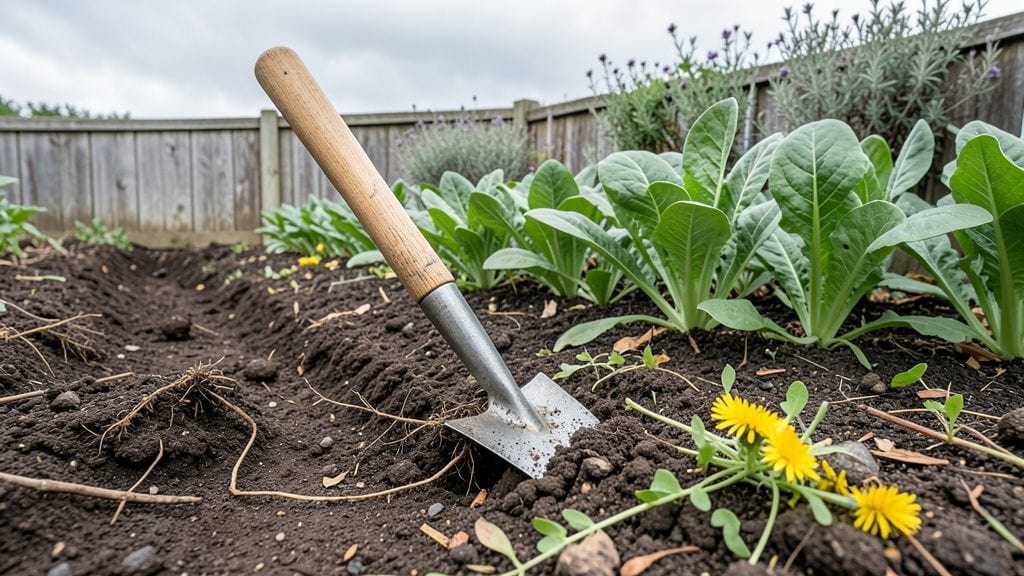
My back is still sore from wrestling with those stubborn dandelions last spring—until I found an ergonomic garden weed puller that changed everything. 🌱 The right tool makes weeding feel less like a workout and more like a quick, satisfying task, especially when you're dealing with deep-rooted weeds or sore knees.
Most gardeners either yank weeds by hand (which works for small patches but leaves your hands raw) or rely on mechanical pullers that feel like they're fighting you.
An ergonomic grip reduces strain while letting you pull weeds from their roots—no more breaking off the taproot and watching them grow back. I've tried everything from dandelion diggers to long-handled weeding tools, and the ones with cushioned grips and sharp, angled blades make the biggest difference.
Once you switch, you'll notice weeds come out cleaner and faster, leaving your garden beds looking freshly tilled without the backache. The best part? You can use these tools for everything from sidewalk cracks to raised beds, and they last for years with basic maintenance.
Sustainable weeding isn't about brute force—it's about working smarter, not harder.
Fair warning: the first time you see how much easier weeding becomes, you'll wonder why you didn't upgrade sooner. Let's talk about which models actually deliver on that promise—and which ones to skip. Here's what I learned after testing half a dozen options.
📚 In This Guide
- What you need
- Instructions
- Tips and common mistakes
- Wrapping up and next steps
What you need
- ● Ergonomic Garden Weed Puller: Choose one with a comfortable grip (e.g., Fiskars or Spear & Jackson brands). Look for adjustable handles for customizable comfort.
- ○ Knee Pads (Optional but Recommended): Pair of high-quality, breathable knee pads (e.g., Gorilla Grip or Tough Outdoors) to protect your joints during long sessions.
- ● Gloves: Heavy-duty gardening gloves (e.g., Workrite or Southport) to protect your hands from thorns and dirt.
- ● Garden Trowel or Small Shovel: For loosening stubborn soil or digging deeper if needed.
- ● Pruners or Shears: For trimming larger weeds or plants that may interfere with your weeding.
- ● Water Spray Bottle or Hose: To dampen dry soil or rinse off tools afterward.
- ● Trash Bag or Compost Bin: For disposing of weeds (check local regulations—some weeds may need special disposal).
- ● Portable Seat or Stool: For longer sessions, especially in large gardens.
- ● Sun Hat & Sunglasses: To shield yourself from the sun while working outdoors.
- ● Sunscreen & Bug Spray: For added comfort during extended weeding.
- ● Garden Kneeler with Seat: Combines comfort and mobility for easier movement.
How to use a garden weed puller for back-friendly weeding
Here's how to transform weeding from a chore into a quick, satisfying task with the right tool.
🪴 Step 1: Choose the Right Tool for Your Garden
Look for a weed puller with an ergonomic grip that fits comfortably in your palm—this reduces wrist strain during long sessions. I prefer models with a sturdy, angled head that lets you slide under weeds without bending over. The 4-inch wide blade is ideal for most garden beds, while wider models work better for lawns.
Check the handle material too. Foam or rubber grips absorb sweat and prevent slipping, which is a game-changer when your hands get damp. If you're working in rocky soil, opt for a reinforced steel blade that won't bend when you hit roots or stones.
✂️ Step 2: Master the Proper Grip and Stance
Hold the weed puller with your dominant hand, gripping the handle firmly but not tightly—you want control, not tension. Stand with your feet shoulder-width apart and knees slightly bent to protect your back. This stance lets you use your body weight to pull weeds instead of yanking with your arms.
I angle the blade slightly as I push it into the soil, then slide it under the weed's root. The key is to go deep enough—about 1-2 inches—to grab the entire root system. If you only get the top, the weed will regrow. Watch for the soil to loosen around the edges of the blade—that's your signal you're at the right depth.
💧 Step 3: Pull with Control, Not Force
Start with small weeds first—they're easier to remove and build your confidence. Push the blade into the soil, then roll your wrist slightly to lift the weed out. For stubborn weeds, I press the blade deeper and wiggle it gently to break the roots before pulling upward. This prevents the weed from snapping off at the surface.
If the soil is dry and hard, water the area lightly first—it makes pulling easier and protects your tool. I keep a small spray bottle nearby for this. Avoid pulling when the soil is soggy; it clumps around the roots and makes the job harder. You'll know you're doing it right when the weed comes out cleanly with minimal resistance.
☀️ Step 4: Maintain Your Tool for Longevity
After each session, rinse the blade with water to remove dirt and sap, then wipe it dry with a cloth. I store my weed puller in a dry place—hanging it on a hook prevents rust and keeps it ready for next time. Sharpen the blade occasionally with a file to maintain its effectiveness, especially if you're working in rocky soil.
Check the grip regularly for wear. If it starts to crack or slip, replace it—your comfort matters more than the tool itself. I've found that a light coat of silicone spray on the grip extends its life by keeping it grippy and sweat-resistant. A well-maintained weed puller lasts years, so it's worth the extra care.
🌱 Step 5: Make Weeding a Habit
Set aside 10-15 minutes weekly to tackle weeds before they spread. I do this on a dry, sunny afternoon when the soil is workable but not too hard. Focus on one section at a time—this keeps the task manageable and prevents burnout.
Pay attention to patterns. Weeds often grow in the same spots, so I mark those areas with small flags or rocks to prioritize them next time. Over time, you'll notice fewer weeds popping up because you're catching them early. Think of it as preventive maintenance for your garden—just like trimming hedges keeps them neat, consistent weeding keeps your beds tidy.
Tips & tricks for effortless weeding with a garden weed puller
Transforming weeding from a back-breaking chore into a satisfying gardening ritual starts with these key techniques that make every pull easier on your body and more effective in your garden.
The Depth Factor: In Step 2, when you push the blade into the soil, think of it like removing a stubborn cork from a bottle. The 1-2 inch depth is crucial—any less and you'll leave roots behind that regrow. I've learned the hard way that shallow pulls mean double the work. Look for that telltale soil loosening around the blade edges as your signal to lift. This takes practice, but your garden will thank you with fewer repeat weeds.
Soil Prep Strategy: Before you start, check your soil's moisture level in Step 3. Dry, hard soil makes pulling difficult and puts unnecessary strain on your tool. I keep a small spray bottle handy to give stubborn areas a quick mist—just enough to soften the soil without making it soggy. This simple step can extend your tool's life by preventing rust from dried sap and soil buildup.
Tool Maintenance Game-Changer: After each session, I make it a point to follow Step 4's maintenance routine religiously. The silicone spray on the grip has saved me from dropping my weed puller more times than I can count. I also keep a small file in my gardening toolbox specifically for this blade—I've found that sharpening it every few months makes pulling weeds feel like cutting through butter rather than wrestling with roots.
Weekly Weeding Hack: The 10-15 minute weekly commitment in Step 5 actually works best if you break it into smaller chunks. I've found that 5 minutes every other day prevents weeds from getting established in the first place. Use this time to focus on those trouble spots you marked earlier—consistency is key. I've noticed that when I skip weeks, it takes me twice as long to catch up, and the weeds are always more stubborn.
Pro Tips for Garden Weed Puller
- Transforming weeding from a back-breaking chore into a satisfying gardening ritual starts with these key techniques that make every pull easier on your body and more effective in your garden.
- The Depth Factor: In Step 2, when you push the blade into the soil, think of it like removing a stubborn cork from a bottle.
- Soil Prep Strategy: Before you start, check your soil's moisture level in Step 3.
Frequently asked questions
Got questions about using a garden weed puller? You’re not alone! Here are some of the most common queries—and their straightforward answers—to help you tackle weeds like a pro.
What’s the best time of year to use a garden weed puller?
A weed puller works year-round, but early spring or fall is ideal. The soil is softer, making it easier to extract weeds (and their roots) without resistance. Avoid peak summer when dry, hard soil can break tools or leave stubborn roots behind. Pro tip: Water the area lightly the day before for even better results!
Will a garden weed puller save my back compared to hand-pulling?
Ergonomic weed pullers are designed to reduce strain by leveraging your body weight and grip. Unlike hand-pulling, which often requires bending or twisting, these tools let you stand taller and pull with controlled force. For large gardens, this can cut weeding time by 50% or more—and spare your knees and back!
Can I use a weed puller on all types of weeds (e.g., dandelions, crabgrass, clover)?
Most garden weed pullers handle common weeds, but thick-rooted varieties like dandelions or bindweed may need a sturdy, claw-style puller for deeper extraction. For delicate plants (like clover), opt for a narrow-tip tool to avoid damaging surrounding soil. Always check the tool’s max root depth—typically 6–12 inches for most models.
What’s the difference between a weed puller and a weeding knife?
A weed puller focuses on removing entire weeds (roots and all) with leverage, while a weeding knife slices weeds at the surface—great for dense areas but less effective for deep roots. Pullers are better for perennial weeds (like thistles), while knives excel in tight spaces or lawns. Some tools even combo both features!
My weed puller keeps slipping—how can I grip better?
Slippage usually means sweaty hands or a dull grip. Try these fixes:
If the issue persists, check for loose screws and tighten them.
Wrapping up and next steps
Investing in a garden weed puller with an ergonomic grip isn’t just about making weeding easier—it’s about transforming a tedious chore into a manageable, even enjoyable task.
With the right tool, you’ll save time, protect your back, and keep your garden looking pristine with minimal effort. So why wait? Head to your local garden center or order online today, and take the first step toward a weed-free paradise—without the strain! 🌱✨
Next steps:
- Compare models to find the best fit for your needs.
- Read user reviews for real-world insights.
- Grab your weed puller and start reclaiming your garden—one pull at a time!