
Pests and Diseases
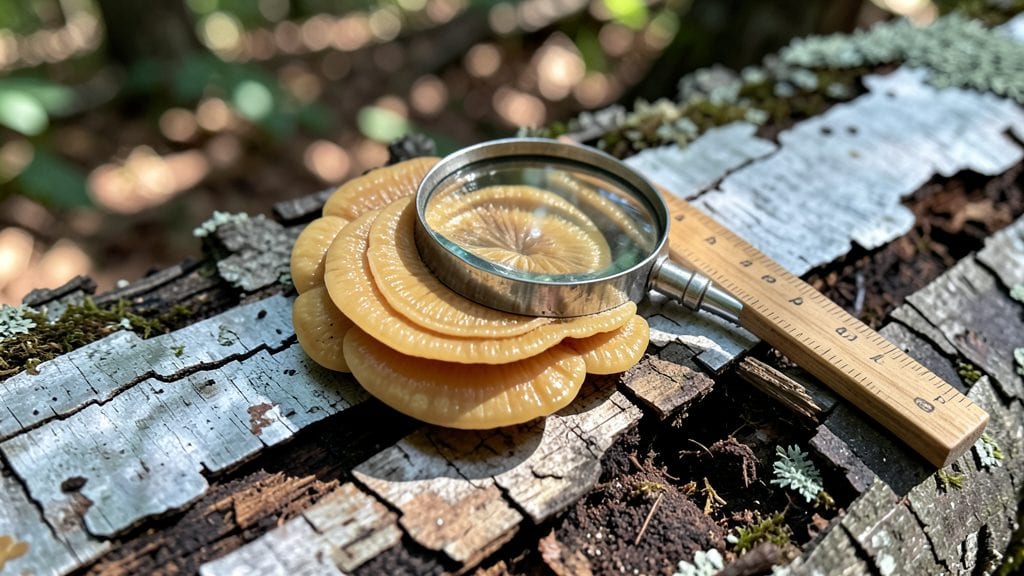
The key to stopping garden fungus before it ruins your plants is mastering garden fungus identification—and I’ve spent years watching mushrooms pop up in my yard, some harmless, others signaling disaster for my tomatoes and roses. ✨ The difference between a pretty toadstool and a destructive pathogen often comes down to a few key details.
Most gardeners panic when they see white fuzz on leaves or black spots on fruit, but knowing what to look for makes all the difference. Powdery mildew leaves a chalky residue, while rust creates orange pustules on undersides of leaves.
Toxic lookalikes like the deadly galerina mushroom mimic edible varieties, so spore color and stem structure matter more than you'd think.
You'll learn to spot these differences in minutes, not days, and take action before fungus spreads. A simple spray of neem oil can stop mildew in its tracks, while removing infected leaves prevents rust from ruining your harvest. Prevention is easier than cleanup—trust me, I've tried both.
This guide covers the most common fungi in North American gardens, from harmless puffballs to destructive blights. Whether you're dealing with a shady lawn or a sun-drenched vegetable patch, these visual cues will help you act fast. Let's get started with the field guide!
Underlying Causes Of Fungal Growth
Fungi thrive in gardens not by accident but due to a perfect storm of environmental and biological factors. Understanding these triggers helps you spot patterns and prevent outbreaks before they spread. Below, we break down the key reasons fungi pop up in your garden—and how they exploit your landscape.
💧 The #1 fungal magnet: waterlogged soil.
Fungi need moisture to grow, but gardens often create ideal breeding grounds through: - Overwatering – Soil that stays soggy for days (or worse, weeks) creates a fungal paradise.
Many garden fungi, like Phytophthora (a water mold), release spores in damp conditions and infect plants within 24–48 hours. - Poor drainage – Compacted or clay-heavy soil traps water near roots, where fungi like Armillaria (honey fungus) or Rhizoctonia (root rot) feast on decaying organic matter. - Irrigation habits – Splashing water from overhead sprinklers can aerosolize fungal spores, spreading them to healthy plants.
(Think of it like a fungal "mist" settling on leaves.)
Actionable fix: Test your soil’s drainage by digging a 12-inch hole, filling it with water, and timing how long it takes to drain. If it’s slower than 4–6 hours, amend with compost or sand.
🍄 Fungi are nature’s recyclers—but they’re not tidy tenants.
Leaves, mulch, and dead plants provide food and shelter for fungi.
Common culprits include: - Thatch buildup – A thick layer of dead grass (common in lawns) traps moisture and blocks airflow, inviting fairy ring fungi or Laetiporus (chicken of the woods) to take root. - Wood mulch – While great for soil health, untreated hardwood or bark mulch can host bracket fungi (like Ganoderma) or Polyporus, which break down lignin in wood. - Compost piles – If your compost heap is too wet or not turned, it becomes a fungal hotspot. Mushroom-forming fungi (e.g., Agaricus bisporus) may pop up, signaling imbalance.
Actionable fix: Remove thick layers of organic debris, especially near plant bases. Use straw or shredded leaves (instead of whole leaves) for mulch, and keep compost piles aerated and moist like a damp sponge.
🌡️ Fungi love summer—but some peak in spring or fall.
Temperature and humidity create peak spore-release conditions:
- Spring rains + warming soil – Many fungi, like Morchella (morels), emerge when temperatures hover around 50–70°F (10–21°C) and soil is damp.
- Summer humidity – Fungi such as Pythium (damping-off) thrive in 80%+ humidity, especially in shaded or dense plantings.
- Fall leaf drop – As trees shed leaves, fungi like Psathyrella (deer mushroom) colonize the decaying matter, often appearing overnight.
Actionable fix: Monitor local fungal forecasts (yes, they exist!) and adjust watering schedules. In humid climates, water in the early morning to allow foliage to dry by evening.
🛡️ Stressed plants = open invitations for fungi.
Plants under duress (nutrient-deficient, injured, or diseased) can’t fight off fungal invaders.
Common stress factors: - Nutrient deficiencies – Lack of phosphorus or potassium weakens roots, making them vulnerable to Fusarium or Verticillium wilt. - Physical damage – Pruning cuts, insect bites, or hail scars create entry points for fungi like Botrytis (gray mold). - Competition for space – Overcrowded gardens reduce airflow, increasing humidity near foliage—perfect for powdery mildew or rust fungi.
Actionable fix: Conduct a soil test to check nutrient levels. Space plants 3–6 inches apart (depending on variety) for airflow, and sterilize pruning tools with rubbing alcohol to prevent spore transfer.
🧹 Fungal spores hitchhike on unsuspecting helpers.
Even well-meaning gardeners accidentally spread fungi through:
- Dirty tools – Pruners, trowels, or rakes contaminated with spores can inoculate healthy plants when moved to new areas.
- Infected compost or soil amendments – Some bagged soils or manures contain dormant fungal spores that activate when conditions are right.
- Wildlife activity – Slugs, snails, and even birds can carry fungal spores on their bodies or in their droppings.
Actionable fix: Sanitize tools between uses with a 10% bleach solution (1 part bleach to 9 parts water). If repotting, bake soil amendments at 180°F (82°C) for 30 minutes to kill spores.
Quick fixes for fungal woes
Fungus in your garden isn’t just unsightly—it can weaken plants, spread rapidly, and even harm your soil’s health. The good news? Most fungal issues have simple, effective solutions if you act fast.
Below, we’ve mapped common causes to practical fixes, along with prevention tips to keep your garden thriving. Think of this as your go-to troubleshooting guide for fungal troubles!
Problem: Fungus loves damp, stagnant air—common in dense plantings or shaded areas where airflow is restricted. Fix It:
- 🔥 Prune and Thin: Remove overgrown branches, weeds, or excess foliage to improve airflow. Aim for 3–6 inches of space between plants.
- 👨🍳 Mulch Strategically: Use straw or pine needles (avoid thick layers of wood chips, which retain moisture). Keep mulch 2–3 inches deep and 2 inches away from stems.
- ⏰ Water Wisely: Water early in the morning (before 10 AM) to allow foliage to dry quickly. Use a soaker hose or drip irrigation to avoid wetting leaves.
Prevent It: ✨ Space plants according to mature size (check seed packets). ✨ Avoid planting deep-rooted and shallow-rooted plants together—they compete for space and air. ✨ Install trellises for vining plants to elevate them and improve airflow.
Problem: Fungus thrives in soggy conditions. Overwatering or poor drainage creates the perfect breeding ground. Fix It:
- 🌡️ Drainage First: Amend heavy clay soil with compost or perlite to improve water flow. For containers, ensure pots have drainage holes.
- 🔥 Adjust Watering: Let the top 1–2 inches of soil dry out between waterings. Stick your finger in the soil—if it’s damp, wait!
- 🏗️ Raise Beds or Mounds: For problem areas, create raised beds or plant on mounds to encourage faster drying.
Prevent It: 💡 Test your soil’s drainage—dig a hole, fill it with water, and time how long it takes to drain. Ideal: 4–6 hours. 💡 Use moisture meters for precision (especially for thirsty plants like tomatoes). 💡 Plant fungus-resistant varieties (e.g., ‘Blaze’ tomato for fungal disease resistance).
Problem: Leaves, fallen fruit, and plant waste provide food and shelter for fungal spores. Fix It:
- 🔪 Clean Up Thoroughly: Remove all fallen leaves, spent blooms, and debris from beds and around plants. Compost only disease-free material (avoid composting infected plants).
- 🍳 Solarize the Soil: For stubborn fungus, cover the area with clear plastic sheeting for 4–6 weeks in hot sun to kill spores (works best in summer).
- 🌱 Rotate Crops: Avoid planting the same family (e.g., tomatoes, peppers) in the same spot for 3–4 years to break the fungal cycle.
Prevent It: ✨ Mulch with caution—remove old mulch annually and replace with fresh. ✨ Disinfect tools with 70% rubbing alcohol or a 10% bleach solution between uses. ✨ Plant trap crops (like nasturtiums) to lure pests away from your main crops.
Problem: Fungus often attacks plants already struggling from nutrient deficiencies, pests, or environmental stress. Fix It:
- 💪 Boost Plant Health: Feed with a balanced fertilizer (e.g., 10-10-10) or compost tea to strengthen roots and foliage.
- 🍎 Target-Specific Treatments:
- Powdery mildew? Spray with baking soda solution (1 tbsp baking soda + 1 quart water + a drop of dish soap).
- Black spot? Apply neem oil (follow label rates) or copper fungicide for severe cases.
- 🌡️ Adjust Conditions: Move potted plants to sunnier spots or reduce humidity with a fan (for indoor gardens).
Prevent It: 💡 Monitor plants weekly for early signs of stress (yellowing, wilting, spots). 💡 Use row covers to protect seedlings from fungal spores in spring. 💡 Avoid over-fertilizing with nitrogen—it promotes lush, fungus-loving growth.
If fungus persists despite your efforts, consider:
- Beneficial microbes: Add mycorrhizal fungi or Trichoderma to your soil to outcompete harmful fungi.
- Professional help: For large-scale issues, consult a local extension service or organic pest control expert.
Remember: The key to beating garden fungus is prevention + quick action. Once you spot the first signs, act fast—your plants will thank you with healthier growth and bigger yields! 🌱💚
Frequently asked questions
How do I tell if a mushroom is poisonous or edible?
Never eat wild mushrooms without 100% certainty—many deadly lookalikes exist! Check the gill color (white/gray gills often signal toxicity), spore print (use a brown paper bag to collect spores), and stem structure (bulbous bases can indicate danger). When in doubt, consult a local mycology expert or use a field guide with photos.
What’s the difference between a mushroom and mold?
Mushrooms are the reproductive structures of fungi (like toadstools), while mold is the vegetative growth (fuzzy white/black patches on decaying matter). Mushrooms have stems and caps; mold spreads as a thin, flat layer. Both can be harmful—mold causes plant rot, while some mushrooms (like death cap) are deadly if ingested.
Can I use vinegar to kill garden fungus?
Yes! A 1:1 vinegar-water solution (sprayed on leaves) disrupts fungal cell walls. For stubborn cases, add 1 teaspoon dish soap as a surfactant. Test on a small area first—vinegar can burn tender plants. Reapply every 7–10 days during damp weather. Avoid using on edible plants right before harvest.
Why do mushrooms keep growing back after I remove them?
Mushrooms are often the fruit of an underground mycelium network—like the roots of a tree. Removing the mushroom alone won’t stop regrowth. To eliminate them, dig out the soil 6–12 inches deep where they appear, or apply copper fungicide to kill the mycelium. For lawns, improve drainage to discourage fungal growth.
Are all garden fungi bad for plants?
No! Some fungi are beneficial, like mycorrhizal fungi that boost plant roots or Trichoderma, which fights harmful pathogens. Look for white lace-like networks on roots (mycorrhizae) or bright orange-red mushrooms (like Clavaria)—these are usually harmless. Only remove fungi causing visible plant damage (yellowing, wilting, or spots).