Diseases
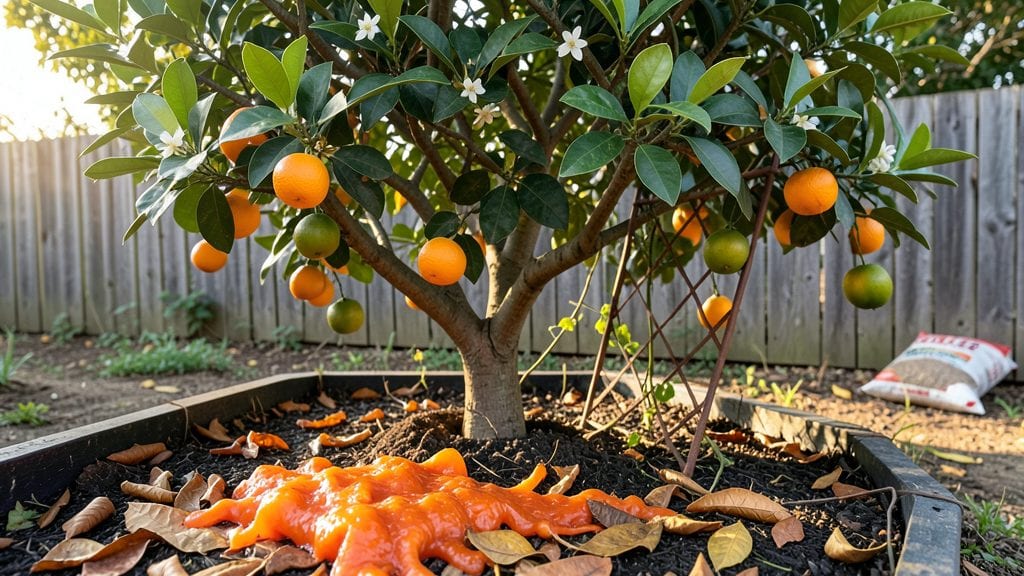
Orange slime mold creeping across your garden paths isn’t dangerous—it’s just nature’s weirdest cleanup crew. 🌿 I’ve seen it turn my mulch into an orange carpet, but the good news?
It’s harmless, and removing it won’t hurt your soil or plants. The real trick is understanding why it shows up in the first place.
This gunk thrives when organic matter piles up and humidity lingers—think damp mulch, fallen leaves, or even overwatered areas. It’s not a pest; it’s a decomposer, breaking down dead plant material.
The problem? It looks unappealing, and if you’ve got kids or pets, you might want it gone fast. The key is acting before it spreads.
With a few simple steps—like scraping it off with a stiff brush or raking up damp mulch—you’ll send it packing without chemicals. I’ve even used a mix of vinegar and water for stubborn patches, and the mold vanishes within hours.
The best part? Your soil stays healthy, and your garden keeps looking pristine.
Once you’ve cleared it, focus on keeping mulch dry and well-aerated to prevent a comeback. A little prevention—like spreading mulch thinner or improving drainage—goes a long way. Your garden will stay mold-free and thriving, no mystery orange invaders included.
Root Causes Of Orange Slime
Orange slime mold in your garden isn’t just a random nuisance—it’s a fascinating (but often unwanted) response to specific environmental triggers. Understanding these causes helps you address the problem at its source. Here’s why this eerie orange growth appears in your soil, mulch, or lawn:
Slime molds thrive in damp conditions, and orange varieties like Fuligo septica (commonly called "dog vomit slime") are no exception. When organic matter—like fallen leaves, wood chips, or decaying plant material—gets saturated with water, it creates the perfect breeding ground. Here’s why:
- Poor Drainage 🚧: Compacted soil or heavy clay holds excess water, preventing evaporation and keeping the substrate moist for extended periods.
- Overwatering 💦: While plants need hydration, soggy soil (especially after rain or frequent watering) signals slime molds to activate their spore-producing phase.
- Morning Dew 🌅: High humidity at dawn can trap moisture in mulch or leaf litter, creating ideal conditions for slime mold spores to germinate.
Actionable Fix: Improve drainage with organic matter (like compost or perlite) and avoid watering late in the day to reduce overnight humidity.
Slime molds are decomposers—they "eat" dead plant material by breaking it down into simpler compounds. When organic debris piles up, it becomes a buffet for these organisms:
- Leaf Litter 🍃: Thick layers of fallen leaves trap moisture and provide food, encouraging slime mold growth.
- Wood Chips & Mulch 🪵: While mulch suppresses weeds, it also creates a dark, damp microclimate where slime molds can spread unchecked.
- Compost Piles 🗑️: Even well-managed compost can host slime molds if it’s too wet or lacks oxygen (aeration prevents anaerobic conditions they favor).
Actionable Fix: Rake up thick leaf layers, turn compost regularly, and opt for finer mulch (like shredded bark) that dries faster.
Slime molds are temperature-sensitive and often appear during transitional seasons:
- Warm, Wet Springs 🌸: After winter rains, soil warms up, and moisture lingers—perfect for slime mold spores to wake from dormancy.
- Cool, Damp Autumns 🍂: Fall’s moisture combined with dropping temperatures triggers their reproductive phase.
- Sudden Rain After Drought 🌧️: A heavy downpour can reactivate dormant spores in dry mulch or soil.
Actionable Fix: Monitor weather patterns and remove organic debris before rain if slime mold is a recurring issue.
Slime molds often pop up after soil disruption, such as:
- Gardening Activities 🏡: Digging, tilling, or planting exposes buried spores to surface conditions, where they can germinate.
- New Mulch Application 🪴: Fresh mulch provides both food and moisture, inviting slime molds to colonize.
- Post-Construction Sites 🏗️: Exposed soil with disturbed organic layers becomes a hotspot for slime mold outbreaks.
Actionable Fix: Avoid working in garden beds when soil is saturated, and let newly mulched areas dry out before heavy rains.
Slime mold spores are everywhere—in soil, air, and even on tools. They lie dormant until conditions are right:
- Windborne Spores 💨: Spores travel easily and land on moist surfaces, germinating when conditions align.
- Tool Contamination 🪒: Shovels, rakes, or pruners can carry spores from infested areas to clean ones.
- Animal Activity 🐾: Wildlife (like squirrels or birds) can spread spores via their paws or droppings.
Actionable Fix: Sterilize tools with a 10% bleach solution between uses, and avoid spreading mulch or soil from infested areas.
Key Takeaway: Orange slime mold isn’t a sign of poor gardening—it’s a natural (if unsightly) part of decomposition. By controlling moisture, organic debris, and soil disturbance, you can minimize its appearance without harming your garden’s health.
Simple Fixes for Orange Slime Mold
Slime mold may look like a weird, science-fair experiment gone wrong, but it’s actually harmless—though unsightly and potentially damaging to plants if left unchecked. The good news? You can tackle it naturally without harming your soil or garden ecosystem.
Below, we’ll break down the most common causes of orange slime mold outbreaks and the best ways to eliminate and prevent them.
If your garden stays soggy for too long, orange slime mold thrives in the damp, decaying organic matter. This is especially true for mulch, leaf litter, or compost piles that don’t dry out.
How to Fix It:
- 🍳 Reduce Watering Frequency – Let the top 1-2 inches of soil dry out between waterings. Use a moisture meter or stick your finger in the soil to check.
- 👨🍳 Improve Drainage – Amend heavy clay soil with compost or sand to help water drain faster. If planting in containers, ensure pots have drainage holes.
- 🥘 Clear Debris – Remove wet leaves, mulch, or plant debris that’s trapping moisture. Rake up fallen leaves and spread them out to dry.
Prevention Tip: 💡 Mulch properly—keep mulch 2-3 inches away from plant stems and avoid piling it too thickly (2-4 inches is ideal).
Slime mold feeds on decomposing plant material, so piles of old leaves, rotting wood, or compost heaps can become hotspots.
How to Fix It:
- 🔪 Break Up Infested Areas – If slime mold appears on mulch or compost, turn it over to expose it to air and sunlight, which helps it dry out.
- ⏰ Speed Up Decomposition – Add nitrogen-rich materials (like grass clippings or coffee grounds) to compost piles to balance the carbon-to-nitrogen ratio and reduce mold growth.
- 🌱 Relocate Problematic Debris – Move wet or decaying plant matter to a drier spot or compost it in smaller batches where it can dry faster.
Prevention Tip: ✨ Turn compost regularly—every 1-2 weeks—to prevent moisture buildup and keep it aerobic (well-oxygenated).
Slime mold loves shaded, humid environments where moisture lingers. If your garden has dense foliage or doesn’t get much sunlight, it’s a prime slime mold playground.
How to Fix It:
- 🌞 Increase Airflow – Thin out overgrown plants to allow sunlight and air to circulate. Prune branches that block light.
- 🌡️ Use a Fan (For Containers) – If you’re growing in pots, a small fan on low can help reduce humidity around plants.
- 🎯 Choose Sun-Loving Plants – If possible, swap out shade-tolerant plants for varieties that thrive in full sun, which naturally dries out the soil faster.
Prevention Tip: 🔥 Water in the morning—this gives plants time to dry out during the day rather than staying damp overnight.
Too much mulch or thatch (a layer of dead grass and roots) can create a perfect slime mold buffet by trapping moisture and blocking airflow.
How to Fix It:
- 🍴 Rake or Dethatch – Use a rake or dethatching tool to break up thick layers of thatch in lawns. For mulch, spread it thinner or replace it with a drier alternative like straw.
- 🌱 Aerate Compacted Soil – If your soil is compacted, use a garden fork or aerator to create holes for better drainage.
- 🔄 Replace Old Mulch – If mulch is heavily infested, remove and replace it with fresh, dry mulch.
Prevention Tip: 💪 Mulch lightly—stick to a 2-3 inch layer and avoid piling it against plant stems.
Once you’ve addressed the root causes, you can physically remove existing slime mold without chemicals.
How to Fix It:
- 🧹 Scrape It Off – Use a stiff brush, putty knife, or even a hose to wash slime mold off surfaces like patios, tools, or plant leaves.
- 🧼 Vinegar Spray (For Hard Surfaces) – Mix equal parts white vinegar and water in a spray bottle. Apply to affected areas, let sit for 10 minutes, then scrub off.
- 🌿 Hydrogen Peroxide (For Plants) – Spray a 3% hydrogen peroxide solution (1 part peroxide to 3 parts water) on leaves or soil to kill spores without harming plants.
Prevention Tip: 🌡️ Monitor moisture levels—after rain or watering, check shaded or mulched areas for slime mold early to catch it before it spreads.
By tackling the underlying issues—water, debris, and humidity—you’ll not only eliminate orange slime mold but also create a healthier garden ecosystem. And remember: slime mold is a sign your garden needs a little TLC, not a cause for panic! 🌱✨
Frequently asked questions
Is orange slime mold harmful to my plants?
Not at all! This colorful fungus is completely harmless to your plants—it's actually a natural decomposer that breaks down organic matter. The only downside is its unsightly appearance. You can safely remove it without worrying about damaging your garden's health.
Why does my garden keep getting orange slime mold after I remove it?
Slime mold spores are everywhere in your garden soil and air. If conditions (like moisture and organic debris) remain ideal, new growth will appear. Focus on preventing it by improving drainage, reducing mulch thickness, and removing wet leaves regularly. Consistency is key!
Can I use bleach to kill orange slime mold?
Never use chlorine bleach on plants or soil—it can harm beneficial microbes and leave toxic residues. For hard surfaces (like patios), a 10% bleach solution (1 part bleach to 9 parts water) works, but always rinse thoroughly. For gardens, stick to vinegar or hydrogen peroxide solutions instead.
Will orange slime mold spread to my houseplants?
Unlikely! Slime mold prefers outdoor organic matter like mulch and leaf litter. However, if you bring heavily infested soil indoors, spores could potentially spread. Always wash pots and tools with soapy water after outdoor use to prevent transfer.
How can I tell if my slime mold is orange or another color?
Orange slime mold is typically bright, uniform orange (like Fuligo septica), but it can appear yellow or brown when drying. Other colors like yellow or white usually indicate different species. The texture is usually slimy when wet and crusty when dry—this helps distinguish it from moss or lichen.