Pruning
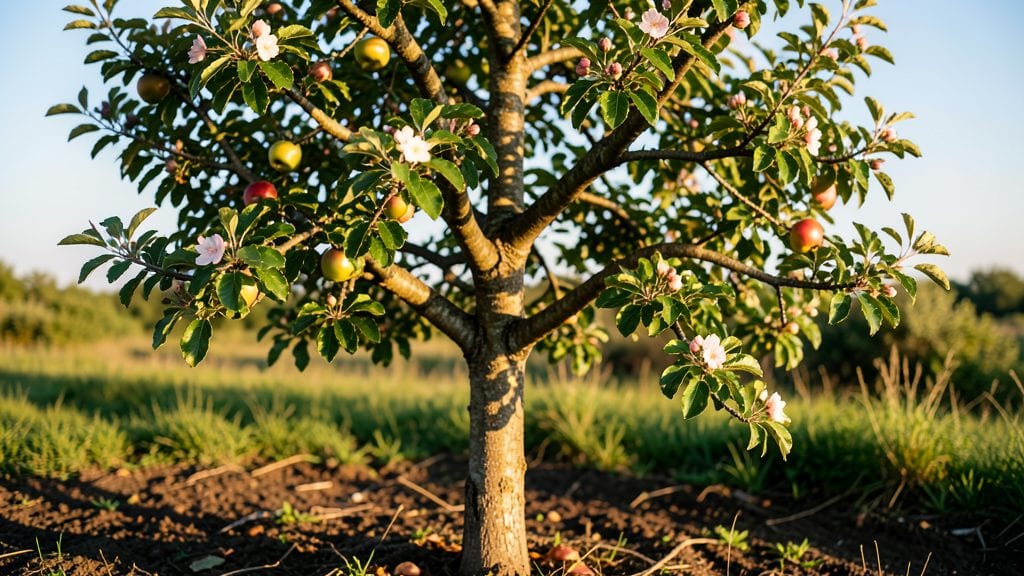
Apple tree gardening rewards you with sweeter-than-store fruit—if you prune right. ✨ I’ve spent years perfecting my approach, and the key is treating pruning like a year-round conversation with your tree, not just a seasonal chore.
The right cuts now mean fewer diseases, stronger branches, and bushels of fruit in just a few seasons.
Start with a sunny spot and well-draining soil—apple trees need at least 6 hours of sunlight daily and hate soggy roots. When planting, dig a hole twice as wide as the root ball but no deeper, then water deeply to settle the soil.
The first pruning happens right after planting to remove any damaged branches and open the center for airflow. This isn’t just about shaping; it’s about setting up your tree to fight pests and diseases naturally.
By summer, you’ll be thinning out crowded branches to let sunlight reach the core, and in late winter, you’ll make the bold cuts that shape the tree’s future. The result?
A strong, productive tree that bears fruit reliably year after year. Even if you’ve never pruned before, these steps will have you confidently wielding those shears in no time.
Works for dwarf varieties in containers or full-sized trees in the backyard—just adjust the tools and timing. Let’s get your apple tree on the path to a lifetime of harvests.
📚 In This Guide
- What you need
- Instructions
- Tips and common mistakes
- Wrapping up and next steps
What you need
- ● Pruning shears: Sharp, bypass-style shears (for cuts Pro tip: 💡 Sanitize with rubbing alcohol between cuts to prevent disease!
- ● Loppers: For branches ½–2 inches thick (look for bypass blades for clean cuts).
- ● Pruning saw: For branches >2 inches thick (avoid cheap, dull saws—they tear wood!).
- ● Gloves: Heavy-duty, cut-resistant gloves (apple trees have thorns!).
- ● Ladder: Sturdy, extendable ladder (for taller trees—safety first!).
- ● Disinfectant: 70% isopropyl alcohol or a 10% bleach solution (1 part bleach to 9 parts water).
- ○ Pruning sealant: Optional but helpful for wounds >½ inch wide (use tree wound paint or beeswax).
- ● Know your tree’s age: Young trees (light pruning (focus on shaping). Mature trees require structural pruning.
- ● Pruning schedule: Plan for 4 key times: Late winter (dormant season—main pruning).
- ● Spring (remove water sprouts and dead wood).
- ● Summer (light thinning to improve airflow).
- ● Fall (cleanup cuts and remove diseased branches).
- ● Weather check: Prune on dry, calm days (avoid rainy or windy conditions).
- ● Safety gear: Safety glasses (in case of debris) and long sleeves/pants (protection from thorns and sun).
- ● Pole pruner: For high branches (extendable up to 20–30 feet).
- ● Tree bag: Mesh bag to collect pruned branches (reduces mess!).
- ● Pruning guidebook: A visual reference for cuts (e.g., “Open Center” vs. “Central Leader” shapes).
- ● Compost bin: For recycling small pruned branches (nutrient-rich for your garden!).
Step-by-step guide to year-round apple tree pruning
Here’s how I keep my apple trees thriving with simple, seasonal pruning that guarantees strong branches and abundant fruit.
✂️ Step 1: Winter Pruning (Dormant Season)
Start in late winter, just before buds swell but before new growth begins. This is the best time to remove dead, diseased, or crossing branches that could choke your tree. I grab my pruning saw and sterilized pruning shears and look for branches that are rubbing against each other or growing inward—they’ll compete for sunlight and weaken the tree.
Make cuts just outside the branch collar, the swollen area where the branch meets the trunk. Avoid leaving stubs, as they invite disease. If a branch is larger than ½ inch thick, use the saw to make a clean cut at a slight angle. After each cut, wipe the shears with rubbing alcohol to prevent spreading any hidden pathogens.
☀️ Step 2: Summer Pruning (Growth Season)
In mid-to-late summer, focus on shaping the tree and encouraging airflow. I look for suckers (shoots growing from the base or trunk) and water sprouts (fast-growing vertical branches). These steal energy from fruit production. Use your pruning shears to trim them back to a leaf bud or side branch.
Also, thin out crowded branches to improve sunlight penetration. Aim to leave 6-8 inches of space between branches. This step prevents fungal issues and helps fruit ripen evenly. If you see any branches with signs of disease (like black spots or oozing sap), remove them immediately and sterilize your tools again.
🌿 Step 3: Post-Harvest Cleanup (Fall)
After apples are picked, inspect the tree for any remaining fruit, leaves, or debris. These can harbor pests and diseases over winter. I rake up fallen leaves and fruit, then give the tree a final once-over with my pruning shears, trimming any small branches that might have been missed earlier.
This is also a great time to check for cankers (sunken, dead spots on branches). If you find any, prune them out and paint the cuts with pruning sealant to protect the tree. Don’t skip this step—it keeps your tree healthy and ready for next year’s growth.
⏰ Step 4: Light Pruning in Early Spring
As buds begin to swell in early spring, do a quick check for any winter damage or dead branches. Use your pruning shears to remove anything that looks frozen or brittle. This light pruning helps the tree focus its energy on new growth rather than repairing damage.
Watch for silver leaf disease (a fungal infection that turns leaves silvery). If you see it, prune infected branches immediately and sterilize your tools. Avoid heavy pruning now—save the major work for winter. Just keep the tree tidy and open to airflow.
Tips & tricks for apple tree pruning success
Mastering seasonal pruning transforms your apple tree from a struggling shrub to a fruit-bearing powerhouse. Here's what I've learned after years of trial and error—these tricks will keep your tree thriving.
Timing is Everything: Late winter pruning (just before buds swell) is critical because the tree is dormant but not yet stressed. I always check the weather forecast—prune on a dry day with temperatures above freezing to prevent shock. If you miss winter, don't skip summer pruning entirely, but focus only on removing suckers and water sprouts that compete with fruit production.
Cutting Technique Matters: The branch collar is your guide—never cut flush with the trunk. Make clean cuts just outside this swollen area to prevent disease entry points. For branches over ½ inch thick, use your pruning saw at a slight angle to avoid tearing the bark. I've seen too many trees develop cankers from improper cuts, so take your time here.
Tool Sanitation Prevents Disaster: Sterilizing your pruning shears between cuts is non-negotiable. I keep rubbing alcohol in a small spray bottle by my tool belt and wipe down blades after every 3-5 cuts, especially when dealing with diseased branches. This simple step has saved my trees from multiple fungal infections over the years.
Seasonal Focus Strategy: Each season serves a different purpose. Winter is for major structural work, summer focuses on growth control, fall is about cleanup, and spring is just a light maintenance check. I keep a small pruning journal noting what I remove each season—this helps me spot patterns in my tree's growth habits over time.
Pro Tips for Apple Tree Gardening
- Mastering seasonal pruning transforms your apple tree from a struggling shrub to a fruit-bearing powerhouse. Here's w...
- Timing is Everything: Late winter pruning (just before buds swell) is critical because the tree is dormant but not ye...
- Cutting Technique Matters: The branch collar is your guide—never cut flush with the trunk. Make clean cuts just outsi...
Frequently asked questions
Got questions about keeping your apple tree thriving with year-round pruning? Here are some of the most common ones—plus straightforward answers to help you grow like a pro!
When is the best time to prune an apple tree?
Prune apple trees in late winter or early spring (before buds swell) for major shaping. Light pruning can happen in summer to remove suckers or water sprouts, but avoid heavy cuts then. Never prune in fall—it invites disease and pests before winter dormancy.
Can I prune apple trees in winter?
Yes, but only if it’s dormant season (late winter, after the coldest months). Avoid pruning in freezing temps—wait until temperatures rise above 40°F (4°C). Cold weather stresses the tree, and sap flow slows, making cuts heal poorly.
What should I do if my pruned branches look diseased?
If you spot blackened, oozing, or fungal growth on cuts, sterilize tools with 70% rubbing alcohol or bleach water (1 part bleach to 9 parts water). Remove infected branches below the damage and dispose of them in sealed bags. Apply copper fungicide to open wounds.
Will pruning reduce my apple harvest?
Not if done right! Proper pruning increases fruit quality and yield by improving airflow and sunlight. Over-pruning (removing >25% of foliage) can cut production, but strategic cuts open the canopy, letting fruit grow larger and healthier. Less is more—focus on structure!
What’s the difference between “heading back” and “thinning out”?
| Heading Back | Thinning Out |
|---|---|
| Cutting partway back on a branch to encourage bushier growth. | Removing a whole branch back to its origin or a side branch. |
| Best for young trees or shaping. | Best for older trees or opening the canopy. |
Pro Tip:
Mark branches to prune with flagging tape before winter—it’s easy to forget which ones need attention!
Wrapping up and next steps
Growing a thriving apple tree is all about patience, care, and a little know-how—especially when it comes to year-round pruning. By mastering the art of trimming at the right times, you’ll encourage stronger branches, better fruit production, and a healthier tree for decades to come. 🍏✨
Now that you’re armed with the when, why, and how of pruning, it’s time to roll up your sleeves!
Start small—even a single branch trimmed with confidence is a step toward a bountiful harvest. Your next step? Pick a calm day, grab your tools, and give your apple tree the love it deserves. Happy gardening! 🌿💪