
Tools
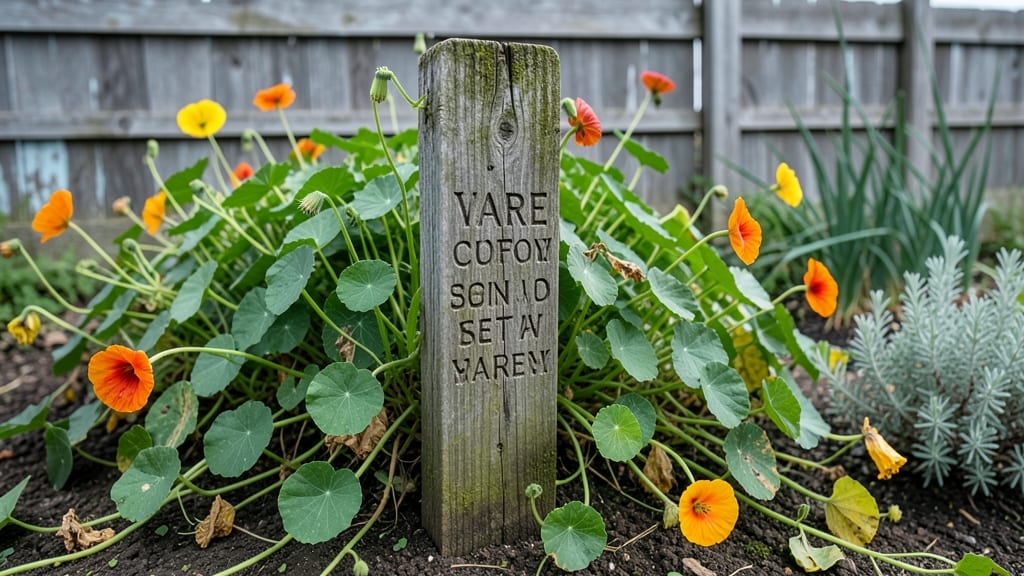
Gardening inspiration quotes blend wisdom from master gardeners and nature writers to spark motivation, helping you cultivate both plants and patience through every growing season.
These quotes act like a mental fertilizer for your gardening journey, turning challenges into opportunities for growth. 🌱 Many of the most powerful ones come from figures like Luther Burbank, who saw plants as living teachers, or Gertrude Jekyll, whose words remind us that gardens are both art and science.
What makes them special is how they connect to real-world practices—like pairing patience-themed quotes with slow-growing perennials or using resilience-focused sayings during tough seasons.
You'll find these quotes work best when they feel personal. I like framing them near my rosemary bushes as a daily reminder that growth takes time, or writing them in my garden journal before planting season.
The key is letting the words inspire your approach, not dictate it—because every garden, and every gardener, has its own unique rhythm.
💡 In This Article
- Famous Gardeners and Their Timeless Plant Wisdom
- How to Use Inspirational Quotes in Your Garden
Famous gardeners and their timeless plant wisdom
Luther Burbank, the legendary plant breeder, believed plants were "teachers of patience" because they grow at their own pace.
His famous quote, "The greatest mistake you can make in life is to be continually fearing you will make one," reflects his approach to experimentation—failing 200 times before creating the Burbank potato. This mindset mirrors modern permaculture principles, where setbacks become lessons rather than dead ends. 🌱
Gertrude Jekyll, a pioneer of garden design, emphasized harmony between plants and their environment. She wrote, "The most beautiful gardens are those that are most natural," advocating for native species that thrive with minimal intervention.
Her color theory—using three primary colors in every border—still influences contemporary cottage gardens. Jekyll's work proves that beauty and functionality can coexist, much like today's sustainable landscapes that prioritize both aesthetics and ecology.
What makes these gardeners' wisdom so enduring is how their philosophies address universal gardening struggles. Burbank's resilience lessons apply when battling pests or unpredictable weather, while Jekyll's ecological focus aligns with modern organic practices.
Their words act as mental frameworks, helping gardeners reframe challenges as opportunities for creative problem-solving. For example, Jekyll's advice to "plant for the future" mirrors today's climate-adaptive gardening strategies.
Less-known figures like Beatrix Farrand, America's first landscape architect, offer equally valuable insights. She believed gardens should "express the spirit of the place," which translates to today's site-specific planting designs. Farrand's meticulous record-keeping—she sketched every plant's position—inspires modern garden journals where enthusiasts track growth patterns and seasonal changes.
Her precision teaches us that observation is just as important as action in gardening. ✨
These historical voices connect to contemporary gardening through their emphasis on seasonal rhythms. Burbank's winter experiments with seed preservation foreshadow today's seed-saving movements, while Jekyll's spring planting schedules align with modern succession planting techniques.
Their words remind us that gardening isn't just about the end result—it's about the process of learning, adapting, and growing alongside our plants.
The most powerful gardening quotes often contain measurable wisdom. Burbank's observation that "the art of growing is merely the art of observing" translates to modern practices like 10-minute daily soil checks during droughts.
Jekyll's advice to "use plants that will thrive in your climate" directly informs today's native plant selections, which require 30-50% less water than non-native species. These connections prove that timeless wisdom isn't just poetic—it's practical science we can apply today. 💫