
Landscaping
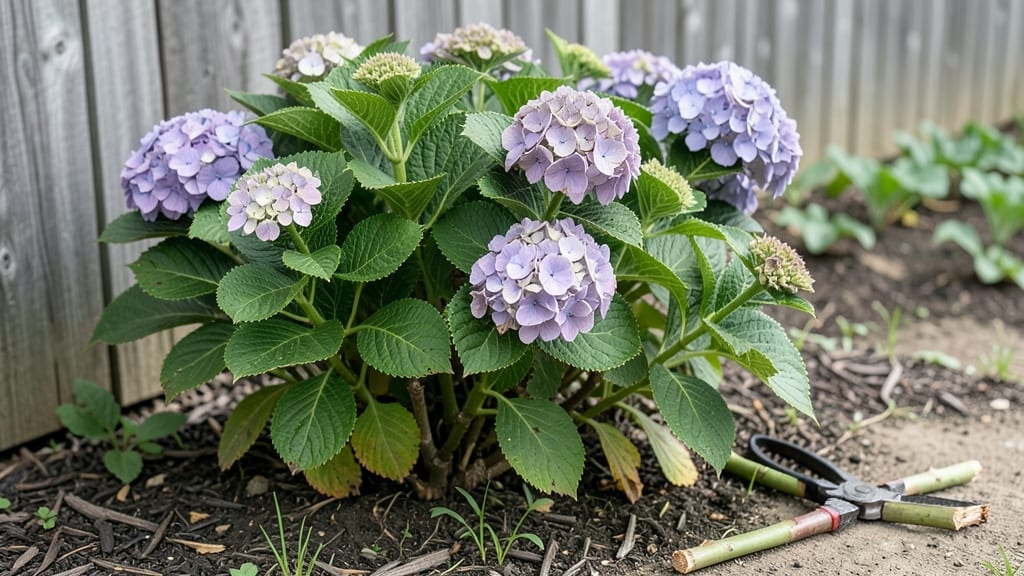
Creating an elegant garden design starts with layers that whisper sophistication year-round. ✨ My first garden was all about bold colors—until I realized timeless elegance comes from quiet harmony, where each season reveals something new without shouting.
The trick is blending evergreens for structure with seasonal blooms that fade into the background when they're done.
Think of it like a well-tailored outfit: symmetry in the hardscaping (a curved path, a perfectly placed bench) anchors the look, while plants provide the texture. I use three layers—tall structural plants at the back, mid-height shrubs for depth, and low-growing perennials to fill gaps.
This creates movement without chaos, and the color shifts naturally as flowers bloom and fade.
What you end up with is a space that feels polished in spring, lush in summer, and still striking in winter when the last of the berries catch the light. The key is choosing plants that mature at different times—like early-blooming hellebores followed by late-summer asters—so there’s always something interesting.
Even a small yard can pull this off with the right proportions.
Adapt this to your climate by swapping heat-loving plants for cold-hardy ones—just keep the same layering principle. The result? A garden that looks intentional, not just planted. Ready to start layering?
📚 In This Guide
- What you need
- Instructions
- Tips and common mistakes
- Wrapping up and next steps
What you need
- ● Soil & Mulch: High-quality topsoil (2–3 cubic yards, depending on garden size)
- ● Organic mulch (cedar or hardwood, 2–3 bags)
- ● Plants & Shrubs: Perennials (e.g., Hosta, Hellebore, Peony – 5–10 plants)
- ● Seasonal annuals (e.g., Tulips, Dahlias, Marigolds – 10–15 plants)
- ● Evergreen shrubs (e.g., Boxwood, Holly – 3–5 plants)
- ● Ornamental grasses (e.g., Fountain Grass, Miscanthus – 3–5 clumps)
- ● Hardscaping: Gravel or decomposed granite (1–2 cubic yards)
- ● Pavers or flagstone (quantity based on pathways; ~50–100 sq. ft.)
- ● Garden edging (metal or plastic, 50–100 ft. length)
- ● Shovel & spade (1 each)
- ● Garden rake (1)
- ● Pruners (bypass or anvil, 1–2 pairs)
- ● Wheelbarrow (1)
- ● Measuring tape (25 ft.)
- ● Level (for hardscaping)
- ● String line & stakes (for layout)
- ○ Optional: Hose with adjustable nozzle, leaf blower, or garden cart
- ● ✅ Site Assessment: Measure sunlight/shade exposure and soil type.
- ● ✅ Permits: Check local regulations for hardscaping or structural changes.
- ● ✅ Budget: Allocate funds for materials, plants, and potential professional help.
- ● ✅ Seasonal Timing: Plan for planting zones (spring/fall for perennials, summer for annuals).
Instructions for crafting a timeless layered garden layout
Here’s how to build depth and seasonal flow with intentional plant groupings and structural elements.
🌿 Step 1: Define the Backbone With Structural Plants
Begin by selecting 4 tall, architectural plants—think boxwoods, ornamental grasses, or small evergreens—to anchor each corner of your design. These will serve as vertical pillars that frame the space and provide year-round structure. Space them 8-10 feet apart to create a balanced foundation before adding layers.
I like to use dwarf conifers or hydrangeas for this role—they hold their shape through winter and provide a lush backdrop for seasonal blooms. Dig holes twice as wide as the root ball and just as deep, then backfill with native soil mixed with 1 part compost to encourage root expansion.
🌱 Step 2: Layer Mid-Height Plants for Texture and Seasonal Interest
Now fill the middle ground with 4-6 mid-height plants—shrubs like abelia, spirea, or dwarf ninebark—placed 3-4 feet in front of your structural anchors. These should be spaced 4-5 feet apart to allow airflow and prevent overcrowding as they mature. Choose varieties with contrasting foliage (silver, purple, or variegated) to add visual depth.
Here’s the thing—seasonal bloomers matter. Pair evergreen shrubs with deciduous ones that flower in spring (like azalea) and again in fall (like virburnum). For example, a purple-leaf beebalm beside a silver-and-green dusty miller creates a striking contrast that evolves over time.
☀️ Step 3: Weave in Perennials for Seasonal Color Transitions
Now it’s time for the seasonal color drama. Select 4 clusters of perennials—each cluster should include 3-5 plants—to fill the gaps between mid-height shrubs. Group them by bloom time: early spring (heuchera, bleeding heart), summer (coneflowers, black-eyed susans), and fall (sedum, asters). Space these clusters 18-24 inches apart for a natural, full look.
I always plant perennials in odd-numbered groupings—it feels more organic and balanced. For example, a trio of purple coneflowers surrounded by silver lamb’s ear creates a focal point that shifts from summer blooms to winter texture. Mulch with 2-3 inches of shredded bark to retain moisture and suppress weeds while keeping the bed tidy.
✂️ Step 4: Add Finishing Touches With Ground Covers and Accents
Fill the remaining space with ground covers—like creeping thyme, ajuga, or sedum—to tie everything together. These should spill gently over edges and fill gaps between larger plants. For contrast, add 4-6 accent plants (like ornamental grasses or hostas) in unexpected spots to draw the eye and create movement.
Finally, incorporate 3-4 hardscape elements—whether it’s a stone path, decorative pots, or a simple trellis—to define pathways and add structure. A curved stone edge around a perennial bed, for instance, softens the transition between lawn and garden while keeping plants contained.
⏰ Step 5: Plan for Year-Round Visual Flow
Step back and evaluate your design in each season. Adjust by adding winter interest plants (like ornamental grasses or evergreen shrubs) if gaps appear in cold months. Prune back overgrown perennials in early spring before new growth emerges, and deadhead spent blooms throughout summer to encourage continuous flowering.
Real talk: Lighting matters. Install solar-powered path lights along walkways and spotlights to highlight key plants at night. A well-lit garden extends its elegance into evening hours and creates a magical transition between day and night.
Tips & tricks for timeless garden layering
Creating a layered garden that evolves beautifully through seasons takes thoughtful planning—and a few insider tricks to elevate your design from good to stunning.
Plant Selection Strategy: When choosing your 4 structural plants in Step 1, prioritize varieties with different growth rates. For example, pair a slow-growing boxwood with a faster-growing ornamental grass to create natural vertical progression. I’ve found that dwarf conifers and hydrangeas work beautifully together—their contrasting textures create visual interest year-round.
Seasonal Layering Technique: In Step 3, when arranging your perennial clusters, think about height progression from back to front. Place taller perennials (like black-eyed susans) at the rear of each cluster, then step down to medium-height (like coneflowers) in the middle, and finish with low-growing (like heuchera) at the front. This creates a natural waterfall effect that draws the eye deeper into your garden.
Hardscape Integration: Don’t overlook the power of 3-4 hardscape elements in Step 4. A curved stone edge around your perennial beds adds subtle sophistication while defining plant groupings. For a cohesive look, choose stones that complement your structural plants’ color palette—warm tones with golden grasses, cool tones with silver foliage. This creates visual harmony that ties your entire design together.
Maintenance Secret: In Step 5, implement a seasonal pruning schedule to keep your garden looking its best with minimal effort. Prune overgrown perennials in early spring before new growth appears, and deadhead spent blooms throughout summer to encourage continuous flowering. I also recommend adding 2-3 inches of shredded bark mulch annually to suppress weeds and maintain moisture—this single step saves hours of maintenance each season.
Pro Tips for Elegant Garden Design
- Creating a layered garden that evolves beautifully through seasons takes thoughtful planning—and a few insider tricks to elevate your design from good to stunning.
- Plant Selection Strategy: When choosing your 4 structural plants in Step 1, prioritize varieties with different growth rates.
- Seasonal Layering Technique: In Step 3, when arranging your perennial clusters, think about height progression from back to front.
Frequently asked questions
Got questions about crafting an elegant garden design that wows year-round? You’re not alone! Here are answers to the most common queries—from practical tips to seasonal secrets.
What’s the best time of year to start planning an elegant garden?
Spring (March–May) is ideal for planting perennials and shrubs, while fall (September–November) offers cooler temps for bulbs and lawn seeding. For timeless designs, sketch your layout in winter—when plants are dormant—and order materials early to avoid shortages. Pro tip: Start small! Focus on one "anchor" feature (like a fountain or trellis) to build around.
How long does it take to see a fully realized elegant garden?
Patience is key! A low-maintenance design with perennials and structural plants (e.g., boxwood hedges) may show progress in 1–2 years, while annuals and seasonal blooms deliver instant color. Layering (trees → shrubs → perennials → annuals) creates depth faster. For a showstopper in 1 year, prioritize evergreens, bold foliage, and fast-growing climbers like Clematis.
Are there budget-friendly ways to achieve an elegant look?
Skip expensive hardscapes (like stone patios) and opt for mulch paths or gravel. Use thrifted containers, mix heirloom plants with affordable perennials (e.g., Coneflower or Black-Eyed Susan), and DIY trellises with reclaimed wood. Focus on texture and height variation—tall grasses and ornamental grasses (like Miscanthus) add drama for pennies!
How do I keep my garden looking elegant through all four seasons?
Design for seasonal color transitions! Plant evergreens (e.g., Holly or Juniper) for winter structure, spring bulbs (tulips, daffodils), summer bloomers (hydrangeas, roses), and fall foliage (maples, Japanese Anemone). Add ornamental grasses for movement and winter interest. Swap out annuals every 6–8 weeks to refresh colors without replanting perennials.
What’s the biggest mistake people make in elegant garden design?
Overcrowding! Avoid planting too closely—it stifles growth and invites pests. Leave 3–5 feet between shrubs and 1–2 feet between perennials (check mature plant sizes!). Another pitfall? Ignoring scale: A 6-foot tree near a tiny bench looks chaotic. Use proportion guides (like your arm’s length) to test spacing before planting.
| Quick Fixes for Common Issues | Solution |
|---|---|
| Leggy plants | Prune in early spring, add mulch, and plant shade-tolerant companions (e.g., Ajuga under trees). |
| Weeds taking over | Layer 3+ inches of mulch (cedar or pine) and use living mulches like clover. |
| Dull winter garden | Add bark mulch in warm tones (e.g., red cedar) and plant winter berries (e.g., Winterberry Holly). |
Wrapping up and next steps
Creating an elegant garden design is all about blending timeless layers with the ever-changing beauty of seasonal color transitions. Whether you’re incorporating lush perennials, structured hedges, or delicate annuals, the key lies in thoughtful planning and a touch of creativity.
Your garden can become a serene sanctuary that evolves gracefully throughout the year—one season at a time!
Ready to bring your vision to life? Start small—sketch a layout, gather inspiration, and take that first step toward crafting a garden that’s as elegant as it is functional. Your outdoor oasis awaits! 🌸✨