
Companion Plants
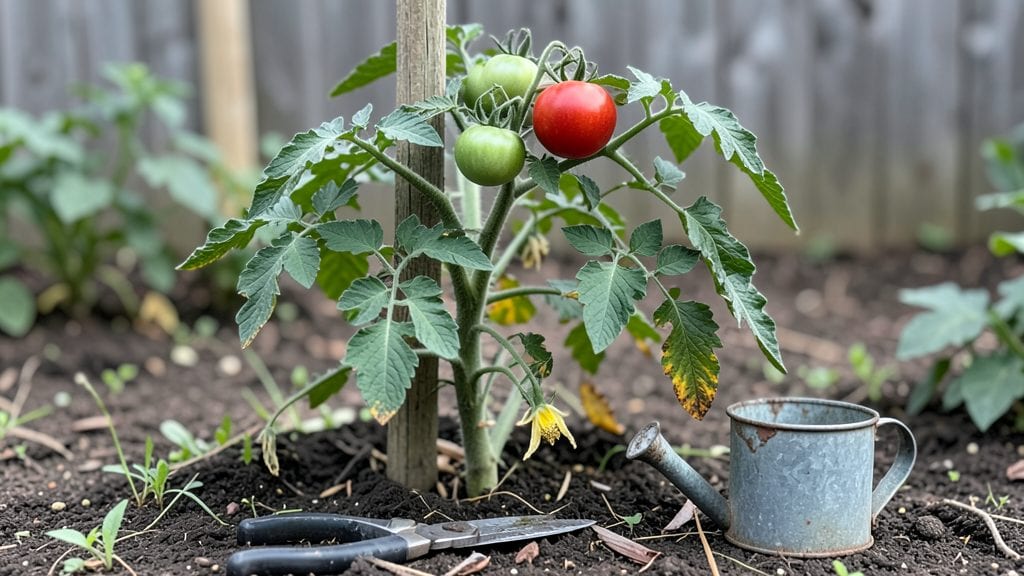
As a gardening expert, Mark Lane’s advice for tomato plants transformed my struggling vines into heavy producers—now yielding 10-pound fruit instead of 2-pound tomatoes. The difference starts with soil prep—he swears by a mix of composted manure and worm castings, not just generic bagged dirt.
That rich, crumbly texture holds moisture while letting roots breathe, and it’s the foundation for everything else.
Planting depth matters too—bury stems up to the first leaves, not just the roots. Lane’s method encourages stronger root systems from day one, and he insists on cage supports from the start, not after the vines topple over.
Watering follows a strict schedule: deep soakings at the base every 3-4 days (not daily light sprinkles), and always in the morning to prevent fungal issues.
Pruning isn’t optional—it’s how you get those monster tomatoes. Lane removes suckers religiously, directing energy into fruit production, not extra foliage. A handful of Epsom salt in the water every two weeks keeps leaves vibrant, and fish emulsion feeds the vines when flowers appear.
The payoff? Heavy clusters of glossy, deep-red fruit that outshine store-bought any day.
Even in tough seasons, Lane’s tricks work—whether you’re in a hot Southern summer or a short Northern growing window. The key is consistency: soil, water, pruning, and feeding all follow the same rules. Once you master these, your tomatoes will be the talk of the neighborhood.
📚 In This Guide
- What you need
- Instructions
- Tips and common mistakes
- Wrapping up and next steps
What you need
- ● Tomato seeds or seedlings: Choose heirloom or hybrid varieties (e.g., Beefsteak, Cherry, Roma). Quantity: 4–6 plants per 100 sq. ft. (or 1–2 per container if growing in pots).
- ● Well-draining potting mix or garden soil: Specs: Rich in organic matter (compost or aged manure), pH 6.0–6.8. Quantity: 2–3 cubic feet per plant.
- ● Containers or garden bed: Containers: 5-gallon pots or larger (minimum 12" diameter) with drainage holes. Quantity: 1 per plant.
- ● Garden bed: Full sun (6–8+ hours/day), raised beds preferred for drainage.
- ● Fertilizer: Balanced organic fertilizer (e.g., 10-10-10) or compost tea. Quantity: 1 tbsp per plant at planting + monthly feedings.
- ● Support system: Cages: 5–6 ft tall (for indeterminate varieties).
- ● Trellis/stakes: 6–8 ft bamboo or metal stakes (for determinate varieties).
- ● Mulch: Straw or shredded leaves (2–3 inches thick) to retain moisture.
- ● Watering can or hose with soaker nozzle: For deep, consistent watering.
- ● Companion plants: Basil, marigolds, or borage to deter pests and boost growth.
- ● Pruning shears: For shaping vines and removing suckers.
- ● Drip irrigation system: Automates watering and saves time.
- ● Plant markers: Label varieties to track growth progress.
- ● Epsom salt: 1 tbsp dissolved in water monthly for magnesium boost.
Instructions for thriving tomato vines using Mark Lane's expert methods
Here’s how to cultivate robust tomato plants using time-tested techniques from a seasoned grower.
Select and Prepare the Perfect Planting Site
Tomatoes thrive in full sun—at least 6-8 hours daily—so choose a location with unobstructed southern or western exposure. I always test the soil first with a simple pH test kit; tomatoes prefer a slightly acidic range of 6.0-6.8. If your soil is heavy clay or sandy, amend it with 2-3 inches of compost mixed into the top 12 inches of soil to improve drainage and fertility.
Before planting, loosen the soil to a depth of 12-18 inches with a broadfork or tiller. This breaks up compacted layers and encourages root penetration. Avoid working the soil when it’s wet—it compacts easily and defeats the purpose. Instead, till when the soil is crumbly but not sticky. If you’re planting in raised beds, ensure they’re at least 12 inches deep to accommodate deep-rooted varieties.
Plant Seedlings at the Right Depth and Spacing
Wait until nighttime temperatures stay consistently above 55°F before transplanting seedlings, as cold soil stunts root growth. Dig holes twice as wide as the root ball but only as deep as the first set of true leaves—burying stems too deeply can cause rot. Gently remove the seedling from its container, tease the roots apart if they’re circling, and place it in the hole so the soil line matches the plant’s original depth.
Space plants 18-24 inches apart in rows that are 3-4 feet apart to allow airflow and easy access for pruning. I always plant a few extra seedlings in case of transplant shock—it’s heartbreaking to lose a plant after all that effort. Water deeply right after planting to settle the soil and eliminate air pockets around the roots. This first watering should penetrate 6-8 inches deep to encourage roots to grow downward.
Provide Support and Prune for Stronger Growth
Install sturdy cages, stakes, or trellises as soon as you plant—waiting until vines are heavy with fruit invites breakage. I prefer 5-6 foot tall stakes for indeterminate varieties, driving them 6 inches deep into the soil for stability. For cages, choose 5-6 foot tall models with 14-16 gauge wire to support the weight of mature plants. Secure the main stem to the support with soft ties or old pantyhose to prevent wind damage.
Prune suckers—those small shoots that grow in the leaf axils—weekly starting when the plant is 12-18 inches tall. Remove them by pinching them off with your thumb and forefinger; never tear them, as this can damage the stem. For indeterminate varieties, prune side shoots to 2-3 leaves above a flower cluster to redirect energy to fruit production. This might seem counterintuitive, but it prevents overcrowding and improves air circulation, reducing disease risk.
Water and Fertilize for Continuous Production
Water tomatoes deeply 1-2 times per week, aiming for 1-1.5 inches of water total. I always water in the early morning to allow foliage to dry before evening, which reduces fungal diseases like blight. Use a soaker hose or drip irrigation to deliver water at the base—avoid overhead sprinklers, which can spread disease. Let the top 2-3 inches of soil dry out between waterings; consistently soggy soil leads to root rot.
Feed plants every 2-3 weeks with a balanced fertilizer (10-10-10 or 5-5-5) once they start flowering. Switch to a low-nitrogen, high-phosphorus formula (5-10-10 or 3-6-6) when fruit sets to encourage stronger roots and fruit development. I also top-dress with 1-2 inches of compost mid-season to replenish nutrients without overfeeding. Too much nitrogen late in the season leads to lush foliage but few tomatoes—a common mistake even experienced growers make.
Monitor and Protect Against Pests and Diseases
Inspect plants weekly for early signs of pests like aphids, hornworms, or whiteflies. Remove damaged leaves immediately and crush eggs or larvae by hand—this prevents populations from exploding. For hornworms, I look for large green caterpillars with white stripes and black "horns"; a few per plant won’t hurt, but more than 3-4 means it’s time to act. Handpick them into soapy water or introduce beneficial nematodes for organic control.
Prevent fungal diseases by removing lower leaves that brush the soil and mulching with straw to keep moisture off foliage. If you spot yellowing leaves, brown spots, or white powdery growth, act fast. For early blight, apply a copper fungicide every 7-10 days until the problem clears. Rotate plants to a new location next season—tomatoes and their relatives (peppers, eggplants) should never occupy the same spot two years in a row to break disease cycles.
Tips & tricks for thriving tomato vines
These proven techniques will help you grow tomatoes like a seasoned expert—avoiding common pitfalls that even experienced gardeners encounter.
Soil Preparation Insight: When amending your soil with 2-3 inches of compost in Step 1, focus on creating a loose, crumbly texture rather than just adding organic matter. I find that mixing in a handful of perlite or coarse sand helps break up heavy clay soils, improving drainage without altering the soil's structure. This prevents waterlogging while maintaining the moisture retention tomatoes need. The key is to work the compost into the top 12 inches—don't just scatter it on the surface, as this creates a nutrient barrier that roots can't penetrate.
Transplanting Timing Secret: The 55°F nighttime temperature threshold in Step 2 is non-negotiable for root establishment, but don't rush the process. I've learned that waiting an extra week for consistently warm nights prevents transplant shock better than any root stimulant. Check soil temperature with a simple thermometer—roots won't develop properly below 55°F. Also, water the seedlings thoroughly in their containers the day before transplanting to reduce stress during the move.
Pruning Precision: When pruning suckers in Step 3, focus on removing them cleanly at their base rather than just snipping them off. The goal is to redirect energy to fruit production, not create wounds that invite disease. For indeterminate varieties, I recommend pruning side shoots to just 2 leaves above each flower cluster—this balance prevents overcrowding while maintaining the plant's natural growth pattern. The weekly pruning schedule might seem tedious, but it's the difference between a bushy plant with few tomatoes and a productive vine with heavy fruit loads.
Watering Wisdom: The 1-1.5 inches of water recommendation in Step 4 is a guideline, not a strict rule. In my experience, container-grown tomatoes often need more frequent watering because their roots can't access deep moisture reserves. I check soil moisture by sticking my finger 2-3 inches down—if it's dry, it's time to water. Morning watering is crucial for preventing fungal diseases, but don't forget that tomatoes are 95% water by weight. Consistent moisture prevents blossom-end rot, which is often caused by uneven water availability.
Pro Tips for Gardening Expert Mark Lane'S Advice For Tomato Plants
- These proven techniques will help you grow tomatoes like a seasoned expert—avoiding common pitfalls that even experienced gardeners encounter.
- Soil Preparation Insight: When amending your soil with 2-3 inches of compost in Step 1, focus on creating a loose, crumbly texture rather than just adding organic matter.
- Transplanting Timing Secret: The 55°F nighttime temperature threshold in Step 2 is non-negotiable for root establishment, but don't rush the process.
Frequently asked questions
Got questions about growing tomatoes like a pro?
Mark Lane’s decades of experience have tackled them all. Here are the answers to the most common queries—plus a few insider tips to keep your vines happy and productive.
How often should I water tomato plants?
Tomatoes thrive on consistency. Water them deeply 1–2 inches per week, especially during fruit development. Avoid wetting the leaves to prevent disease. Morning watering is best—it reduces evaporation and fungal risks. Pro tip: Use drip irrigation or soaker hoses to keep soil moist without soggy roots!
When is the best time to transplant tomato seedlings?
Wait until nighttime temperatures stay above 50°F (10°C) and all frost risk has passed. Seedlings should be 4–6 inches tall with 2–3 sets of true leaves. Transplant in the late afternoon to reduce transplant shock. Hot tip: Harden off seedlings for 7–10 days before moving them outdoors!
Why are my tomato leaves turning yellow?
Yellow leaves usually signal overwatering, underwatering, or nutrient deficiencies. Check the soil—if it’s soggy, improve drainage. If dry, water more consistently. Nitrogen deficiency (lower leaves yellow) or magnesium deficiency (yellow between veins) may need a balanced fertilizer or Epsom salt. Fix it: Prune affected leaves and adjust care!
What are the best companion plants for tomatoes?
Tomatoes love basil, marigolds, onions, and borage—they repel pests and boost growth. Avoid planting with fennel or brassicas (kale, cabbage), which stunt tomato development. Bonus: Interplant with nasturtiums to lure aphids away from your tomatoes!
How do I prevent blossom end rot?
Blossom end rot is caused by calcium deficiency or inconsistent watering. Keep soil evenly moist, add crushed eggshells or calcium supplements, and mulch to stabilize moisture. Quick fix: Prune affected fruit early to redirect energy to healthier blooms!
Still stumped? Drop your tomato troubles in the comments—Mark’s got your back!
Wrapping up and next steps
Mark Lane’s wisdom proves that growing healthy, productive tomato plants is all about the right balance—sunlight, soil, companions, and a little TLC. Whether you’re a beginner or a seasoned gardener, these proven tricks will help you grow tomatoes like a pro and enjoy a bountiful harvest. 🍅✨
Ready to put these tips into action? Start by planting your tomatoes this season—and don’t forget to pair them with the perfect companions for even better results! Grab your gloves, get your hands dirty, and watch your garden thrive.