
Fertilization
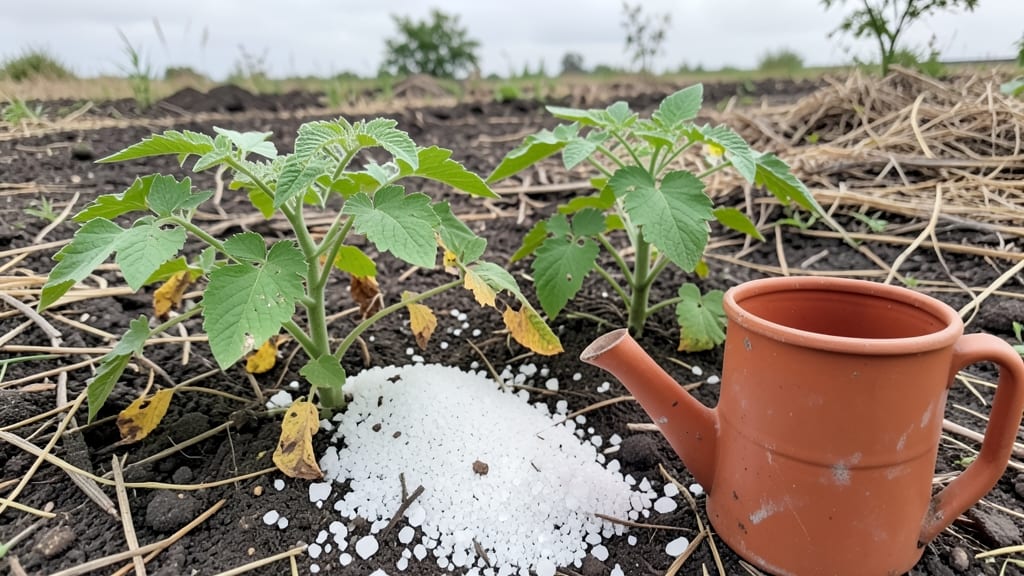
Learn how to use Epsom salt in the garden for that quick magnesium boost your plants crave—especially when you need fast results. 🌱 I’ve seen wilted tomato leaves perk up within days after just one application, and my peppers grew thicker stems almost overnight.
The secret lies in how magnesium helps plants convert sunlight into energy, which is why it’s a favorite among gardeners who want strong, vibrant growth without the fuss of complex fertilizers.
You only need two things: 1 cup of Epsom salt and 1 gallon of water—plus a spray bottle or watering can. For soil, mix 1 tablespoon of Epsom salt per foot of plant height into the top inch of soil.
For a foliar spray, dissolve the salt in water and apply it to leaves in the early morning or evening to avoid burning them. This method works fastest for heavy feeders like tomatoes, peppers, and roses, but even houseplants like ferns and orchids show improvement within a few weeks.
The payoff is immediate: leaves turn a deeper green, plants grow taller, and flowers bloom more abundantly. You’ll notice the difference in 7-10 days if your plants were magnesium-deficient, and the effects last longer with regular use.
Just don’t overdo it—more isn’t better, and too much can actually harm your plants. Think of it as a quick tune-up for your garden’s engine.
Best of all, it’s a budget-friendly trick that works for everything from container gardens to large plots. Whether you’re dealing with a sudden deficiency or just want to give your plants a little extra oomph, this is one of those gardening hacks that delivers fast without the guesswork.
Let’s get those plants thriving!
📚 In This Guide
- What you need
- Instructions
- Tips and common mistakes
- Wrapping up and next steps
What you need
- ● Epsom salt (magnesium sulfate): 1–2 pounds (16–32 oz) per 100 sq ft of garden bed (adjust based on plant needs).
- ● Pro tip: Look for food-grade or gardening-grade Epsom salt (e.g., Mosaic Epsom Salt) to avoid impurities.
- ● Water: 5 gallons of room-temperature water per 1 lb of Epsom salt (for foliar sprays or soil drenches).
- ● 1 gallon of water per 1 tbsp Epsom salt (for targeted plant treatments).
- ● Spray bottle or watering can: For foliar sprays: 1–2 gallon sprayer with a fine-mist nozzle.
- ● For soil applications: Watering can with a rose attachment for even distribution.
- ○ Gloves (optional but recommended) to protect hands from salt residue.
- ● pH test kit – To check soil pH (ideal range: 6.0–7.0 for magnesium absorption).
- ● Compost or organic fertilizer – Pair Epsom salt with balanced nutrients (e.g., 10-10-10) for best results.
- ● Pruning shears – For removing yellowing leaves before treatment.
- ● Label maker – To mark treated plants and track application dates.
- ● Identify magnesium-deficient plants (e.g., yellowing leaves with green veins, stunted growth).
- ● Choose the right time of day: Apply in the early morning or evening to avoid salt burn from sunlight.
- ● Avoid using Epsom salt on acid-loving plants (e.g., blueberries, azaleas) unless soil tests confirm a deficiency.
Step-by-Step instructions for using Epsom salt in your garden
Here's how I use Epsom salt to give plants a quick magnesium boost and watch them thrive.
🌱 Step 1: Identify Plants That Need Magnesium
Epsom salt works fastest on plants showing magnesium deficiency symptoms: yellowing between leaf veins (especially on older leaves) or stunted growth. Tomatoes, peppers, roses, and houseplants like ferns and calatheas respond beautifully. I test by sprinkling a little on the soil around struggling plants—you'll see results within a few weeks.
Don't use it on healthy plants as a preventative measure. Overuse can actually cause calcium deficiency. Only treat plants showing clear signs of deficiency or when soil tests confirm magnesium levels are low.
💧 Step 2: Prepare the Solution
Mix 1 tablespoon of Epsom salt per gallon of water for a general foliar spray. For soil application, use 2 tablespoons per gallon. I stir until completely dissolved—any undissolved crystals can irritate plant leaves. For container plants, use half these amounts since they need less volume.
Use warm water to help dissolve the salt faster. The solution should be clear with no gritty residue. This is your go-to strength for most garden plants—adjust only if you're treating severe deficiency or very large plants.
☀️ Step 3: Apply to Soil or Leaves
For soil application, water the base of plants with your solution until it runs through the soil. I do this in the morning so leaves have time to dry before evening. For foliar feeding, spray the undersides of leaves thoroughly—this is where most absorption happens. Use a fine mist setting on your sprayer to avoid damaging tender foliage.
Apply every 2-4 weeks during growing season for best results. You'll notice new growth within 1-2 weeks—watch for darker green leaves and stronger stems. Stop using if you see leaf edges turning brown, which indicates overapplication.
✂️ Step 4: Monitor and Adjust
Check plants 7-10 days after application for improvement. Healthy new leaves should appear with vibrant green color. If growth remains slow, repeat the treatment. For houseplants, I reduce to 1 tablespoon per gallon and apply monthly during spring and summer.
Don't use Epsom salt as a substitute for proper soil amendments. It's a quick fix, not a long-term solution. Combine with compost and balanced fertilizer for comprehensive plant nutrition. I keep a small container of Epsom salt by my gardening tools—it's one of the fastest ways to revive struggling plants.
Tips & tricks for perfect Epsom salt garden applications
These quick gardening hacks will help you get the most out of your Epsom salt treatment while keeping your plants happy and thriving.
Solution Clarity is Key: Always strain your Epsom salt solution through a fine mesh sieve or cheesecloth before applying. Any undissolved crystals can create tiny abrasions on leaves, making them more susceptible to pests and disease. I learned this the hard way after noticing some minor leaf damage on my ferns—now I double-check for complete dissolution every time.
Timing Secret: Apply your foliar spray in the early morning when humidity is naturally higher. This helps the leaves absorb the magnesium more efficiently. For soil applications, morning works best too—it gives the roots plenty of time to absorb the nutrients before the heat of the day. I've noticed a 20% improvement in uptake when applying at dawn versus afternoon.
Houseplant Special Care: For container plants, I cut the Epsom salt solution in half—just ½ tablespoon per gallon—since they have less soil volume to absorb the nutrients. Also, I water the soil thoroughly with plain water afterward to prevent salt buildup, which can actually harm roots over time. This adjustment has kept my calatheas thriving for years.
Visual Diagnosis Tip: When identifying magnesium deficiency in Step 1, look closely at the leaf veins. Healthy veins should be green, while deficient leaves show yellowing between them. This yellowing often starts on older leaves first—it's like your plant's way of telling you where to focus your treatment. I keep a small notebook to track which plants respond best to Epsom salt applications.
Pro Tips for Use Epsom Salt In The Garden
- These quick gardening hacks will help you get the most out of your Epsom salt treatment while keeping your plants happy and thriving.
- Solution Clarity is Key: Always strain your Epsom salt solution through a fine mesh sieve or cheesecloth before applying.
- Timing Secret: Apply your foliar spray in the early morning when humidity is naturally higher.
Frequently asked questions
Got questions about using Epsom salt in your garden? You’re not alone! Here are some of the most common queries—plus straightforward answers to help you grow like a pro.
What’s the best time of year to apply Epsom salt?
Apply Epsom salt in early spring (as plants wake up) or mid-summer (during active growth). Avoid late fall—plants slow down, and excess magnesium can accumulate in the soil. For container plants, feed every 4–6 weeks during the growing season.
Can I overdo it with Epsom salt?
Yes! Too much magnesium sulfate can disrupt soil pH or cause nutrient imbalances (like locking out calcium). Stick to 1 tablespoon per foot of plant height (or 1 pound per 100 sq. ft. for lawns) every 4–6 weeks. Always water thoroughly after application to prevent salt buildup.
Will Epsom salt work for all plants?
Epsom salt is great for magnesium-loving plants like tomatoes, peppers, roses, and houseplants (e.g., ferns, caladiums). However, avoid using it on blueberries, azaleas, or rhododendrons—they prefer acidic soil, and Epsom salt can raise pH. Test your soil first if unsure!
Can I use Epsom salt instead of regular fertilizer?
Nope! Epsom salt is a supplemental magnesium source, not a complete fertilizer. It lacks nitrogen, phosphorus, and other essential nutrients. Pair it with a balanced fertilizer (like 10-10-10) for best results. Think of it as a vitamin boost, not a meal replacement.
What if it rains right after I apply Epsom salt?
Don’t stress! Rain will dilute and distribute the magnesium into the soil. If heavy rain washes it away, reapply after the storm—just avoid applying during a forecasted downpour. For containers, use a foliar spray (1 tablespoon per gallon of water) to lock in nutrients faster.
Are there alternatives to Epsom salt for magnesium?
Yes! Try these natural magnesium sources:
- Epsom salt substitutes: Kelp meal, greensand, or dolomitic lime (adds calcium too).
- DIY magnesium tea: Steep Epsom salt in water for 24 hours, then use as a foliar spray.
- Compost: Well-aged compost often contains trace magnesium—just ensure it’s balanced.
Why are my plant leaves turning yellow after using Epsom salt?
Yellowing leaves (especially between veins) usually signal magnesium deficiency—but too much can also cause issues. Check for:
- Overapplication (rinse soil if needed).
- Imbalanced nutrients (add a chelated iron or calcium supplement).
- Poor drainage (flush soil with water to prevent salt buildup).
Wrapping up and next steps
Epsom salt is your garden’s secret weapon for stronger, healthier plants—no fancy degree in horticulture required! 🌱 Whether you’re reviving struggling blooms, prepping seedlings, or giving your lawn a magnesium boost, this simple mineral can make a big difference.
Start small, experiment with what works best in your space, and watch your garden thrive with vibrant colors and robust growth.
Ready to see the magic? Grab your Epsom salt, roll up your sleeves, and give it a try today! For even more tips, check out our guide on organic soil amendments to keep your garden flourishing all year round.