
Plants
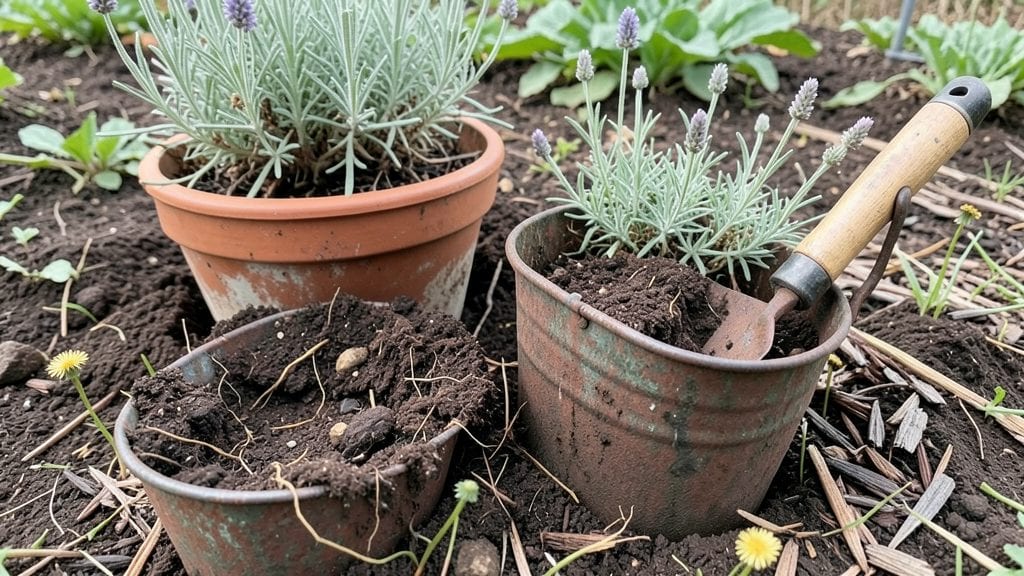
You can use garden soil for potting plants in small quantities, but it risks compacting roots, creating drainage issues, and introducing harmful pests or pathogens. Improve it by blending with perlite, sand, or compost for better aeration and nutrient balance—or opt for a pre-made potting mix instead.
Garden soil is heavy and dense, packed with clay particles that squeeze roots and trap excess moisture—leading to rot. 🌱 The problem isn't just drainage; it's also nutrient imbalance, since garden soil lacks the balanced organic matter found in potting mixes.
For example, adding coarse sand or perlite (up to 30% by volume) can transform compacted dirt into a breathable medium. I've seen houseplants thrive when garden soil is mixed 50/50 with coconut coir, which holds moisture without suffocating roots.
Even with amendments, garden soil may still harbor weed seeds or fungal spores lurking in the soil structure. That's why commercial potting mixes are sterilized and formulated specifically for container gardening—giving roots the ideal environment to grow without competition.
For delicate plants like orchids or succulents, I never risk garden soil at all; their needs are too specific for anything but lightweight, sterile mixes.
💡 In This Article
- Why Garden Soil Fails as Potting Mix
- Best Soil Mixes for Potted Plants
Why garden soil fails as potting mix
Garden soil is designed for outdoor planting, where roots can spread freely and excess water drains naturally into deeper layers. But in containers, the same dense composition becomes a problem. Most garden soils contain 20-40% clay particles, which pack tightly when wet, creating a suffocating environment for roots.
This compaction reduces oxygen availability by up to 50% compared to loose potting mixes, strangles root growth, and triggers anaerobic conditions that produce foul-smelling sulfur compounds.
The issue isn't just physical—it's chemical too. Garden soil often has uneven nutrient ratios, with excess nitrogen from decomposed organic matter that promotes leafy growth at the expense of roots.
Potting mixes, however, are formulated with balanced fertilizers and slow-release nutrients (like worm castings or sphagnum peat) that prevent nutrient burnout.
For example, a typical garden loam might test at 1-3% organic matter, while premium potting mixes contain 40-70% organic components by volume, ensuring steady nutrient availability without overloading plants.
Pathogen risks are another silent killer. Garden soil often harbors dormant fungal spores (like Phytophthora or Fusarium) and weed seeds that lie dormant until disturbed. When you repurpose garden soil for pots, these pathogens multiply in the confined, moist environment—ideal conditions for root rot.
Commercial potting mixes are heat-sterilized to 180°F (82°C), killing 99.9% of harmful microbes while preserving beneficial fungi and bacteria in controlled proportions.
Texture matters just as much as composition. Garden soil's particle distribution (typically 40% sand, 40% silt, 20% clay) creates a heavy, gummy medium when wet. Potting mixes, by contrast, use coarse perlite or vermiculite (2-5mm particles) to create air pockets that improve drainage by 30-40%.
This structural difference explains why a pot of geraniums in garden soil may wilt within days, while the same plant in a well-amended mix thrives for months.
Consider the sensory clues: Garden soil feels dense and cool to the touch when damp, while a good potting mix stays crumbly and warm. This tactile difference reflects the root environment—compacted soil restricts movement, while loose mixes allow roots to explore freely.
For instance, a 50/50 mix of garden soil and perlite might improve drainage, but it still lacks the microbial diversity of a sterile potting blend optimized for container growth.
What most gardeners overlook is how moisture behaves differently in each medium. Garden soil holds water like a sponge, while potting mixes release it gradually through capillary action.
This explains why plants in garden soil often need watering every 2-3 days (risking overwatering) versus every 7-10 days in a well-draining mix. The key difference? Potting mixes contain hydrophobic additives (like pine bark fines) that repel excess water while retaining moisture for roots.