
Vegetables
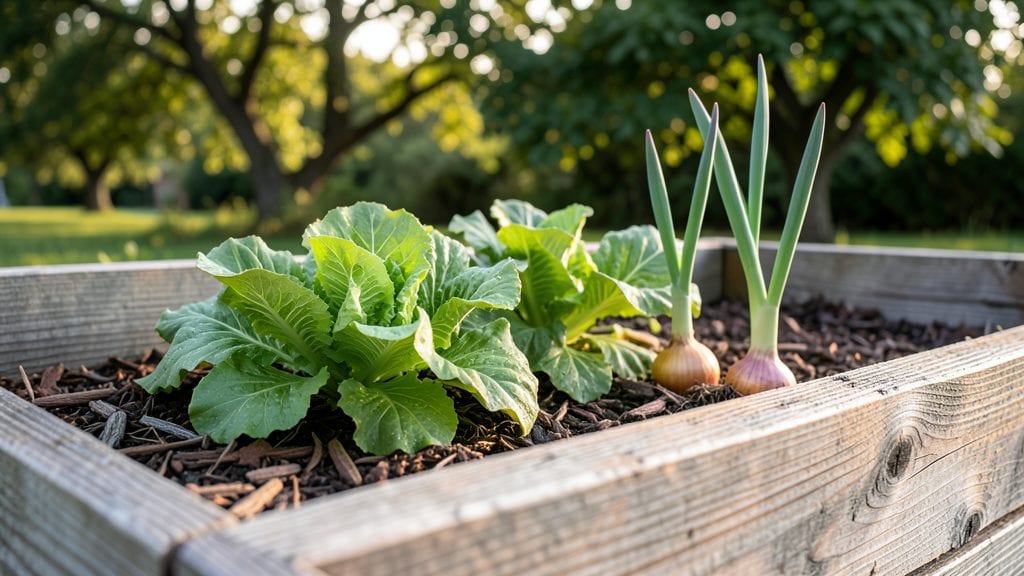
Community garden pics reveal how well-designed spaces combine practical growing techniques with eye-catching visuals, using features like raised beds, vertical planters, and native plant combinations to create high-yield areas that also enhance neighborhood appeal. These layouts focus on easy access, year-round interest, and smart space utilization for gardeners of all skill levels.
Looking at community garden photos isn't just about pretty pictures—it's a masterclass in how thoughtful design directly impacts what you can grow. 🌱 For example, those neat square-foot grids aren't just organized; they're scientifically optimized for companion planting, where certain plants support each other's growth while deterring pests.
I've seen gardens where marigolds flank tomato plants to keep aphids away, or where basil grows right next to peppers to improve flavor—these aren't random arrangements, but proven layouts that boost both harvests and beauty.
What makes these spaces so inspiring is how they balance productivity with visual appeal. Many gardens use vertical growing systems to maximize small spaces, while drought-tolerant ground covers create lush green carpets between beds.
The best designs often incorporate seasonal interest too—spring bulbs, summer blooms, and fall foliage—so there's always something vibrant to see. These elements work together to create gardens that feel both functional and inviting.
💡 In This Article
- How Layouts in Community Garden Photos Enhance Growth
- Top Visual Trends in Productive Community Gardens
How layouts in community garden photos enhance growth
Here's what's actually happening in those high-performing community garden layouts: every inch of space is strategically designed to optimize plant health and yield.
Take square-foot gardening grids, for instance—these 1-foot squares divide beds into precise planting zones, allowing you to fit 16 plants per square foot while maintaining proper spacing for airflow and root development.
The science behind this is simple: plants compete for nutrients and water, so spacing reduces disease spread and maximizes sunlight exposure to each plant's canopy. 💫
Companion planting takes this further by leveraging plant relationships. In photos of thriving gardens, you'll often see basil growing alongside tomatoes—this isn't random. Basil's strong scent repels thrips and whiteflies, while the tomato plants benefit from improved flavor and growth.
Another classic pairing is carrots with onions: the onions deter carrot flies, while the carrots' deep roots aerate the soil for the shallower onion roots.
The key factor here is allelopathy, where some plants release chemicals that either inhibit or promote growth in nearby species—a natural pest control system that reduces the need for synthetic interventions.
Sun exposure mapping is another critical element visible in productive garden photos. Most successful layouts orient beds along the east-west axis to maximize sunlight hours. For example, a 4-foot-wide bed receives equal sun exposure on both sides, while north-south orientation would create shading issues.
Many gardens also incorporate vertical growing systems like trellises or espaliered fruit trees to utilize wall space, increasing growing area by up to 40% in small plots. This vertical approach isn't just about aesthetics—it creates microclimates that can extend growing seasons by 2-4 weeks in cooler regions.
Soil health is the foundation of these layouts, and you can see it in the photos through techniques like lasagna gardening or biointensive methods. These approaches build soil fertility through layers of organic matter, creating a sponge-like structure that holds 20-30% more moisture than conventional soil.
The result? Plants experience less stress during droughts and require 30-50% less watering. Many community gardens also incorporate chop-and-drop mulching, where plant debris is left in place to decompose, adding 1-2% organic matter annually—a slow but steady improvement in soil structure.
What most people don't realize is how these layouts create ecological feedback loops. For example, a garden with three rows of marigolds between vegetable beds doesn't just deter pests—it also attracts beneficial insects like ladybugs and lacewings that prey on garden pests.
These predators can reduce aphid populations by up to 90% when properly integrated. The visual diversity in these gardens (different plant heights, colors, and textures) also supports biodiversity, creating a more resilient ecosystem that naturally suppresses diseases and pests. 🌿
Let's look at a concrete example: the spiral herb bed design. This circular layout places plants in concentric rings based on their sunlight and moisture needs, with drought-tolerant herbs like rosemary at the center (receiving less water) and moisture-loving plants like mint at the outer edge.
The spiral shape creates a natural water flow, with rainwater gradually moving inward. Studies show this design can increase herb yield by 25-40% compared to traditional rows, while using 30% less water.
The visual appeal comes from the layered textures and aromas, but the real productivity boost comes from this hydrological efficiency.