
Tools
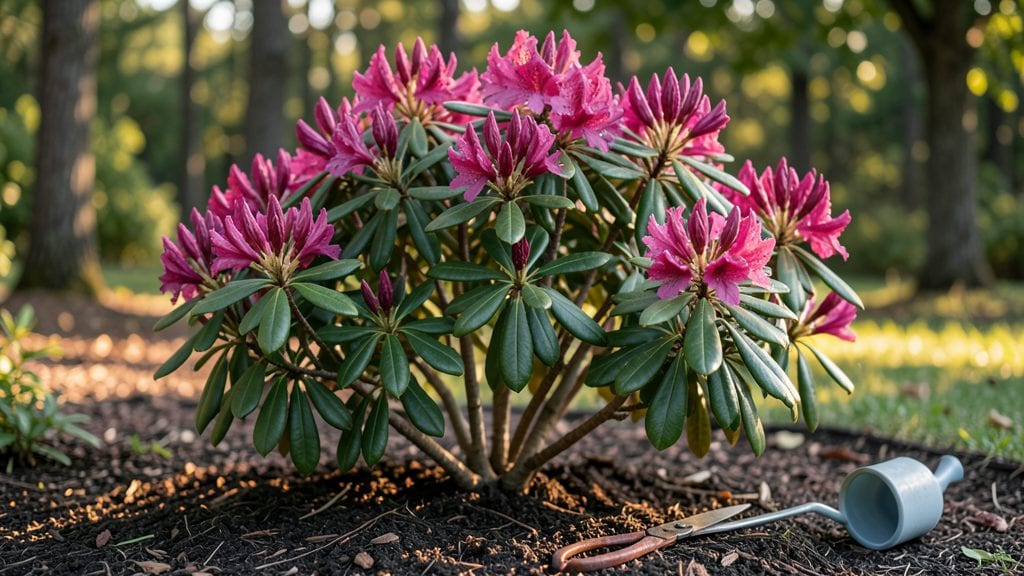
Garden Zone 7 spans the Mid-Atlantic, Midwest, and Pacific Northwest, offering mild winters (10°F to 20°F) and hot summers (70°F to 90°F), ideal for diverse perennials like lavender, hostas, and daylilies that thrive year-round with minimal care.
This zone's balanced climate—where 10°F to 20°F winters rarely freeze the ground solid and 70°F to 90°F summers provide long growing seasons—creates the perfect conditions for hardy perennials. 🌿 The USDA's Zone 7 designation accounts for average annual minimum temperatures, but local factors like elevation or proximity to water can create microclimates that support even more plant diversity.
For example, higher elevations in the Pacific Northwest might experience cooler summers, while inland areas in the Midwest can get hotter.
What sets Zone 7 apart is its ability to sustain plants through both extremes without extreme stress. Lavender thrives here because it tolerates dry soil and heat, while hostas and daylilies appreciate the zone's moisture balance.
Many gardeners in this region also swear by coneflowers and sedum for their drought resistance and pollinator appeal.
💡 In This Article
- Decoding the USDA Plant Hardiness Map for Zone 7
- Top Low-Maintenance Perennials for Zone 7 Gardens
Decoding the USDA plant hardiness map for Zone 7
The USDA Plant Hardiness Map divides Zone 7 into two subzones—7a and 7b—based on average annual minimum temperatures. Zone 7a experiences 0°F to 10°F lows, while 7b ranges from 10°F to 20°F. These distinctions matter because they determine which plants can survive winter dormancy.
For instance, peach trees (hardy to 5°F) thrive in 7b but may struggle in 7a, while Russian sage (hardy to -20°F) handles both subzones with ease. The map accounts for 30-year climate averages, but local weather patterns can create variations of 5°F to 10°F within the same zone.
What makes Zone 7 so plant-friendly is its 180 to 240 frost-free days annually, giving perennials ample time to establish deep root systems. The soil in this zone typically ranges from sandy loam to clay loam, with pH levels between 6.0 and 7.5, which suits most garden plants.
For example, lavender prefers well-draining soil with pH 6.5 to 7.5, while hostas tolerate slightly acidic conditions (pH 5.5 to 6.5). The combination of moderate winters and warm summers also reduces disease pressure compared to hotter climates.
Microclimates within Zone 7 can dramatically alter growing conditions. A south-facing slope might experience 5°F to 10°F warmer winters than a north-facing valley, allowing you to grow orange trees in milder pockets of the Pacific Northwest.
Similarly, urban areas with concrete and asphalt can trap heat, creating "heat islands" where tropical plants like bougainvillea might survive winters. To leverage these microclimates, observe your garden’s sun exposure, wind patterns, and soil moisture for at least 2 years before making planting decisions.
Here's what most gardeners overlook: elevation changes can shift hardiness zones faster than latitude. In the Pacific Northwest, for example, a 1,000-foot elevation gain might drop temperatures by 3.5°F to 5°F, turning a Zone 7a valley into a Zone 6b mountain slope.
This is why local nurseries often provide better planting advice than national maps. For precise planning, combine the USDA map with your area’s historical frost dates (available from local agricultural extensions) and soil tests to identify pH and nutrient levels.
Zone 7’s climate also supports extended bloom seasons for perennials. Plants like daylilies (hardy to -30°F) and black-eyed Susans (hardy to -20°F) produce flowers from early summer to fall, while heucheras offer year-round foliage interest.
The key is selecting varieties matched to your subzone—Zone 7a might handle Russian olive (hardy to -40°F), while Zone 7b can support olive trees (hardy to 15°F) with winter protection.
For optimal results, pair the USDA map with your local first and last frost dates. In most of Zone 7, these typically fall around April 15 and October 15, giving you a 180-day growing season.
Use this window to plan succession planting for annuals while establishing perennials that will return year after year. The zone’s reliability makes it one of the most rewarding for low-maintenance gardening—once plants are established, they require minimal intervention to flourish. 🌿