Companion Plants
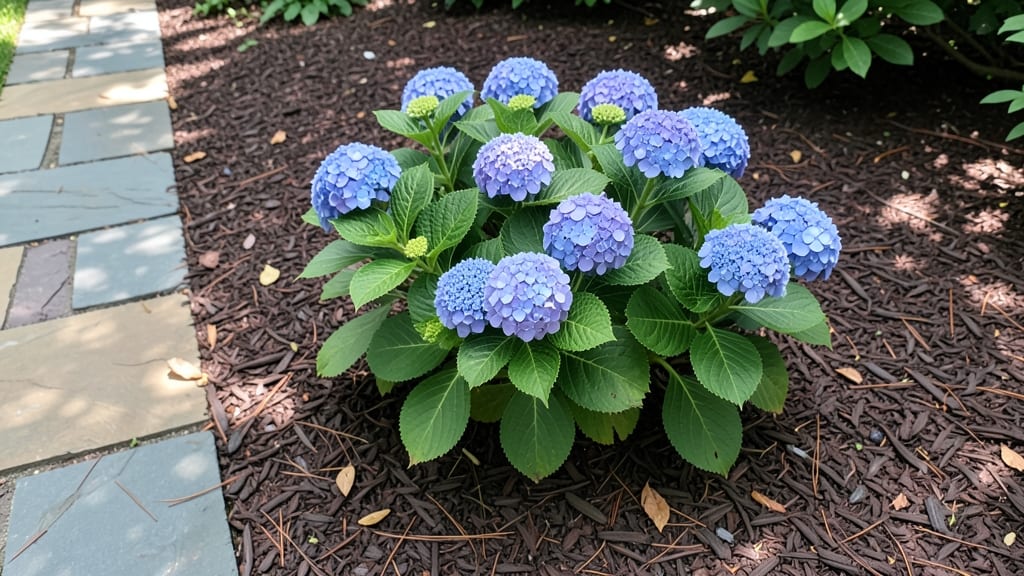
Your front garden plants should buzz with life from spring through fall—because a pollinator-friendly yard isn’t just pretty, it’s a thriving ecosystem that keeps bees, butterflies, and hummingbirds visiting all season long. 🌿 I learned the hard way that planting for looks alone leaves your garden quiet and empty; the right mix of perennials, shrubs, and annuals turns it into a magnet for wildlife while keeping maintenance low.
The secret lies in layering plants that bloom at different times, so there’s always color and movement, even when some varieties fade.
Start with three core layers: tall shrubs like butterfly bush or Russian sage for structure, mid-height perennials such as coneflowers or black-eyed Susans for seasonal color, and low-growing ground covers like creeping thyme or ajuga to fill gaps.
Annuals like cosmos or zinnias add pops of color where needed, but they’re optional—perennials do most of the heavy lifting. For a modern look, stick to clean lines and monochromatic palettes; for cottage charm, mix heights and textures with roses, peonies, and lavender.
Either way, prioritize native plants—they’re the easiest to grow and the most welcoming to local pollinators.
By late summer, your garden will be alive with activity: bees sipping from salvia, butterflies fluttering over milkweed, and hummingbirds darting between penstemon. The best part? These plants handle drought once established and come back stronger every year, so you’re not starting from scratch in spring.
Even in winter, evergreens like boxwood or hemlock keep the structure intact while seed heads from perennials add texture. It’s the kind of beauty that works harder than you do.
Whether you’re working with a narrow border, a small patch, or a full yard, the same principles apply: sun exposure matters, so group plants with similar light needs together, and mulch heavily to cut down on weeding.
Containers let you add color to patios or driveways without committing to permanent plantings—just swap out annuals each season. The goal isn’t perfection; it’s creating a space that feels alive, functional, and uniquely yours.
📚 In This Guide
- What you need
- Instructions
- Tips and common mistakes
- Wrapping up and next steps
What you need
- ● Pollinator-friendly plants (5–10 varieties): Perennials (e.g., Coneflower, Black-eyed Susan, Bee Balm) – 3–5 plants each
- ● Annuals (e.g., Marigold, Zinnia, Cosmos) – 5–10 plants per type
- ● Shrubs (e.g., Butterfly Bush, Spirea) – 1–2 mature plants
- ● Bulbs (e.g., Daffodils, Crocus) – 10–20 bulbs per type
- ● Native plants (if possible): Research local pollinator favorites (e.g., Milkweed for monarchs, Goldenrod for bees).
- ● Mulch: 2–3 bags of organic mulch (e.g., shredded bark or pine straw) to retain moisture.
- ● Basic tools: Garden trowel (1)
- ● Pruners (1 pair, sharp and clean)
- ● Garden fork (1) for aerating soil
- ● Wheelbarrow or bucket (1) for transporting soil/plant materials
- ● Soil prep: Compost (2–3 cubic feet) to enrich soil
- ● Garden hose or watering can with spray nozzle
- ○ Optional (but helpful!): Knee pads (1 pair) for comfort
- ● Garden gloves (1 pair) for protection
- ● Soil pH test kit (1) to ensure optimal growing conditions
- ● Drip irrigation system or soaker hose (for low-maintenance watering)
- ● Location: Choose a spot with 6+ hours of sunlight daily (adjust for shade-tolerant plants if needed).
- ● Soil test: Aim for well-draining, slightly acidic to neutral soil (pH 6.0–7.0). Amend clay or sandy soil with compost.
- ● Water access: Ensure a nearby water source or plan for portable irrigation.
- ● ✨ Pro Tip: Layer plants by height—tall shrubs in back, mid-height perennials in the middle, and low-growing annuals/bulbs in front for a lush, pollinator-friendly "lasagna" effect!
Step-by-Step guide to designing a pollinator-friendly front garden
Here's how I create a front garden that thrives year-round while supporting bees, butterflies, and hummingbirds.
🌱 Step 1: Plan for Seasonal Color and Pollinator Needs
Start by sketching your front garden space, noting sun exposure patterns throughout the day. Divide the area into four zones: early spring bloomers, late spring to summer, summer to early fall, and late fall to winter interest. I always include at least three plants per season to ensure continuous nectar sources. For example, start with hellebores and crocus for early pollinators, then transition to lavender, coneflowers, and black-eyed Susans for mid-season, and finish with asters and sedum for late blooms.
Consider plant height progression—tall grasses like switchgrass or ornamental millet (6-8 feet) at the back, medium shrubs like butterfly bush (4-5 feet) in the middle, and low ground covers like creeping thyme or ajuga (1-2 feet) in the front. This creates visual layers while providing varied landing platforms for pollinators. I mark these zones on my sketch with colored pencils to visualize the flow before planting.
☀️ Step 2: Select Native Plants and Layer for Year-Round Interest
Native plants are the backbone of any pollinator garden because they've co-evolved with local wildlife. I focus on perennials and shrubs that return yearly, reducing maintenance while maximizing impact. For example, in my zone, I plant purple coneflower, bee balm, and goldenrod—all native and beloved by bees and butterflies. Add three to five evergreen shrubs like inkberry holly or winterberry for structure and winter interest.
Layer in bulbs for early spring like daffodils and tulips, annuals for summer color like cosmos and zinnias, and grasses for texture like fountain grass or little bluestem. This combination ensures your garden remains vibrant and functional from February through December. I always include at least one host plant for caterpillars, like milkweed for monarchs, to complete the ecosystem.
💧 Step 3: Prepare Soil and Plant for Pollinator Success
Test your soil's pH and amend it to a neutral to slightly alkaline range (6.0-7.5) for most pollinator plants. I mix in 3-4 inches of compost into the top 12 inches of soil to improve drainage and fertility. For sandy soil, add 2-3 inches of peat moss to retain moisture, while clay soil benefits from 1-2 inches of coarse sand to improve aeration.
Plant perennials and shrubs in early spring or fall when temperatures are mild. Dig holes twice as wide as the root ball but only as deep. Place each plant so the top of the root ball sits 1 inch below soil level to prevent stem rot. Water deeply immediately after planting to settle the soil and remove air pockets. Mulch with 2-3 inches of organic mulch like shredded bark or pine needles to retain moisture and suppress weeds.
✂️ Step 4: Maintain for Continuous Blooms and Pollinator Health
Deadhead spent blooms regularly to encourage continuous flowering and prevent seed production that can spread invasively. I prune perennials like coneflower and black-eyed Susans in early spring before new growth begins, cutting back to 6-8 inches above ground. For shrubs like butterfly bush, I prune lightly in late winter to shape the plant and remove dead wood.
Leave some seed heads and dried flowers in place through winter for birds and overwintering insects. I also avoid pesticides entirely—even organic ones can harm pollinators. Instead, I handpick pests and use neem oil only as a last resort, targeting specific problem areas rather than spraying broadly. This maintains a safe haven for beneficial insects.
🪴 Step 5: Add Water and Hardscape for Pollinator Support
Install a shallow water source like a birdbath or small pond with 1-2 inch shallow edges where pollinators can land safely. I add pebbles or a small fountain to prevent standing water from becoming a mosquito breeding site. Place the water feature in a spot with partial shade to keep water cool and reduce evaporation.
Incorporate hardscape elements like stepping stones, gravel paths, or a small wooden bench to create defined areas without reducing plant coverage. These elements also provide resting spots for pollinators and make your garden more functional. I always leave 20-30% of the space as open ground cover with clover, creeping phlox, or other low-growing plants to provide additional foraging opportunities.
Tips & tricks for perfect pollinator-friendly front gardens
Creating a thriving pollinator garden takes thoughtful planning—here are the game-changing strategies I've learned to ensure your front garden becomes a buzzing ecosystem all year.
Seasonal Layering Strategy: In Step 1, when dividing your garden into seasonal zones, I recommend adding a fifth "transition zone" between summer and fall bloomers. This buffer area lets you experiment with plants like Joe Pye weed or sedum that bridge the gap when other flowers fade. The key is to overlap bloom times by at least 2-3 weeks between seasons—this ensures pollinators never face a food shortage. I always test new plants in this transition zone first before committing to larger plantings.
Native Plant Selection: While Step 2 emphasizes native perennials and shrubs, don't overlook native annuals like partridge pea or wild bergamot—they provide intense late-summer nectar when many perennials are winding down. For your three to five evergreen shrubs, consider adding one with berries like winterberry holly—birds will spread seeds while providing winter interest. I've found that including at least one native vine, like Virginia creeper, adds vertical interest that pollinators love for shelter and egg-laying sites.
Soil Preparation Pro Tip: The 3-4 inches of compost recommendation in Step 3 is perfect, but here's the secret: mix in a handful of mycorrhizal fungi granules with your compost. These beneficial fungi form symbiotic relationships with plant roots, dramatically improving nutrient uptake and drought resistance. For clay-heavy soils, I also incorporate 1-2 inches of coconut coir instead of sand—it improves structure without compacting like sand does over time. Always test your amended soil's pH again after 4-6 weeks of settling.
Maintenance Calendar: The early spring pruning in Step 4 works perfectly, but create a color-coded calendar marking when to prune each plant type. For example, mark coneflower pruning in blue, butterfly bush in green, and sedum in yellow. This visual system helps you avoid accidentally pruning too early—some plants like sedum need their seed heads for winter interest. I also schedule "pollinator check days" every 10 days during peak bloom seasons to remove only the most spent blooms while leaving others for late-season visitors.
Pro Tips for Front Garden Plants
- Creating a thriving pollinator garden takes thoughtful planning—here are the game-changing strategies I've learned to ensure your front garden becomes a buzzing ecosystem all year.
- Seasonal Layering Strategy: In Step 1, when dividing your garden into seasonal zones, I recommend adding a fifth "transition zone" between summer and fall bloomers.
- For your three to five evergreen shrubs, consider adding one with berries like winterberry holly—birds will spread seeds while providing winter interest.
Frequently asked questions
Got questions about creating a stunning, pollinator-friendly front garden?
You’re not alone! Here are answers to some of the most common queries to help you design with confidence.
What are the easiest pollinator-friendly plants for beginners?
Start with hardy, low-maintenance options like bee balm, coneflowers, or lavender. These thrive in most climates, attract bees and butterflies, and require minimal upkeep. Pro tip: Pair them with native plants—they’re already adapted to your local ecosystem!
When is the best time to plant for year-round blooms?
For spring/summer color, plant perennials in early spring (after the last frost). For fall/winter interest, opt for evergreens (like heather) or late-blooming perennials (like sedum) in late summer/early fall. Bonus: Layer bulbs (e.g., daffodils) for early spring pops!
How do I keep my front garden looking lush without overwatering?
Group plants with similar water needs (e.g., drought-tolerant sage with succulents) and mulch heavily to retain moisture. Drip irrigation or soaker hoses deliver water efficiently. Troubleshooting: Yellowing leaves? Check soil drainage—pollinators love healthy plants, but soggy roots are a no-go!
Will these plants really attract bees and butterflies, or are they just pretty?
Plants like milkweed (for monarchs) and purple loosestrife (for bees) are magnets for pollinators. Aim for a mix of nectar-rich (e.g., black-eyed Susans) and host plants (e.g., fennel for swallowtails). Watch your garden buzz with activity!
What if my yard has poor soil or full shade?
No problem! Try heuchera (shade-tolerant) or foxglove (thrives in partial shade). For poor soil, amend with compost or choose native wildflowers—they’re tough and resilient. Alternative: Vertical gardens (e.g., trellised clematis) add height without space!
Wrapping up and next steps
Transforming your front garden into a vibrant, pollinator-friendly haven is easier—and more rewarding—than you think! 🌸 By blending seasonal blooms, native perennials, and companion plants, you’ll create a space that thrives year-round while supporting bees, butterflies, and hummingbirds.
Start small, experiment with textures and colors, and watch your garden buzz with life.
Ready to take the next step? Pick one plant from this guide and plant it this weekend—your garden (and the pollinators!) will thank you. Happy gardening! 🌿