
Shrubs
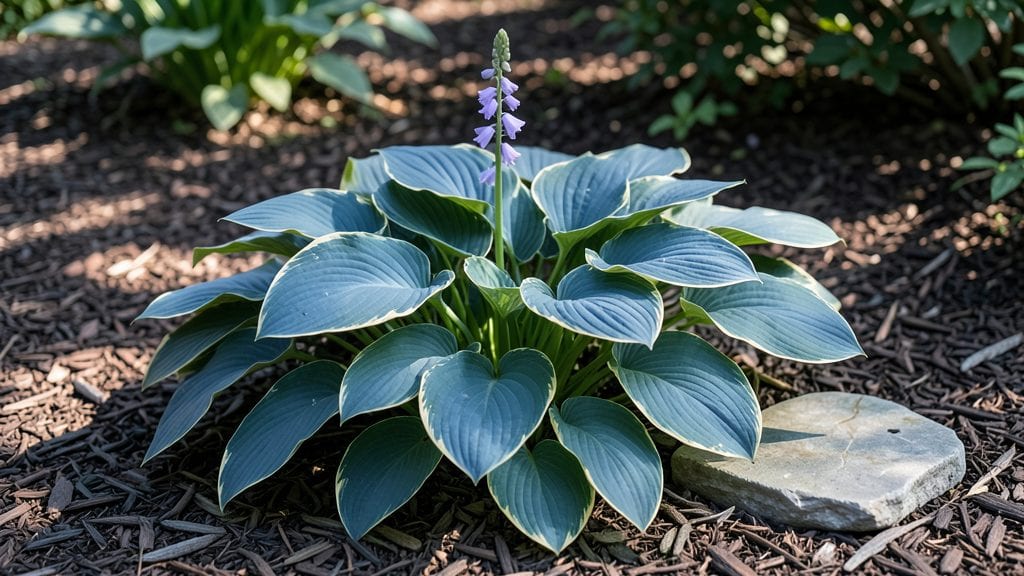
These pictures of shade gardens prove how lush layers create year-round privacy where sunlight barely touches. I designed my first one after struggling with a dull, weed-choked corner—until I swapped sun-lovers for shade-tolerant plants like ferns, hostas, and heucheras.
The transformation was shocking: vibrant foliage, dappled light, and a space that feels alive even in winter.
This isn’t about sacrificing beauty for low light—it’s about strategic plant pairings that play off each other’s strengths. Tall evergreens like boxwoods or rhododendrons form the backbone, while mid-height perennials add texture, and ground covers stitch everything together.
My favorite combo? Blue fescue grass for airy height, heuchera for jewel-toned leaves, and lamium for cascading purple blooms that last all season.
You’ll end up with a garden that’s quietly dramatic—no flashy sunflowers, but a layered tapestry of colors and textures that changes with each season. The best part?
It’s low-maintenance once established, with fewer weeds and less watering than sunny beds. Plus, the dappled shade creates a cozy, almost magical atmosphere perfect for reading or relaxing.
Works for urban courtyards, woodland edges, or the north side of your house. Start small with three key plants—one for height, one for mid-level interest, and one for ground cover—and let the shade do the rest of the work. Here’s how to design yours without the guesswork.
📚 In This Guide
- What you need
- Instructions
- Tips and common mistakes
- Wrapping up and next steps
What you need
- ● Shade-tolerant plants: 10–20 Hosta plants (varied leaf shapes/sizes)
- ● 5–10 Ferns (e.g., Matteuccia struthiopteris or Dryopteris)
- ● 3–5 Heuchera (for vibrant foliage)
- ● 2–3 Astilbe (for delicate blooms)
- ● 1–2 Japanese painted ferns (Athyrium) for texture
- ● Soil amendments: 5–10 gallons of peat moss or coco coir (for moisture retention)
- ● 2–3 bags of compost (well-aged, organic)
- ● 1–2 pounds of slow-release fertilizer (balanced 10-10-10 or organic options)
- ● Mulch: 2–3 bags of wood chips or shredded bark (3–4 inches deep)
- ● Tools: 1 garden trowel (for transplanting)
- ● 1 pruning shears (sharp, bypass-style)
- ● 1 garden hose with adjustable nozzle (for gentle watering)
- ● 1 wheelbarrow (for transporting soil/amendments)
- ● 1 measuring tape (to plan spacing)
- ● 1 gloves (gardening-grade, breathable)
- ● Decorative elements: 1–2 ornamental grasses (e.g., Carex or Hakonechloa)
- ● 1–3 small boulders or stepping stones (for pathways)
- ● 1–2 solar-powered garden lights (for ambiance)
- ● Prerequisites: A compact, shaded area (4’x4’ minimum, partial to full shade)
- ● Access to a water source (hose or drip irrigation)
- ● Time to monitor soil moisture (shade plants love consistency!)
Instructions for designing a lush shade garden
Here's how to create a thriving, private retreat using shade-tolerant plants that thrive without direct sunlight.
Assess Light Conditions and Choose Plant Locations
First, observe your space for at least 24 hours to determine the actual light levels. True shade gardens receive less than 3 hours of direct sunlight daily, while partial shade gets 3-6 hours. I mark the sunniest spots with a flag—these areas can handle plants like ferns and astilbes, while deeper shade (like under trees) needs hostas or lungwort.
Next, measure the height of nearby structures or trees to plan vertical layers. Taller plants like Japanese maple or hydrangeas should go at the back, while heucheras or ajuga create a low, dense foreground. Sketch a rough layout to visualize how foliage will fill in over time—this prevents gaps that let light sneak through.
Amend Soil for Moisture Retention and Drainage
Shade gardens often have compacted, clay-heavy soil that drains poorly. Mix 2-3 inches of compost into the top 6 inches of soil to improve aeration and moisture retention. For containers, blend 50% potting mix with 50% perlite to prevent root rot—a common issue in low-light conditions.
Test drainage by digging a 6-inch hole, filling it with water, and timing how long it takes to drain. If water remains after 2 hours, amend with sand or coconut coir to create better porosity. Mulch with 3 inches of shredded bark to regulate soil temperature and suppress weeds, which thrive in shaded, damp conditions.
Plant Layered Foliage for Year-Round Texture
Start with structural plants like ornamental grasses (carex or hakonechloa) or evergreen shrubs (pieris or boxwood) to anchor the design. These provide winter interest when deciduous plants fade. Space them 18-24 inches apart to allow foliage to fill in naturally over 2-3 seasons. I avoid overcrowding—shade plants grow slowly, and competition for nutrients stunts growth.
Add mid-height fillers like heucheras or astilbes in clusters of 3-5 plants for a lush, textured look. These thrive in dappled shade and bloom prolifically when paired with ferns (matteuccia or dryopteris) for delicate fronds. Finish with ground covers (ajuga or lamium) to eliminate bare soil and prevent erosion.
Incorporate Seasonal Interest with Strategic Placements
Shade gardens often lack color, so I rotate blooming plants to ensure continuous interest. Plant spring epimediums near summer hydrangeas, and add fall crocosmias for late-season pops of color. Group plants with similar water needs—most shade-lovers prefer consistently moist but not soggy soil—to simplify maintenance.
Add height variation with cascade ferns or ivy trailing over containers or edges. These soften the garden’s form while keeping sightlines obscured. I also include one or two fragrant plants (like daphne or sweet woodruff) to engage the senses—shade gardens can feel quiet, so scent adds depth.
Maintain with Minimal Effort
Water deeply once weekly (or daily in extreme heat) to encourage deep root growth. Shade plants often wilting signals dehydration, so check soil 1 inch below the surface—if it’s dry, water thoroughly. Avoid overhead sprinklers, which promote fungal diseases like powdery mildew in dense foliage.
Prune spent blooms from perennials like astilbes or hellebores in early spring to redirect energy into foliage growth. Divide crowded plants every 3-4 years (like hostas or ferns) in early fall to rejuvenate their vigor. Mulch annually in late winter to protect roots from temperature fluctuations—a critical step for tender shade plants.
Tips & tricks for perfect shade gardens
Creating a thriving shade garden takes patience and attention to detail, but these insights will help you avoid common pitfalls and elevate your design from functional to extraordinary.
Light Assessment Accuracy: The 24-hour observation period in Step 1 is non-negotiable—light conditions change dramatically between seasons. I recommend repeating this assessment in early spring and late summer to account for solstice shifts. Mark your sunniest spots with small, inconspicuous flags during both periods to identify the true "worst-case" light conditions your plants will face.
Soil Preparation Strategy: When amending soil in Step 2, don't just focus on the top 6 inches—consider the entire root zone. For established shade gardens, I recommend a soil test first to identify pH issues. Most shade plants prefer slightly acidic soil (pH 6.0-6.5), and adjusting with elemental sulfur or lime before adding compost can prevent nutrient lockout. The 2-hour drainage test should be done after all amendments are complete, not before.
Plant Spacing Precision: The 18-24 inch spacing for structural plants in Step 3 might seem generous, but it's essential for proper air circulation. I've seen many shade gardens suffer from fungal issues because plants were crowded too closely. For slower-growing varieties like hostas, you can plant them slightly closer (12-16 inches) but be prepared to divide them more frequently. Remember that shade plants grow slowly—what looks sparse now will fill in beautifully over 2-3 seasons.
Seasonal Rotation Tactics: When planning your seasonal interest in Step 4, think beyond just color—consider texture and fragrance too. I always include at least one fragrant plant like sweet woodruff or daphne to engage multiple senses. For continuous blooms, stagger planting times by 2-3 weeks so you're never without color. The key is to create visual layers that change subtly throughout the year while maintaining that lush, private feel.
Pro Tips for Pictures Shade Gardens
- Creating a thriving shade garden takes patience and attention to detail, but these insights will help you avoid common pitfalls and elevate your design from functional to extraordinary.
- Light Assessment Accuracy: The 24-hour observation period in Step 1 is non-negotiable—light conditions change dramatically between seasons.
- Soil Preparation Strategy: When amending soil in Step 2, don't just focus on the top 6 inches—consider the entire root zone.
Frequently asked questions
Got questions about creating a picturesque shade garden?
You’re not alone! Here are some of the most common queries—and their practical solutions—to help you design a thriving, private oasis in no time.
What are the best shade-tolerant plants for a compact garden?
Opt for hostas, heucheras, ferns, and astilbes for lush foliage. For height and texture, try Japanese maples or dwarf rhododendrons. Mix evergreens like boxwoods or inkberry hollies for year-round privacy. Pro tip: Choose plants with varying leaf shapes and colors to add visual interest!
How long does it take for a shade garden to mature and provide privacy?
Most shade plants take 2–5 years to reach full maturity, depending on the species. Fast-growing options like ornamental grasses or bamboo (non-invasive varieties) can offer quicker coverage, while slower growers like hostas or hemlocks may take longer. Plan ahead and layer plants of different growth rates for balanced privacy!
Do shade gardens require less water than sunny ones?
Not necessarily! While shade reduces evaporation, some shade-loving plants (like ferns or caladiums) still need consistent moisture. Mulch heavily to retain soil moisture, and water deeply 1–2 times per week during dry spells. Drip irrigation works wonders for even distribution without waste.
Can I add lighting to highlight my shade garden at night?
Use solar-powered path lights, spotlights for focal plants, or string lights for a magical ambiance. Opt for warm, soft lighting (2700K–3000K) to avoid harsh glares. Just avoid overlighting delicate foliage—aim for indirect illumination to preserve the garden’s serene vibe.
What should I do if my shade plants start looking leggy or sparse?
Leggy growth often signals too little light or overcrowding. Prune back overgrown stems to encourage bushier growth, and thin out older plants to improve airflow. If light is the issue, consider reflective surfaces (like mirrors or light-colored walls) to bounce extra brightness into the space. Pro tip: Fertilize lightly in spring with a balanced, slow-release formula to support healthier foliage!
Are there eco-friendly alternatives to traditional shade plants?
Yes! Native plants like Virginia creeper, clethra, or serviceberry shrubs thrive in shade while supporting local wildlife. For a low-maintenance twist, try ground covers like wild ginger or foamflower. These options reduce water needs, deter pests, and blend seamlessly into your landscape.
Wrapping up and next steps
Transforming your compact space into a serene, year-round shade garden is easier than you think!
With the right plants, design tricks, and a dash of creativity, you’ve got everything you need to craft a lush, private retreat. 🌿✨ Whether you’re a seasoned gardener or just starting out, the key is to start small, experiment, and enjoy the process—your future shaded oasis awaits!
Ready to take the next step? Sketch your space, gather your plants, and begin layering—one leafy masterpiece at a time. Happy gardening!