
Vegetables
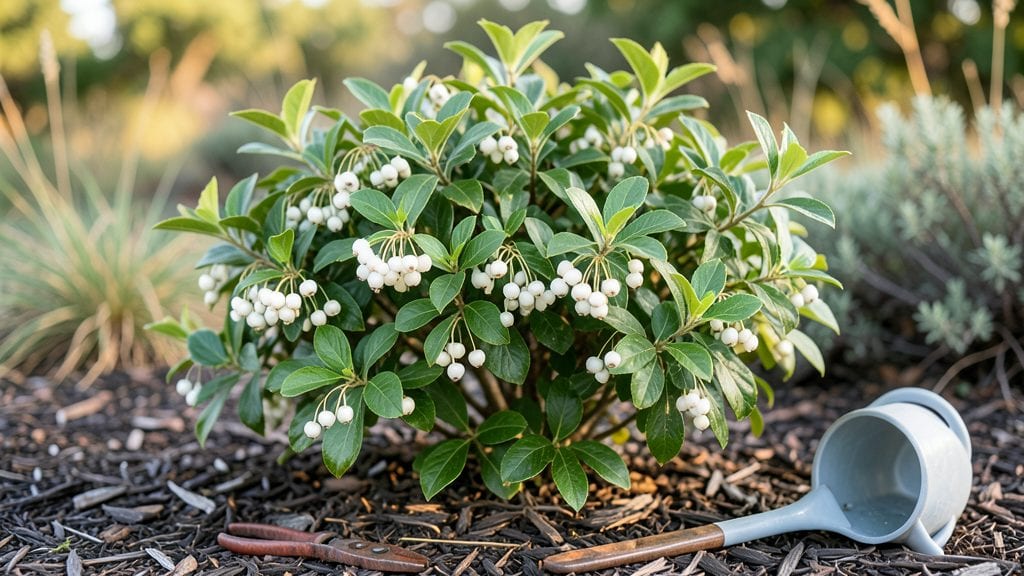
Understanding Boise’s garden zone is key to selecting plants that thrive year-round, as its USDA Hardiness Zones 6a to 7b mean winter temperatures can drop to -10°F while summers reach up to 90°F, making drought-tolerant and cold-resistant varieties the best choices for your garden.
Boise’s unique climate—where chilly winters meet dry summers—demands smart plant choices to keep your garden flourishing. 🌱 The city’s elevation (about 2,700 feet) and urban heat pockets can create microclimates, so even within Boise, some areas may experience slightly warmer or cooler conditions.
For example, spots near the Boise River often stay milder than higher elevations, allowing you to push the limits with marginally tender plants like rosemary or olive trees in sheltered microclimates.
To pinpoint your exact zone, I recommend using the USDA Plant Hardiness Zone Map or checking local resources like the University of Idaho Extension, which often provides hyper-local adjustments.
These tools help you match plants to your specific growing conditions, whether you're in a frost-prone valley or a sun-baked neighborhood. The key is balancing cold tolerance with water needs—Boise’s dry spells mean even hardy plants need irrigation strategies during summer months.
💡 In This Article
- Boise’s USDA Hardiness Zone Breakdown
- Top Cold-Hardy and Drought-Resistant Plants for Boise Gardens
Boise’s USDA hardiness Zone breakdown
Boise’s classification as USDA Zones 6a to 7b stems from its high desert climate, where cold Arctic air masses meet summer heat waves. The 2,700-foot elevation creates a temperature gradient—air cools 3.5°F per 1,000 feet, so higher areas near the foothills experience colder winters than downtown.
The city’s continental climate means winter lows can plummet to -10°F (Zone 6a), while milder microclimates near the Boise River may only dip to 5°F (Zone 7b). This 15°F variation explains why some gardens thrive with Russian sage while others struggle with roses.
The urban heat island effect adds complexity—concrete and asphalt absorb heat, raising summer temperatures by 5-10°F in downtown areas compared to rural outskirts. This means plants in Zone 7b downtown might tolerate tender perennials like lavender, while suburban yards in Zone 6a need extra mulch for winter protection.
The Boise Airport weather station (Zone 7a) records 150 frost-free days, but your backyard could have 10 fewer if you’re in a frost pocket.
To verify your exact zone, use the USDA Interactive Map (updated 2023) and cross-check with local frost records from the National Weather Service.
For example, the University of Idaho Extension notes that Boise’s last spring frost typically occurs around April 15, while first fall frosts hit October 15. Planting cool-season crops like kale too early risks frost damage, while heat-loving tomatoes need to wait until soil reaches 60°F—usually late May.
Microclimates create opportunities for creative gardening. A south-facing wall can extend your growing season by 2-3 weeks by trapping heat, while windbreaks protect delicate plants from 20+ mph winter winds.
The Boise River Greenbelt stays 5°F warmer than inland areas, allowing olive trees to survive where they’d fail in Zone 6a. These variations mean your 100-square-foot garden might support both hardy lilacs and tender bougainvillea—if you place them strategically.
What most gardeners overlook is how soil temperature lags behind air temperature. Even in Zone 7b, soil may stay below 50°F until mid-May, delaying planting. Use a soil thermometer to confirm readiness—60°F for warm-season veggies, 40°F for cool-season crops.
This precision prevents wasted effort on frost-sensitive plants like peppers planted too early.
For verification, combine three tools: the USDA map (broad zone), local frost dates (seasonal timing), and on-site observations (microclimates).
For instance, if your yard has 3+ late frosts after April 15, you’re effectively in Zone 6b—not 7a. This layered approach ensures your garden matches reality, not just the official classification. 🌡️