
Advice
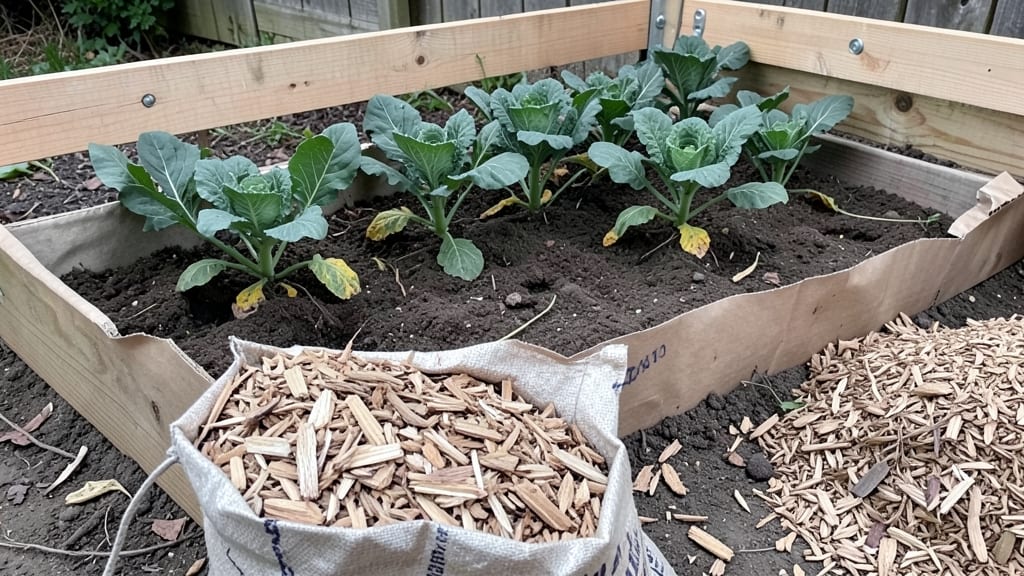
The cost of building a raised garden bed typically ranges from $100 to $500, depending on size, materials (cedar, redwood, or composite lumber), and whether you DIY or hire help. A standard 4x8-foot bed usually costs between $150 and $300 with untreated wood, while custom or premium designs can push costs above $600.
The total price tag depends heavily on what you choose for framing and soil.
Cedar and redwood are popular for their natural rot resistance, but composite lumber—though pricier upfront—lasts decades without needing replacement. 🌱 For example, a 4x8-foot bed using 6x6-inch cedar posts and 2x6-inch boards might cost around $250 for materials alone, while adding a 2-inch layer of garden mix and compost could bump the total closer to $350.
If you're hiring a pro, labor can easily add $500-$1,500 depending on complexity and location.
What many first-timers overlook are the hidden costs—like drainage systems, landscape fabric, or decorative stones—that can add $50-$200 to your budget. I always recommend starting with a simple design and upgrading materials over time, especially if you're testing different plants or soil mixes.
The right choice depends on your long-term goals: durability, aesthetics, or pure functionality.
💡 In This Article
- Material Cost Breakdown for Raised Garden Beds
- DIY vs Professional Raised Garden Bed Cost Comparison
Material cost breakdown for raised garden beds
The foundation of your raised bed's cost starts with the framing materials, where cedar, redwood, and composite lumber each bring distinct price points and performance characteristics. Cedar typically costs $3-$6 per board foot, making it the mid-range option—durable enough for 5-7 years with proper sealing, but not as long-lasting as redwood. Redwood runs $4-$8 per board foot due to its natural resistance to rot and insects, often lasting 10-15 years without treatment.
Meanwhile, composite lumber (like Trex or Fiberon) starts at $8-$15 per board foot but offers 20+ years of weatherproofing with minimal maintenance.
Hardware costs often get overlooked but can add $20-$50 to your total.
Galvanized screws ($0.50-$1.50 each) and corner brackets ($2-$5 per piece) are essential for structural integrity, while hidden costs like landscape fabric ($1-$3 per square foot) or drainage boards ($10-$30 per bed) can sneak up on you.
For a 4x8-foot bed, expect to spend $30-$60 on hardware and accessories alone. The key factor here is balancing upfront costs with long-term savings—composite lumber may cost more initially but eliminates the need for periodic staining or sealing.
Soil amendments represent another major expense, where the difference between basic garden mix ($2-$4 per cubic foot) and premium compost blends ($5-$10 per cubic foot) can swing your total by $100-$300 for a standard-sized bed.
A 2-inch layer of quality soil costs about $50-$100, but adding organic matter like worm castings ($0.50-$2 per pound) improves drainage and fertility. Most gardeners underestimate how much soil they'll need—calculating 0.75 cubic feet per square foot of bed ensures you don't run short during filling.
Labor costs vary dramatically based on location and complexity. A professional can assemble a simple 4x8-foot bed in 2-4 hours for $150-$300, while custom designs with tiered levels or integrated seating may take 8+ hours and cost $500-$1,500.
What most people don't realize is that contractors often charge $50-$100/hour just for delivery and setup of materials. If you're handy with basic tools, DIY saves 60-80% on labor costs—but factor in $20-$50 for renting a circular saw or drill if you don't own them.
Here's what's actually happening with material longevity: Cedar and redwood contain natural oils that resist moisture, but untreated wood still requires sealing every 1-3 years to prevent warping. Composite materials avoid this entirely by mimicking wood's appearance while using recycled plastics and wood fibers.
The trade-off? Composite beds can't be disassembled or repurposed like wood, which some eco-conscious gardeners find limiting. For climate zones with heavy rain or snow, redwood's 15-year lifespan makes it the most cost-effective premium choice over time.
Consider these key factors when choosing materials:
- Climate: Coastal areas benefit from redwood's salt resistance; dry climates suit cedar's natural durability.
- Budget: Cedar offers the best balance for $200-$400 beds, while composite justifies its $500+ price tag for low-maintenance longevity.
- Aesthetics: Cedar's rich grain and natural color appeal to traditionalists, while composite allows for painted finishes or modern designs.
For maximum value, I recommend starting with cedar framing for your first bed—it's affordable enough to experiment with layouts while still offering 5-7 years of service. Save composite lumber for high-traffic areas or beds you plan to keep permanently.
The right material choice depends on whether you prioritize upfront savings or long-term convenience. 💫