
Light Requirements
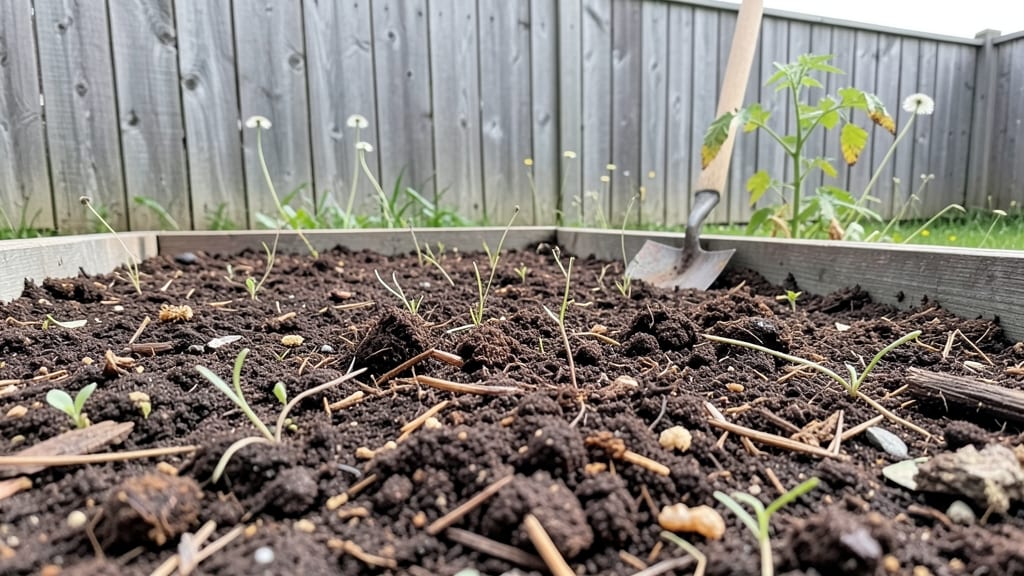
A 4 x 8 raised garden bed filled to a 10-inch depth requires 2.67 cubic feet of soil per linear foot, totaling 21.33 cubic feet (or 0.78 cubic yards) for the entire bed. Adjust depth for deeper beds—12 inches needs 3.2 cubic feet per linear foot or 25.6 cubic feet total.
A 4 x 8 raised garden bed's soil needs depend on depth and your planting goals.
The standard 10-inch depth is ideal for most vegetables, but deeper beds (like 12 inches) support root crops better. 🌱 I always calculate extra for settling—soil compresses over time, so buying 10% more prevents running short.
For example, a 12-inch bed requires nearly 20% more soil than a 10-inch one, so plan accordingly.
When buying soil, consider mixing topsoil with compost—this improves drainage and fertility while cutting costs. Local nurseries often sell bulk bags, but online retailers like Amazon or Tractor Supply offer competitive pricing for large quantities. Pro tip: Measure your bed's interior dimensions, not the lumber size, to avoid overestimating.
💡 In This Article
- Calculating Soil Volume for Different Raised Bed Heights
- Best Soil Mixes and Bulk Buying Tips for Raised Beds
Calculating soil volume for different raised bed heights
The core calculation for soil volume in a raised bed follows this simple formula: length (ft) × width (ft) × depth (in) ÷ 12 = cubic feet.
For a 4 × 8-foot bed, the math works like this: 4 × 8 × 10 ÷ 12 = 26.67 cubic feet total. The division by 12 converts inches to feet, making the units consistent.
This formula assumes a rectangular shape—most raised beds are, but irregular designs require breaking the space into geometric sections first. 🔥
Depth makes a surprisingly big difference. A 10-inch fill gives you 21.33 cubic feet, but drop to 8 inches and you're down to 17.07 cubic feet—that's nearly 20% less soil. Conversely, a 12-inch bed jumps to 25.6 cubic feet.
The reason? Volume scales linearly with height, but root space needs grow exponentially for deeper-rooted plants like carrots or potatoes. I've seen gardeners underestimate this and end up with 3-4 inches of compacted soil at the bottom where roots can't penetrate.
Partial fills complicate things. If you're adding a 2-inch mulch layer or 4-inch compost blanket on top of your soil, subtract that from your total depth first.
For example, a 10-inch bed with 3 inches of compost only needs 7 inches of soil—cutting your volume to 18.67 cubic feet. The key is tracking each layer's thickness separately.
Pro tip: Use a tapered ruler to measure depths accurately—standard rulers often mislead when checking uneven bed edges. ✨
Material type affects volume too. Bulk topsoil settles 10-15% after wetting, while compost mixes may shrink 20% or more. To account for this, I always multiply my calculated volume by 1.15 for standard soil blends.
For example, a 12-inch bed's 25.6 cubic feet becomes 29.5 cubic feet after accounting for settling. This extra buffer prevents the "I'm one bag short" panic when filling your bed.
Visualizing helps: Imagine your 4 × 8-foot bed as a box. At 10 inches deep, it's like stacking 10 standard pizza boxes (12" deep) end-to-end—each "slice" represents 2.67 cubic feet. Double the depth to 20 inches, and you've doubled the volume to 53.33 cubic feet.
The math is straightforward, but the real challenge is handling that much soil. Renting a dump cart (holds ~6 cubic feet) means you'd need 5 trips for a 10-inch bed, or 9 trips for 12 inches. 💫
One common mistake? Measuring the outer dimensions of the bed's lumber instead of the inner planting space. A 4 × 8-foot frame might actually give you 3.5 × 7.5 feet of usable area after accounting for board thickness.
Always measure the interior width where plants will grow—this can save you up to 2 cubic feet of unnecessary soil per bed. Precision here means fewer trips to the nursery and happier roots.
For deeper beds (18+ inches), consider layered construction: Start with 6 inches of coarse material (gravel or wood chips) for drainage, then 12 inches of soil.
This approach reduces total volume while improving aeration. The drainage layer doesn't count toward your planting depth, but it's essential for preventing waterlogging—especially in clay-heavy soils. 🌟