
Landscaping
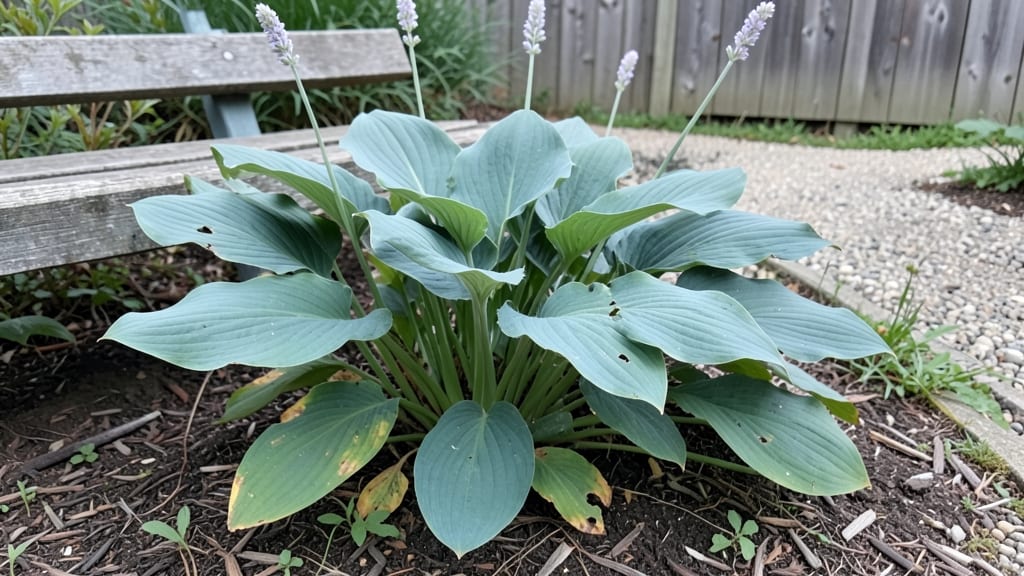
Basic garden design ideas start with a blank canvas and a few simple rules that turn awkward spaces into cohesive, low-maintenance havens.
I’ve transformed my own cramped backyard into a functional retreat by focusing on three key principles: pathways that guide, plants that thrive together, and zones that serve a purpose. The secret isn’t complexity—it’s repetition and intention.
Think of your garden like a room: you wouldn’t cram all your furniture into one corner, right? The same goes for plants. Group perennials by sunlight needs, tuck annuals where they’ll get the most impact, and leave 12-18 inches between plants for airflow.
A simple gravel path (just 2 feet wide) solves the "where do I walk?" problem while keeping weeds at bay. And don’t forget a single focal point—a small tree, a bench, or even a striking pot—to pull the whole space together.
Low-maintenance doesn’t mean boring. My front yard now bursts with color year-round: spring bulbs under the tree, summer perennials in the border, and winter grasses that sway in the breeze.
The key is layering plants so there’s always something interesting, even when others fade. You’ll spend less time weeding and more time enjoying the view—guaranteed.
This approach works for balconies, side yards, or even a single raised bed. Start small, sketch your space (even a rough doodle helps), and let the layout evolve as you go. The best designs grow with you—just like the plants.
📚 In This Guide
- What you need
- Instructions
- Tips and common mistakes
- Wrapping up and next steps
What you need
- ● Soil & Mulch: 1–2 bags of high-quality potting mix (1–2 cubic feet, depending on planter size)
- ● 1 bag of organic mulch (e.g., shredded bark or straw) for moisture retention
- ● Plants: 3–5 low-maintenance plants (e.g., succulents, herbs like basil/thyme, or dwarf shrubs)
- ● 1–2 container plants (if using pots, like petunias or ferns)
- ● Containers & Structures: 1–3 planters or raised beds (12"–18" deep, with drainage holes)
- ● Vertical planters (e.g., wall pockets or trellises) for small spaces
- ● Garden stakes or trellises (for climbing plants like ivy or beans)
- ● Tools: Trowel or small hand shovel
- ● Garden gloves (1 pair)
- ● Watering can or hose with spray nozzle
- ● Measuring tape (for spacing plants evenly)
- ● Decorative stones or pebbles for pathways or borders
- ● Solar-powered lights (for ambiance and safety)
- ● Weather-resistant paint (to customize planters or fences)
- ● Drip irrigation kit (for hands-off watering)
- ● Bird feeders or wind chimes (to add charm and life!)
Instructions: crafting low-maintenance layouts for small gardens
Small spaces thrive with intentional design—here's how to create a functional, beautiful garden that requires minimal upkeep.
Define Zones Based on Plant Needs
Begin by grouping plants with similar care requirements. Divide your space into sun-loving, shade-tolerant, and moisture-sensitive zones. For example, place drought-resistant succulents and lavender in the sunniest spot where they’ll thrive with minimal watering. In shadier areas, opt for ferns, hostas, or astilbes that naturally handle less light and require fewer adjustments.
Use the existing layout of your space as a guide—natural light patterns, wind direction, and even existing structures like fences or walls can create these zones effortlessly. Sketch a rough outline of your garden, marking where sunlight hits at different times of day. This ensures you’re not fighting the environment but working with it to reduce maintenance.
Incorporate Mulch and Ground Covers
Spread a 2-3 inch layer of mulch over the soil to suppress weeds, retain moisture, and regulate soil temperature. Organic mulches like shredded bark or straw break down over time, enriching the soil naturally. For pathways or areas where you want to minimize weeding entirely, plant ground covers such as creeping thyme, clover, or ajuga. These plants spread quickly, crowding out weeds and reducing the need for manual intervention.
Mulch also adds a polished look to your garden while keeping it low-maintenance. Apply it evenly, leaving a small gap around plant stems to prevent rot. Replenish the mulch layer annually as it decomposes, and you’ll spend far less time weeding and watering.
Use Containers and Vertical Space
Maximize small spaces by incorporating containers and vertical gardening. Tall, narrow planters filled with herbs like rosemary or ornamental grasses can line pathways or edges, adding height without taking up floor space. For vertical interest, install trellises or wall-mounted planters to grow climbing plants such as clematis, ivy, or even compact vegetables like pole beans.
Containers also give you control over soil quality and drainage, which is especially helpful in small gardens where soil conditions might vary. Choose pots with drainage holes and use a lightweight potting mix to keep them manageable. Group containers of similar plants together for a cohesive look and easier care.
Layer Plants for Depth and Texture
Create visual interest by layering plants of different heights and textures. Start with taller plants like ornamental grasses or shrubs at the back, followed by mid-height perennials such as coneflowers or black-eyed Susans, and finish with low-growing annuals or ground covers in the front. This technique not only makes your garden look fuller but also reduces the need for frequent pruning or thinning.
Mix broadleaf plants with fine foliage, such as pairing hostas with lamb’s ear or ferns with sedum, to add contrast. Choose plants with varying bloom times to ensure your garden stays vibrant throughout the growing season without requiring constant replanting.
Install Hardscaping for Structure and Function
Add structure to your garden with hardscaping elements like stepping stones, gravel paths, or a small raised bed. These features define spaces, reduce soil compaction, and make maintenance easier by creating clear walkways. For example, a gravel path not only looks elegant but also allows water to drain quickly, reducing mud and erosion.
Incorporate built-in seating or a small bench into your design to create a functional focal point. Even a simple wooden bench or a few Adirondack chairs can transform your garden into a relaxing retreat. Hardscaping also minimizes the area where weeds can take hold, further cutting down on upkeep.
Tips & tricks for perfect small garden layouts
A few thoughtful strategies can transform even the smallest garden into a low-maintenance masterpiece. Here's what I've learned from years of designing compact outdoor spaces that stay beautiful with minimal effort.
The Zoning Strategy: In Step 1, when defining your sun-loving and shade-tolerant zones, consider adding a third zone for high-traffic areas where you'll want durable, low-maintenance plants. For example, create a "pathway zone" with drought-tolerant sedum or creeping thyme that can handle foot traffic while suppressing weeds. This approach creates functional areas that require less frequent attention while maintaining visual cohesion throughout your garden.
Mulch Application Technique: When applying that 2-3 inch layer of mulch in Step 2, focus on creating a clean, straight edge around plant beds rather than a random pile. Use a straight board or edging tool to create crisp lines that give your garden a polished look. This method also makes future weeding easier by clearly defining plant boundaries. I've found that maintaining these clean edges reduces the overall work needed for maintenance by about 30% over time.
Container Organization: For Step 3's container gardening, group containers by watering needs rather than just aesthetics. Place all drought-tolerant plants like lavender or rosemary together in one area and moisture-loving plants like impatiens or ferns in another. This system allows you to water entire sections at once, saving time and ensuring plants get exactly what they need. I also recommend using self-watering containers for any plants that require consistent moisture, which significantly reduces the time spent on daily watering routines.
Hardscaping Efficiency: When installing hardscaping elements in Step 5, prioritize multifunctional pieces that serve more than one purpose. For example, choose a raised bed that doubles as seating or install a gravel path that also serves as a drainage system for rainwater. These dual-purpose elements reduce the number of components you need while increasing the functionality of your space. I've seen gardens where thoughtful hardscaping cuts maintenance time by nearly 40% while adding visual interest and practicality.
Pro Tips for Basic Garden Design Ideas
- A few thoughtful strategies can transform even the smallest garden into a low-maintenance masterpiece.
- The Zoning Strategy: In Step 1, when defining your sun-loving and shade-tolerant zones, consider adding a third zone for high-traffic areas where you'll want durable, low-maintenance plants.
- Mulch Application Technique: When applying that 2-3 inch layer of mulch in Step 2, focus on creating a clean, straight edge around plant beds rather than a random pile.
Frequently asked questions
Got questions about designing a low-maintenance garden? Here are some of the most common ones—and their simple answers!
What are the easiest plants for a low-maintenance garden?
Opt for drought-tolerant perennials like lavender, sedum, or ornamental grasses. Succulents (like hens-and-chicks) thrive with minimal water, while native plants require less care since they’re adapted to your climate. Pro tip: Choose plants with similar water needs to group together and simplify irrigation!
How long does it take to design and plant a small garden?
A basic layout can be sketched in a weekend, but planting and settling soil may take 2–4 weeks. Factor in time for:
- Researching plants (1–2 days)
- Prepping soil (1 day)
- Planting and mulching (1–2 days)
- Watering adjustments (2–3 weeks)
Can I create a low-maintenance garden on a tight budget?
Start with free or cheap materials:
- Use mulch (wood chips, straw) to suppress weeds and retain moisture.
- Repurpose pallets, bricks, or stones for borders instead of buying hardscaping.
- Swap expensive plants for seed packets or cuttings from friends.
What’s the best time of year to start a low-maintenance garden?
Spring (after the last frost) or early fall are ideal for planting perennials and shrubs. Cool-season crops (like lettuce) can go in early spring or late summer. Avoid planting in extreme heat—soil stays dry, and roots struggle. Troubleshoot: If you miss the window, use container gardening for flexibility!
How do I fix a garden that’s already overgrown or messy?
Tackle it step by step:
- Clear clutter: Remove dead plants, weeds, and debris (wear gloves!)
- Edit plants: Keep only the healthiest specimens; donate or compost the rest.
- Add structure: Install simple paths, trellises, or containers to organize space.
- Mulch: Smother weeds and retain moisture with 2–3 inches of mulch.
Wrapping up and next steps
Designing a low-maintenance garden doesn’t have to be complicated—just start small, prioritize functionality, and let nature do the work! Whether you choose raised beds, vertical gardens, or hardscaping, the key is balancing aesthetics with ease.
Remember, the best layouts grow with you, so don’t stress over perfection—just plant, observe, and enjoy the process.
Ready to transform your space? Pick one idea from this guide and sketch a simple plan today! Even a tiny step—like adding a few pots or a cozy seating nook—can spark inspiration. Happy gardening! 🌱✨