
Companion Plants
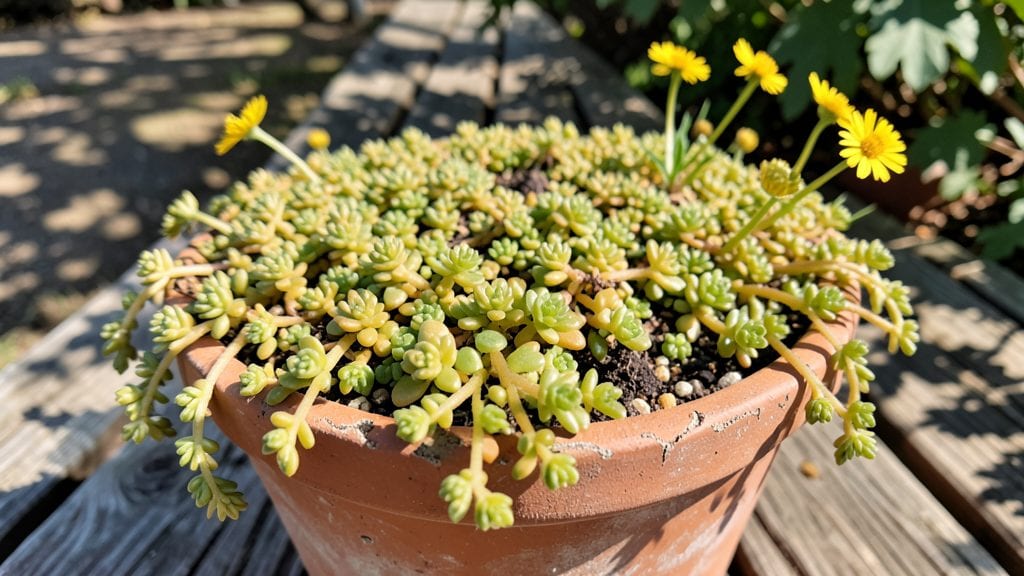
Creating a rock garden ground cover that thrives without fuss starts with the right plants. 🌿 I’ve designed my own drought-resistant layers that turn rocky slopes into lush, low-maintenance carpets—no watering hoses or weeding marathons required.
The secret lies in pairing plants that love dry soil, spread aggressively (but not invasively), and offer year-round texture, whether it’s the silver-blue foliage of creeping thyme or the deep green of Irish moss.
Most people assume rock gardens need high-maintenance succulents, but the best ground covers actually do the work for you. Think sedum for its trailing stems and ajuga for its purple winter interest—both stay compact, suppress weeds, and bounce back after drought.
These plants also play well with rocks: their shallow roots tuck into crevices while their foliage softens the sharp edges of boulders. The key is spacing them 6–12 inches apart so they fill in without crowding.
By summer’s end, your garden will look like it’s been there for decades—not just a few seasons. The contrast of mossy green, silvery-blue, and deep purple creates a layered effect that feels natural, not staged.
Plus, these plants need almost no pruning—just an occasional trim to keep them tidy. The best part? They’ll outlast any trendy annuals you’ve tried before.
Works equally well in full sun or partial shade, from desert climates to cooler mountain zones. Now let’s pick the perfect plants for your space—no guesswork involved.
Why Ground Covers Struggle in Rock Gardens
Rock gardens are stunning, but their harsh, well-drained conditions can make it tough for ground cover plants to thrive. Understanding the root causes—literally and figuratively—helps you choose the right species and create an environment where they can flourish.
Below, we break down the key reasons why ground covers may fail in rocky landscapes and how to address them.
Rock gardens absorb and radiate heat rapidly, creating microclimates with drastic temperature swings—especially in sunny, exposed areas. Ground cover plants adapted to moderate climates can suffer from:
- Heat stress: Rocks can reach 120°F+ (49°C+) in direct sunlight, baking shallow roots and causing desiccation. Plants like Sedum or Delosperma handle this better than moisture-loving options.
- Cold damage: At night, rocks lose heat quickly, creating frost pockets that freeze tender foliage. Evergreen ground covers (e.g., Thymus serpyllum) fare better than deciduous types.
- Root zone shock: Uneven heating can disrupt soil microbes, slowing nutrient uptake and weakening plants over time.
Actionable fix: Choose native or alpine species with thick, succulent leaves or deep root systems (e.g., Creeping Phlox, Ice Plant). Mulch with gravel or pebbles (not organic mulch) to moderate soil temps and reduce evaporation.
Rocky soil drains too quickly, leaving ground covers high and dry between waterings. Meanwhile, compacted layers beneath rocks can create waterlogged pockets, suffocating roots. Common problems include:
- Drought stress: Most ground covers need consistent moisture during establishment. Sandy or gravelly soil can’t hold water, leading to wilting or stunted growth.
- Root rot: If rocks are layered over clay or dense subsoil, excess water pools at the base, promoting fungal diseases like Phytophthora.
- Nutrient leaching: Frequent irrigation in rocky soil washes away organic matter, starving plants of essential minerals.
Actionable fix:
- Amend soil with compost or organic matter (but avoid heavy amendments that compact easily).
- Use hydro-mulch or peat moss in planting pockets to improve water retention.
- Opt for xeric ground covers (e.g., Hen & Chicks, Creeping Thyme) that thrive on infrequent watering.
Rock gardens are often cramped, with plants battling for light, nutrients, and root space. Overcrowding leads to:
- Stunted growth: Slow-spreading ground covers (e.g., Ajuga) get choked out by aggressive runners like Clover or Creeping Charlie.
- Nutrient theft: Fast-growing weeds or invasive plants (e.g., Hairy Bittercress) outcompete ground covers for nitrogen and phosphorus.
- Light deprivation: Tall rocks or overhanging shrubs cast deep shade, while sunny spots may leave ground covers exposed to harsh conditions.
Actionable fix:
- Space plants 12–24 inches apart (depending on mature size) to reduce competition.
- Use pre-emergent herbicides (like corn gluten meal) in early spring to block weeds.
- Choose low-competition ground covers like Saxifraga or Lobelia that fill gaps without spreading invasively.
Not all ground covers are created equal—some are too thirsty, too shade-dependent, or too aggressive for rocky terrain. Misjudging a plant’s needs leads to:
- Overwatering needs: Plants like Ajuga or Liriope rot in poorly drained rock crevices.
- Sunlight mismatches: Shade-loving Hosta or Fern ground covers wither in full sun.
- Aggressive spreaders: Mint or Coralberry take over, smothering delicate rock garden plants.
Actionable fix: Match plants to their USDA hardiness zone and light requirements. For rock gardens, prioritize:
- Drought-tolerant (e.g., Sedum, Dianthus)
- Alpine or Mediterranean natives (e.g., Aubrieta, Lewisia)
- Slow-to-moderate spreaders (e.g., Creeping Juniper, Dwarf Mondograss)
Pro tip: 💡 Test your site’s moisture level by digging a 6-inch hole—if water drains within 10 minutes, you need water-retentive amendments.
Fixing Common Ground Cover Challenges
Rock gardens thrive on low-maintenance beauty, but even the hardiest ground covers can face issues like overcrowding, weed invasion, drought stress, or soil erosion.
The good news? Most problems have simple, nature-friendly fixes. Below, we break down the most common challenges and how to tackle them—plus ways to prevent them from returning.
Cause: Ground covers spread too aggressively, smothering each other or blocking sunlight.
Fix It: 🔥 Thin Out Overgrown Areas
- Use sharp pruners or a spade to carefully divide dense patches, spacing plants 6–12 inches apart (depending on the species).
- Replant divisions in bare spots or share with fellow gardeners.
🍳 Prune Strategically
- Trim back overzealous spreaders like Creeping Thyme or Sedum in early spring to encourage bushier, less competitive growth.
- For aggressive runners (e.g., Ajuga), create a 2-inch "moat" around the garden edge to contain them.
👨🍳 Add Complementary Plants
- Mix fast-spreading ground covers (like Moss Phlox) with slower growers (e.g., Lamb’s Ear) to balance density.
Prevent It: ✨ Plan Spacing Upfront: Research mature spread rates before planting—some varieties (like Ice Plant) need more space than others. 🎯 Mulch Lightly: A 1-inch layer of gravel or bark helps reduce competition by suppressing weeds and slowing aggressive spread.
Cause: Weeds exploit bare soil or thin ground cover, stealing moisture and nutrients.
Fix It: 🔪 Hand-Pull Early
- Remove weeds before they seed (even tiny dandelions!). Use a tool like a weeding knife to avoid disturbing rocks or plants.
- For stubborn weeds (e.g., Crabgrass), apply a spot treatment of vinegar + dish soap (test on a small area first).
🥘 Lay Down Mulch or Gravel
- Top-dress with 1–2 inches of decomposed granite or pine needles to block sunlight and deter weeds.
- For rocky gaps, use living mulch like Clover or Creeping Jenny—they outcompete weeds naturally.
Prevent It: 💡 Plant Dense Ground Covers: Choose varieties like Delosperma (Ice Plant) or Sedum that spread quickly to leave no room for weeds. 🌡️ Water Deeply but Infrequently: Encourages deep roots in your ground cover, making it harder for weeds to take hold.
Cause: Even drought-resistant plants need occasional moisture, especially in hot climates or sandy soil.
Fix It: 💦 Adjust Watering Habits
- Water deeply 1–2 times per week (early morning is best) rather than daily shallow sprinkles.
- For newly planted ground covers, keep soil moist for the first 2–3 weeks.
🌿 Improve Soil Retention
- Amend soil with 10% compost to boost water-holding capacity.
- Group plants with similar water needs together (e.g., Sedum with Sempervivum).
Prevent It: 🔥 Choose Native or Succulent Varieties: Plants like Blue Fescue Grass or Hen & Chicks thrive with minimal water once established. ✨ Use Drip Irrigation: Delivers water directly to roots, reducing evaporation and waste.
Cause: Rain or foot traffic washes away soil, exposing roots and creating unsightly gaps.
Fix It: 🏗️ Stabilize with Erosion-Control Plants
- Plant Creeping Phlox or Dichondra along slopes—they form dense mats that hold soil in place.
- For steep areas, use Straw or Coir Mats temporarily until plants establish.
🪨 Add Retaining Structures
- Install stone borders or bamboo edging to contain soil and rocks.
- For large slopes, consider terraced planting with layered ground covers.
Prevent It: 🎯 Plant on a Slight Slope: Ensures water drains away from roots. 💪 Avoid Walking on Newly Planted Areas: Let roots establish for at least 3 months before heavy traffic.
With these targeted fixes, your rock garden’s ground cover will stay lush, weed-free, and resilient—year after year. 🌿 The key? Act early, choose the right plants, and give them the care they crave (not the care they don’t need).
Frequently asked questions
What are the best low-maintenance ground covers for hot, dry rock gardens?
For sun-baked rocky areas, prioritize sedum varieties like Dragon's Blood or Blue Spruce—they thrive on neglect and handle 120°F+ temps. Creeping thyme and Delosperma (Ice Plant) also excel, spreading easily while suppressing weeds. All three need minimal water once established.
Can I use moss as ground cover in a rock garden?
Yes! Sheet moss (like Irish Moss) thrives in shady, moist crevices between rocks, creating a lush carpet. For drier spots, reindeer moss (actually a lichen) works beautifully. Just keep moss moist for the first 2-3 weeks to help it establish.
How do I prevent ground covers from spreading too aggressively in my rock garden?
Start by spacing plants 12-18 inches apart—this gives them room to fill in without smothering each other. For aggressive spreaders like Ajuga, create a 2-inch gravel barrier around garden edges. Trim back overgrowth in early spring to encourage bushier growth instead of runners.
What's the best way to prepare rocky soil for ground cover plants?
Remove large rocks first, then loosen the top 4-6 inches of soil. Mix in 10% compost or peat moss to improve water retention, but avoid heavy amendments that compact easily. For extra drainage, add a 1-inch gravel layer beneath planting pockets.
Will ground covers survive winter in a rock garden?
Most rock garden ground covers are hardy, but evergreens like Creeping Juniper or Dwarf Mondograss handle cold best. For colder zones, choose Alpine plants (e.g., Saxifraga) or mulch with gravel to protect shallow roots. Avoid organic mulch—it can rot and create moisture problems.