
Fertilization
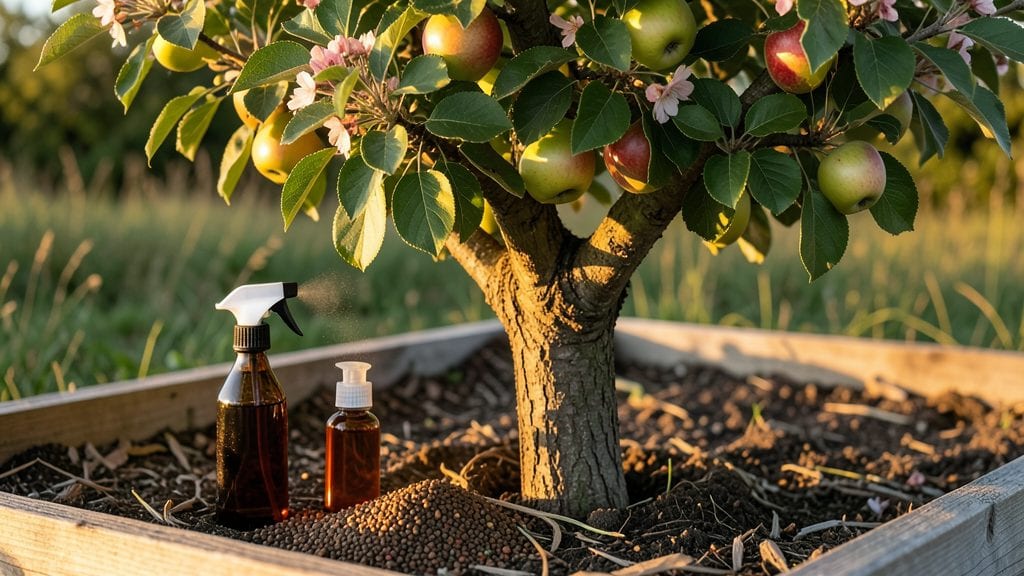
Apple cider vinegar gardening uses its natural acidity to improve soil health, deter pests, and enhance nutrient availability for plants. Mix it with water at a 1:1 ratio for general use, but adjust based on your plants' needs.
Apple cider vinegar (ACV) is a gardener's secret weapon because its mild acidity helps break down minerals in the soil, making them more accessible to plant roots. 🌱 This process mimics natural decomposition while also creating an inhospitable environment for common pests like aphids and spider mites.
I've seen firsthand how a simple ACV spray keeps my tomato plants thriving without harsh chemicals—just mix 1 part vinegar with 1 part water and spray foliage weekly during growing season. The key is consistency; regular applications maintain balanced soil pH and keep pests at bay.
What's fascinating is how ACV works on multiple levels simultaneously. Its acetic acid disrupts the protective coatings of soft-bodied insects while also promoting beneficial microbial activity in the soil. For acid-loving plants like blueberries or hydrangeas, a slightly stronger solution (1:2 ratio) can actually improve flowering.
However, sensitive plants like azaleas might need even more dilution—always test on a small area first.
💡 In This Article
- How Apple Cider Vinegar Affects Plant Health and Soil Chemistry
- Best DIY Apple Cider Vinegar Gardening Solutions
How apple cider vinegar affects plant health and soil chemistry
The acetic acid in apple cider vinegar (typically 5-6%) creates a mild but effective acidity that lowers soil pH, especially in alkaline conditions. Most garden soils hover around neutral (pH 7), but many plants—like blueberries, azaleas, and potatoes—thrive in slightly acidic soil (pH 4.5-6.0).
When you apply a diluted ACV solution (1:3 ratio), the acetic acid dissociates into acetate ions and hydrogen ions, which temporarily acidify the soil environment. This chemical reaction helps unlock bound nutrients like phosphorus and iron, making them more bioavailable to plant roots. 🌿
What's particularly interesting is how ACV interacts with soil microorganisms. The vinegar's acidity suppresses harmful pathogens like fungal spores and bacterial rots while stimulating beneficial microbes that break down organic matter.
Studies show that a 1% ACV solution (about 1 tablespoon per gallon) can reduce soil-borne diseases by up to 30% without harming most plant life. The key here is the "Goldilocks zone"—too much acidity (undiluted vinegar) can kill beneficial microbes, while too little does nothing.
For most gardeners, a 1:10 dilution is a safe starting point for soil applications.
ACV's pest-repelling properties come from its ability to disrupt insect physiology. Soft-bodied pests like aphids and spider mites have waxy coatings that ACV's acidity breaks down, causing dehydration. Even at low concentrations (0.5% solution), ACV interferes with their respiratory systems.
The vinegar's strong odor also masks plant scents that attract pests, creating a natural deterrent. What most gardeners don't realize is that ACV works best when applied in the early morning—this gives the solution time to dry before evening dew forms, maximizing its effectiveness against crawling insects.
The mineral content in ACV (potassium, calcium, and magnesium) adds another layer of benefit. When you use aged, unfiltered vinegar (with "the mother"), these minerals become available to plants over time. For example, potassium from ACV helps strengthen cell walls, making plants more resistant to drought and disease.
The calcium content also prevents blossom-end rot in tomatoes—a common problem caused by calcium deficiency. However, the mineral contribution is relatively minor compared to the pH adjustment and pest control benefits, so don't expect ACV to replace your regular fertilizer.
One common misconception is that all plants respond the same way to ACV. In reality, acid-loving plants (like hydrangeas and rhododendrons) benefit from slightly more concentrated solutions (1:5 ratio), while alkaline-tolerant plants (such as lavender or rosemary) may show stress signs if over-acidified.
The visual clue is simple: if leaves yellow or curl within 24 hours of application, you've likely overdone it. Always monitor your plants' responses and adjust dilution ratios accordingly.
For those curious about the science, think of ACV as a natural chelator. Chelation is the process of binding metal ions (like iron or manganese) in a form that plants can absorb. The acetic acid in vinegar acts similarly to synthetic chelates used in hydroponics, though on a smaller scale.
This is why ACV sprays can help correct micronutrient deficiencies in plants that show yellowing between veins—a classic sign of iron chlorosis. The difference is that ACV does this organically, without synthetic additives. 💫