
Light Requirements
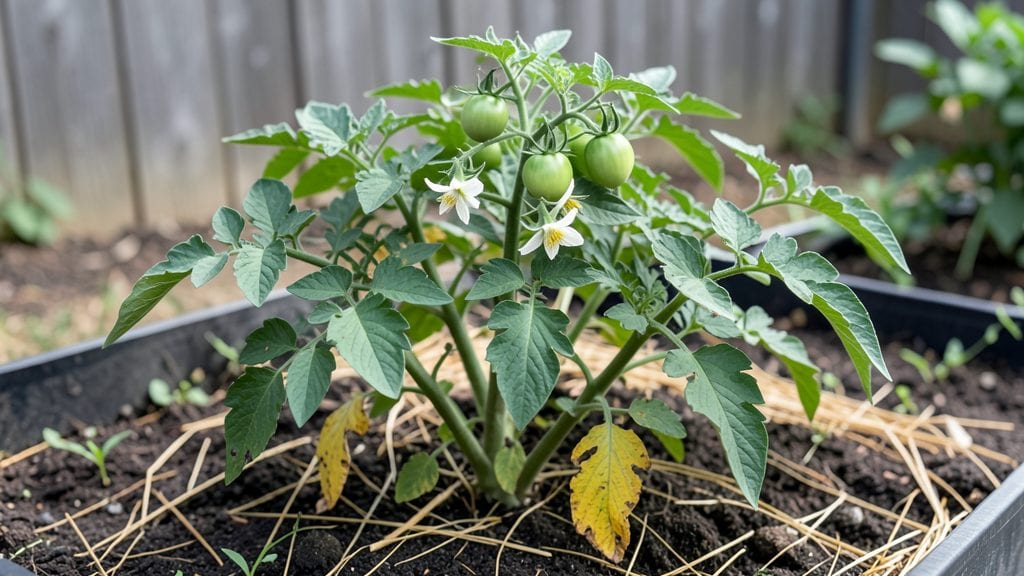
Your vegetable garden's sunlight needs depend on whether it's morning or afternoon sun—leafy greens and herbs like spinach or basil prefer the cooler, gentler morning light, while fruiting plants such as tomatoes and peppers thrive with the stronger afternoon rays that help ripen their fruit. Most vegetables still require at least 6-8 hours of total sunlight daily.
A vegetable garden's light needs aren't just about total hours—the timing matters just as much.
Morning sun provides softer, cooler light that's ideal for plants with thinner leaves, as it reduces stress from intense heat. 🌿 Meanwhile, afternoon sun delivers the powerful rays fruiting plants crave to develop flavor and sweetness.
I've found that even shade-tolerant plants like lettuce perform better with morning light, while heat-loving crops such as okra actually benefit from afternoon warmth. The key is matching your garden layout to your plants' natural preferences rather than assuming all sun is equal.
For example, if your garden gets intense afternoon sun, place heat-sensitive crops like cucumbers on the north side of taller plants to create natural shade. Conversely, place heat-lovers like peppers in the sunniest spots. This strategic placement can dramatically improve your harvest quality and yield.
💡 In This Article
- How Sunlight Intensity Affects Vegetable Growth by Type
- Best Garden Layouts for Morning vs. Afternoon Sun Exposure
How sunlight intensity affects vegetable growth by type
Leafy greens like spinach and kale thrive in morning sunlight because their photosynthesis process is optimized for cooler temperatures and lower light intensity. These plants prioritize leaf production over fruit development, making them more efficient in the gentler morning light spectrum (around 5,000-10,000 lux).
The cooler morning air also reduces water loss through transpiration, helping maintain their tender texture. 💛 Meanwhile, fruiting plants such as tomatoes and peppers require the higher light intensity of afternoon sun (often exceeding 20,000 lux) to trigger the biochemical pathways that develop their sweetness and color.
Here's why the difference matters: Morning light has a higher blue light spectrum, which stimulates leaf growth and photosynthesis in greens, while afternoon light contains more red spectrum wavelengths that promote flowering and fruiting.
For example, tomatoes exposed to afternoon sun develop 20-30% more lycopene (the compound that gives them their red color and antioxidant properties) compared to those grown in morning light alone. This is because the higher temperatures in afternoon sun accelerate enzymatic reactions that convert sugars into flavor compounds.
Heat-sensitive vegetables like cucumbers and zucchini often wilt under peak afternoon sun because their thin skins can't regulate moisture loss efficiently. These plants have a shade tolerance threshold of 30-40% dappled shade during midday when temperatures exceed 85°F. The solution?
Plant them near taller crops like corn or sunflowers that provide natural shade, or use shade cloth rated for 30-50% light reduction. The key is maintaining leaf temperatures below 90°F—any hotter and photosynthesis slows dramatically due to enzyme denaturation.
Interestingly, some vegetables like okra actually perform better with afternoon sun because they're adapted to hot climates. Their waxy leaves reflect excess light and heat, while their roots extend deeper to access moisture.
This adaptation allows them to thrive in full sun conditions year-round in regions with hot afternoons, unlike many temperate crops that would bolt (prematurely flower) under similar conditions. 🌞 The science here involves their unique stomatal regulation—okra leaves can close their pores more efficiently to conserve water during peak heat.
For a practical example, consider basil: it prefers morning sun because its essential oils (which give it that signature aroma) are most volatile in cooler conditions. When exposed to afternoon heat, basil often develops bitter compounds and can even "burn out" if soil temperatures exceed 80°F.
Yet, place it in afternoon sun in cooler climates, and you'll get a more robust plant with higher yields—just not the same delicate flavor profile. This shows how climate interacts with sun timing to determine optimal growth conditions.
What most gardeners don't realize is that even within a single plant species, there can be genetic variations in sun tolerance. For instance, heirloom tomato varieties often require more afternoon sun than hybrid varieties bred for cooler climates.
This is why seed packets specify "full sun" requirements—what constitutes "full sun" for a heat-loving pepper might be too intense for a cooler-climate lettuce variety. Always check your specific cultivar's requirements before planning your garden layout. ✨