
Vegetables
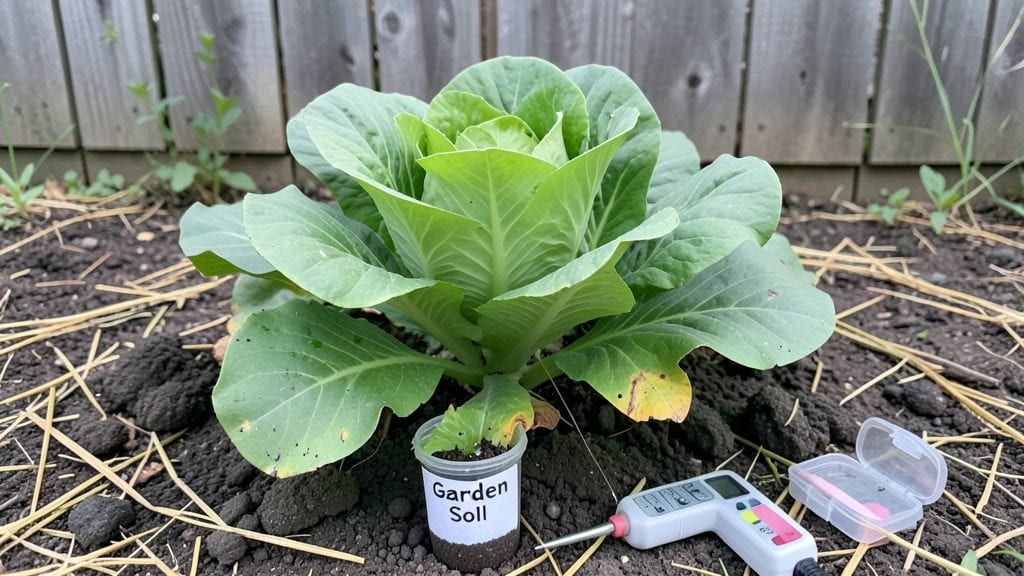
The best pH for a vegetable garden ranges between 6.0 and 7.0, creating ideal conditions for most crops. Leafy greens like spinach and lettuce thrive in this neutral range, while tomatoes and peppers prefer a slightly more acidic environment around 6.0-6.8, and blueberries absolutely demand 4.5-5.5 for peak flavor and yield.
The pH scale measures how acidic or alkaline your soil is, and it directly impacts which nutrients your plants can access. 🌱 For example, a pH of 6.5 might make nitrogen abundant for your tomatoes, but too alkaline soil could lock out essential micronutrients like iron, leading to yellowing leaves despite plenty of water.
That’s why I always test my soil before planting—it’s the difference between a thriving garden and one that struggles, even with perfect sunlight and watering. Most garden centers sell affordable pH test kits, and they’re worth the investment for anyone serious about growing vegetables.
What’s interesting is how different plants react to the same soil conditions. Blueberries, for instance, won’t grow well in soil with a pH above 5.5, while carrots and onions actually prefer a slightly acidic environment around 6.0-6.5.
This is why many gardeners create separate beds for acid-loving plants like blueberries and rhubarb, using organic amendments like peat moss or pine needles to keep the pH in check.
💡 In This Article
- How Soil pH Affects Nutrient Uptake in Vegetables
- Adjusting Garden Soil pH: Step-by-Step Guide
How soil pH affects nutrient uptake in vegetables
Soil pH directly controls which nutrients become available to your plants' roots. Here's what's actually happening: pH determines the electrical charge of soil particles and nutrient molecules. At pH 6.0-7.0, most essential nutrients like nitrogen, phosphorus, and potassium exist in forms that plant roots can easily absorb.
For example, nitrogen—crucial for leafy growth—is most bioavailable in this range, while phosphorus (needed for root development) becomes locked up in alkaline soils above pH 7.5.
The chemistry gets even more interesting with micronutrients: iron, zinc, and manganese become nearly inaccessible to plants in alkaline soils because they form insoluble compounds.
Let's look at specific examples: At pH 6.5, your tomato plants will have perfect access to all their required nutrients, but push that pH to 8.0 and you'll see iron deficiency symptoms like yellowing leaves (chlorosis) because the iron forms iron hydroxide precipitates that roots can't utilize. 🌱 This is why your soil test results should include both pH and nutrient availability data—not just the pH number alone.
The availability of phosphorus drops dramatically above pH 7.0, which explains why many vegetable plants struggle in alkaline soils despite having plenty of phosphorus present in the soil.
Root growth patterns also change dramatically with pH. In ideal 6.0-7.0 conditions, roots develop extensive networks that efficiently explore the soil for nutrients.
However, when soil becomes too acidic (pH 5.0) or alkaline (pH 8.0), roots grow shorter and thicker as a survival mechanism, reducing their ability to absorb water and nutrients.
This is why plants in extreme pH conditions often show stunted growth even when given plenty of fertilizer—their roots simply can't access what's available in the soil.
Disease resistance also takes a hit at extreme pH levels. Soil that's too acidic can become more prone to fungal infections because the low pH environment favors certain pathogenic microorganisms.
Conversely, alkaline soils often develop calcium deficiencies in plants, making them more susceptible to blossom-end rot in tomatoes and other calcium-related disorders. The pH also affects beneficial soil microbes: mycorrhizal fungi (which help plants absorb phosphorus) thrive in pH 6.0-7.0 but become less active outside this range.
What most gardeners don't realize is how quickly pH can shift in different parts of the same garden. I've tested beds just a few feet apart with pH differences of 0.5-1.0 points—enough to significantly impact plant performance.
This variation happens because different plants release different compounds through their roots that alter soil chemistry. Legumes, for example, naturally acidify soil through nitrogen fixation, while grasses tend to make soil more alkaline. Understanding these interactions helps explain why some garden areas consistently produce better results than others.
Consider this practical example: If you're growing blueberries in pH 5.0 soil, they'll have perfect access to all their required nutrients, but try growing carrots in the same soil and you'll likely see poor growth because carrots prefer pH 6.0-6.5.
The key is matching each plant's specific nutrient requirements to the soil's pH characteristics. This is why successful vegetable gardeners often create separate growing areas for different plant families, each with its own pH management strategy.