
Plants
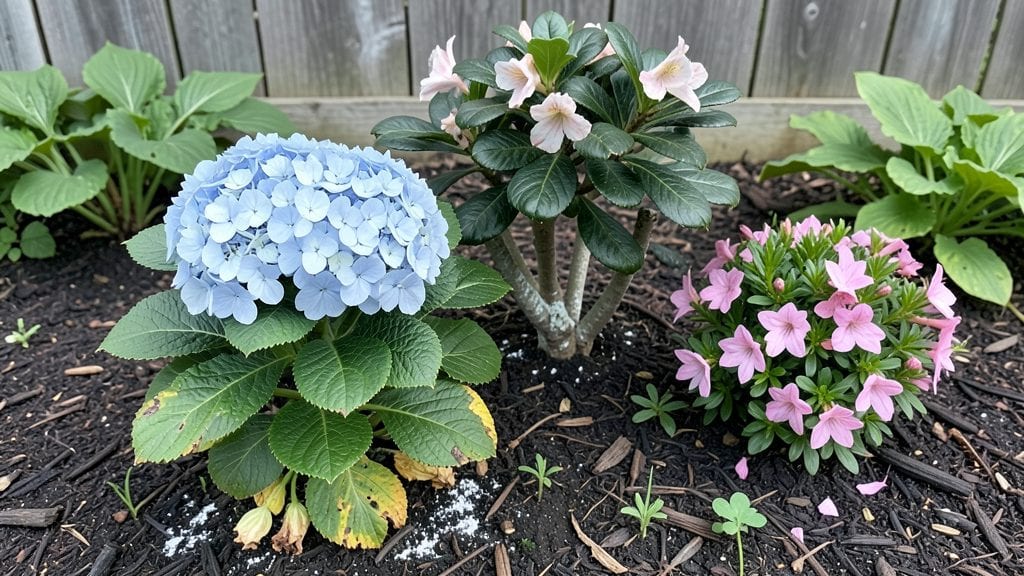
Garden plants that need lime to thrive include azaleas, hydrangeas, rhododendrons, and vegetables like Brussels sprouts, cabbage, and broccoli. These plants prefer alkaline soil (pH 6.5–7.5), and lime helps correct acidic soil, preventing issues like iron chlorosis.
Lime isn't just for treating lawns—it's a game-changer for plants that struggle in acidic soil. 🌱 When you add lime, it slowly neutralizes excess acidity, making nutrients like calcium and magnesium more available.
This is especially critical for vegetables like kale and mustard greens, which often show stunted growth when soil pH drops too low. The key is testing your soil first—most garden centers offer simple test kits, and knowing your baseline helps you apply the right amount without overdoing it.
Too much lime can actually make the soil too alkaline, which causes its own set of problems for plants that prefer slightly acidic conditions, like blueberries.
💡 In This Article
- How Lime Adjusts Soil pH for Acid-Sensitive Plants
- Best Plants and Vegetables That Benefit from Lime
How lime adjusts soil pH for acid-sensitive plants
When you add lime to acidic soil, you're essentially starting a slow chemical reaction that transforms hydrogen ions (H+) into water. Most garden lime contains calcium carbonate (CaCO₃), which reacts with soil acids to form calcium bicarbonate—a neutral compound.
This process gradually raises the pH level, making the soil less acidic over 2-6 months, depending on your climate and soil type. The magic happens because calcium ions replace hydrogen ions on soil particles, creating a more stable environment for plant roots. 🌱
What makes lime so effective is its dual role: it not only adjusts pH but also supplies essential nutrients. As lime dissolves, it releases calcium and magnesium—two nutrients that become more available in neutral pH conditions.
For example, calcium helps strengthen cell walls, while magnesium is crucial for chlorophyll production. The key is application timing: spread lime in early spring or fall when soil is moist but not frozen, allowing it to work its way into the root zone before planting season.
Too much lime can lock out other nutrients like iron and manganese, so aim for 5-10 pounds per 100 square feet for most garden soils.
Here's where things get interesting: plants like hydrangeas and blueberries have opposite needs. Hydrangeas thrive in pH 6.5-7.5 and will show yellowing leaves (chlorosis) if soil is too acidic, while blueberries need pH 4.5-5.5 to access iron.
This is why soil testing is non-negotiable—most home test kits cost under $20 and give you precise pH readings.
The test also reveals your soil's buffer capacity, telling you how much lime will actually change the pH. For instance, sandy soils need more frequent lime applications than clay soils because they drain faster and have lower buffering capacity.
The long-term effects of proper liming extend beyond just pH numbers. Well-limed soil improves microbial activity, helping beneficial bacteria and fungi break down organic matter more efficiently. This creates a healthier rhizosphere—the zone around roots where nutrient exchange happens.
You'll notice plants develop stronger root systems and better resistance to diseases like powdery mildew. However, over-liming can create a sodium hazard in some soils, particularly in arid regions where evaporation concentrates salts. Always follow local extension service recommendations for your specific soil type.
One common misconception is that all lime is created equal. There are actually three main types: pelletized (easy to spread), agricultural (coarser, better for large areas), and dolomitic (contains magnesium).
For vegetable gardens, dolomitic lime is often preferred because it addresses magnesium deficiencies that show up as yellowing between leaf veins. The reaction rate also varies—pelletized lime works faster in moist conditions, while coarse lime takes longer but lasts through multiple growing seasons. 💫
What most gardeners don't realize is how lime affects nutrient availability in a cascading effect. When pH rises from 5.5 to 6.5, phosphorus becomes 10 times more available to plants, while zinc and copper become more soluble.
This explains why lime-treated soils often produce vegetables with better flavor and color. The catch? You'll need to re-test your soil every 2-3 years, especially if you're growing heavy feeders like corn or tomatoes that can acidify soil quickly.
Many gardeners keep a small notebook with their soil test results to track these changes over time.
For container gardeners, the approach differs slightly. Since potting mixes have limited buffering capacity, you'll need to use 1-2 teaspoons of lime per gallon of mix and monitor plants closely.
The visual difference is dramatic—lime-loving plants like asparagus will show new fronds within 2-3 weeks of proper treatment, while acid-lovers like azaleas may develop deep purple foliage when soil pH is just right. This is your cue that the soil chemistry is working perfectly. ✨