
Fertilization
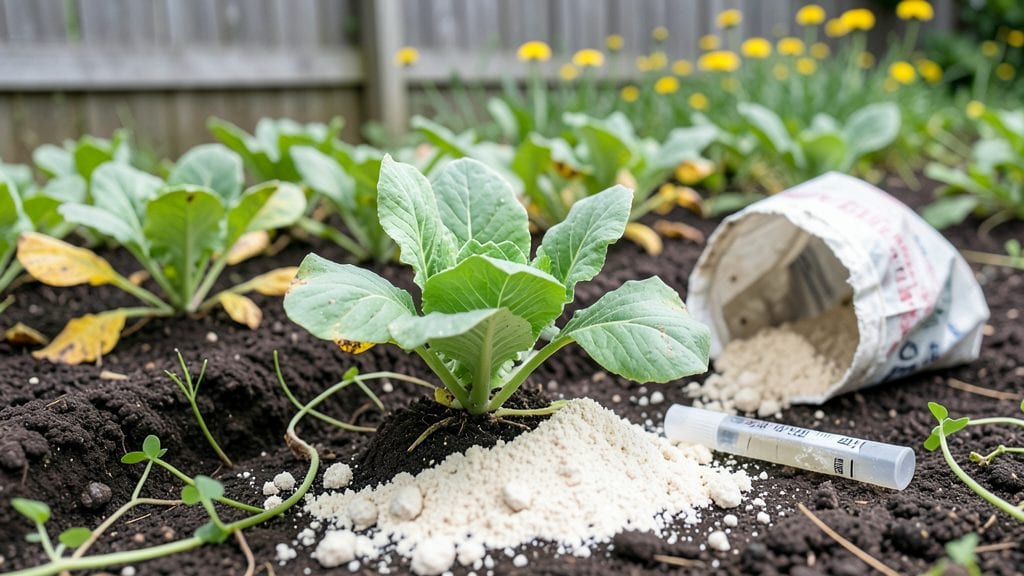
Calcium carbonate gardening helps neutralize acidic soils by raising pH levels gradually, making it ideal for plants like tomatoes, peppers, and blueberries that thrive in slightly alkaline conditions. Apply sparingly—1 to 2 pounds per 100 square feet—and work it into the top 6 inches of soil for best results.
Calcium carbonate, often called garden lime, works by reacting with hydrogen ions in acidic soil to form water and carbon dioxide, effectively lowering soil acidity over time. 🌱 Unlike quick-lime, which can cause rapid pH spikes, this compound adjusts soil chemistry more gently, preventing plant stress.
The slow-release nature means you won’t need frequent reapplication, but testing your soil’s pH first is crucial—most vegetables prefer a range between 6.0 and 7.0.
For best results, apply in early spring before planting or in fall after harvest when soil is moist but not waterlogged.
A simple soil test kit will tell you how much to use—acidic soils (below 6.0) may need up to 3 pounds per 100 square feet, while slightly acidic soils (6.0–6.5) only require 1–2 pounds. Always wear gloves when handling, as prolonged exposure can irritate skin.
💡 In This Article
- How Calcium Carbonate Adjusts Soil pH Chemistry
- Best Practices for Applying Calcium Carbonate in Gardens
How calcium carbonate adjusts soil pH chemistry
When calcium carbonate (CaCO₃) meets acidic soil, it triggers a chemical reaction that neutralizes excess hydrogen ions (H⁺). The process begins with CaCO₃ dissolving slightly in water, releasing calcium (Ca²⁺) and bicarbonate (HCO₃⁻) ions.
These bicarbonate ions then react with H⁺ ions in the soil, forming carbonic acid (H₂CO₃), which quickly breaks down into water (H₂O) and carbon dioxide (CO₂). This reaction effectively removes H⁺ ions from the soil solution, raising the pH gradually over weeks rather than minutes. 🔥
The slow-release nature of calcium carbonate makes it ideal for gardeners. Unlike quick-lime (calcium oxide), which reacts violently with water to form caustic calcium hydroxide and can cause rapid pH spikes, calcium carbonate works steadily.
For example, quick-lime can raise soil pH by 1.5–2.0 points in a single application, potentially harming sensitive plants, while calcium carbonate typically adjusts pH by 0.5–1.0 points per application. This gentle approach prevents nutrient lockout and root stress.
Dolomitic lime (calcium-magnesium carbonate) offers a different balance. While it also raises pH, its magnesium content provides an additional nutrient boost, which is beneficial for soils deficient in magnesium. However, if your primary goal is pH adjustment without added magnesium, pure calcium carbonate is the better choice.
The key difference lies in their solubility rates—dolomitic lime dissolves slightly slower, extending its buffering effect over a longer period. 💫
Soil texture plays a critical role in how effectively calcium carbonate works. In sandy soils, which have larger particles and less organic matter, the reaction occurs more quickly because water and air move freely. In contrast, clay soils hold moisture and nutrients tightly, slowing the dissolution process.
This is why a light application in spring followed by thorough watering ensures even distribution and optimal reaction rates across different soil types.
What most gardeners don’t realize is that calcium carbonate doesn’t just neutralize acidity—it also improves soil structure by promoting the formation of stable aggregates. The calcium ions help bind soil particles together, enhancing water retention and root penetration.
For instance, a 1-pound application per 100 square feet in a 6.0 pH soil will typically raise the pH to 6.5–6.8 within 4–6 weeks, creating an ideal environment for vegetables like tomatoes and peppers.
To maximize effectiveness, avoid applying calcium carbonate during dry periods. The chemical reaction requires moisture to dissolve the compound and initiate the pH adjustment. If you apply it in dry soil, the particles may remain inert until water is added, delaying results.
Always work it into the top 6 inches of soil where most root activity occurs, and retest pH after 8–12 weeks to determine if additional applications are needed. ✨
For comparison, here’s how the three liming agents stack up:
- Calcium carbonate: Gentle, slow-acting, ideal for precise pH adjustments (best for 6.0–7.0 pH range
- Quick-lime (CaO): Fast-acting but aggressive, best for extreme acidity (pH below 5.0
- Dolomitic lime: Slower than calcium carbonate but adds magnesium, suitable for magnesium-deficient soils
- Quick-lime (CaO): Fast-acting but aggressive, best for extreme acidity (pH below 5.0