
Picking
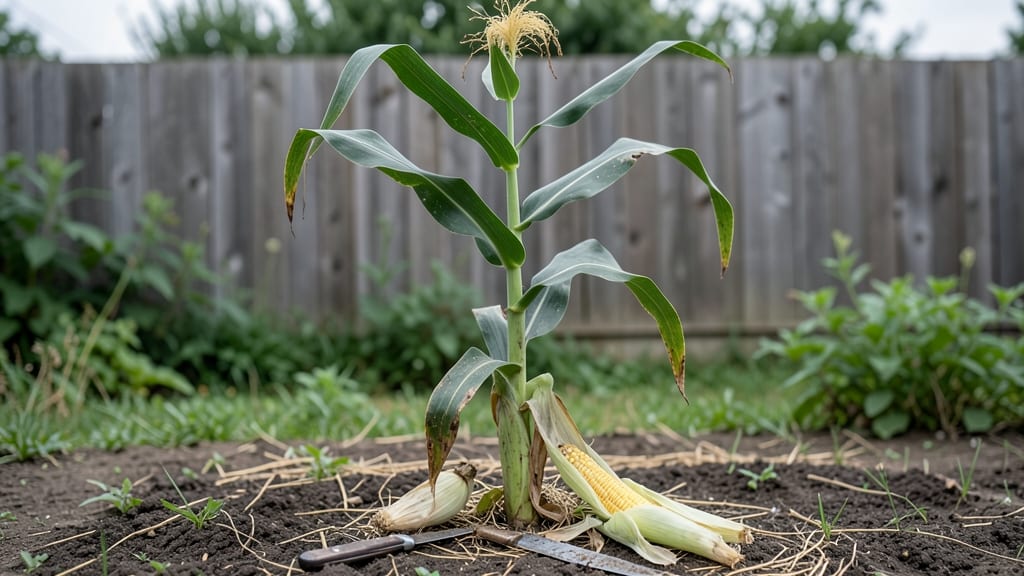
Picking corn from your garden at the right time means the difference between sweet, juicy kernels and tough, starchy disappointment.
Nothing beats the taste of fresh, homegrown corn—if you pick it at the perfect moment. But how do you know when those golden ears are ready? Get it wrong, and you’ll end up with tough kernels or shrunken cobs.
Most gardeners wait too long, missing the milk stage when kernels are plump and packed with natural sweetness. The trick is watching the silks turn brown and using the fingernail test to check kernel firmness.
Here’s how to master the timing—so you can enjoy corn at its peak, straight from your Zone 6a garden to the table.


How to tell when corn is ready by silk color & kernel development
Harvesting corn at the right moment transforms your garden into a sweet, golden treasure. The key lies in two simple but critical visual cues: the silk color and kernel development. When these align perfectly, you’ve hit the peak sweetness window—typically 18–22 days after pollination.
Miss this window, and you risk starchy, tough kernels or ears that shrink back into the husk. Let’s break down exactly what to look for.
Start by examining the silks, those delicate strands emerging from the top of the ear. Fresh silks are bright green and moist, signaling the plant is still pollinating. As the silks dry out and turn brown, that’s your first green light.
However, don’t rush—wait until they’re crispy and brittle to the touch. This shift indicates the kernels are nearing maturity, but timing is everything. Overripe silks mean the corn is past its prime.
Next, focus on the kernels themselves. At peak ripeness, they should be plump and firm, with a milky-white liquid oozing when pierced with your fingernail. This is called the milk stage, and it’s the sweetest phase.
If the liquid is clear or watery, the corn is underripe. If it’s translucent or starchy, you’ve waited too long and the kernels will be tough.
Here’s a quick reference to help you visualize the perfect moment:
A physical test can confirm your visual assessment. Gently squeeze the ear—if it feels heavy and full, it’s ready. If it’s light or hollow-sounding, the kernels haven’t developed enough.
Pro tip: Harvest in the morning when sugars are at their peak. This simple habit ensures your corn stays sweet and crisp, even after a few hours in the kitchen.
Don’t overlook the husks either. They should feel snug but not tight. If they’re loose or cracked, the ear may have dried out or been damaged. Always trim the husks just before cooking to preserve freshness.
For sweet corn varieties, like ‘Silver Queen’ or ‘Ambrosia,’ timing is even more critical—they lose sweetness faster than field corn.
Regional growing seasons can shift your harvest window slightly. In warmer climates (Zones 8–10), corn may mature 2–3 weeks earlier than in cooler areas. Conversely, short-season varieties (like ‘Early Sunglow’) are bred to ripen in 60–70 days, making them ideal for northern gardeners.
Always check your seed packet for days to maturity and adjust your harvesting schedule accordingly.
One common mistake is assuming all corn is ready at once. In reality, ears on the same plant can mature 3–5 days apart. To avoid waste, harvest every 2–3 days once the first ears reach peak ripeness.
This staggered approach ensures you enjoy consistent freshness throughout the harvest season. Plus, it gives you a chance to sample test a few kernels—because nothing beats that first bite of perfectly ripe, homegrown corn!
If you’re growing multiple corn varieties, keep a small notebook nearby. Jot down planting dates and harvest observations to refine your timing next year. Over time, you’ll develop an intuition for when your specific corn is ready to pick.
Until then, trust the silks, kernels, and squeeze test—they’re your garden’s way of whispering, “It’s time!”
Once you’ve mastered these cues, you’ll never second-guess your corn harvest again. The reward? Buttery, sweet kernels that taste like summer in every bite. Now grab those shears, head to the garden, and enjoy the fruits of your labor—literally!
Common mistakes that ruin your corn harvest (and how to avoid them)
Even experienced gardeners can fall into traps when harvesting corn. The biggest mistake? Waiting too long for that "perfect" ear. By the time silks turn completely brown and brittle, sweet corn varieties often lose their tender texture and convert to starch, turning mealy.
For field corn or popcorn, this shift isn’t as critical, but timing still affects flavor and storage life.
Another common error is picking based on size alone. Just because an ear looks plump doesn’t mean it’s ready. Some varieties—like supersweet corn—develop starchy kernels faster than others.
Always double-check the kernel milk stage (more on this below) before harvesting. Ignoring this step leads to disappointment when you slice into tough, pasty kernels instead of sweet, juicy bites.
If you wait until silks are completely dry and brown but kernels are translucent or chalky, you’ve missed the window. Sweet corn loses 50% of its sugar within 24–48 hours of peak ripeness. For field corn, this means lower starch quality, while popcorn may not pop properly.
🌽 Pro Tip: Harvest sweet corn when silks are 50–75% brown and kernels are milky-white when pierced.
Don’t assume all corn varieties mature at the same rate. Sweet corn (like 'Silver Queen' or 'Ambrosia') typically reaches harvest in 18–22 days after pollination, while field corn (used for animal feed) needs 60–90 days. Popcorn falls somewhere in between, often ready in 70–90 days.
Planting a mix of varieties without tracking their individual timelines can lead to a harvest where some ears are perfect and others are overripe.
Harvesting in hot afternoons is another mistake. Corn continues to convert sugars to starch even after picking. To preserve sweetness, harvest in the early morning when temperatures are cooler. This simple adjustment can make a 30–50% difference in flavor retention.
Store freshly picked corn in the fridge for up to 5–7 days (unhusked) or freeze it immediately for long-term storage.
Finally, overcrowded plants can trick you into thinking corn is ready when it’s not. When plants compete for nutrients, ears may look full but lack proper development. Thin your corn patch early to give each plant 12–18 inches of space.
This ensures even growth and consistent ripening across all ears. Skipping this step often results in uneven harvests where some ears are stunted while others overmature.
With these adjustments, you’ll avoid the most common pitfalls and enjoy corn at its peak—sweet, tender, and full of flavor. The key is paying attention to silk color, kernel texture, and variety-specific timing rather than relying on guesswork. Happy harvesting! 🌽