
Picking
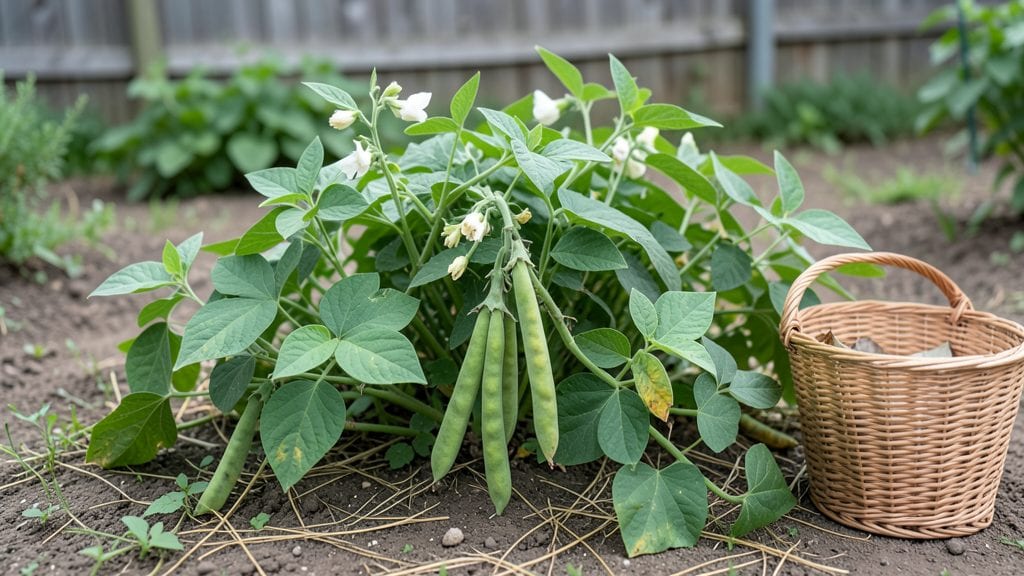
Picking beans from your garden at the right moment turns tender, sweet pods into your table—miss it, and you’re left with tough, stringy disappointment.
Harvesting at the wrong time can mean the difference between a crisp, flavorful bite and a chewy mouthful. For green beans 🌱, timing is everything, and knowing when those pods are perfect for picking is the secret to a bountiful harvest.
Most gardeners wait for pods to reach 4 to 6 inches long, but color, firmness, and even the snap test play a role. Too early, and they’re underdeveloped; too late, and they toughen up fast.
In this guide, I’ll walk you through the exact cues—from pod size to seed plumpness—to ensure you pick your beans at their peak, every time.


How to identify perfect bean harvest size by variety
Beans are one of the most rewarding garden crops, but timing your harvest is everything. Snap beans, shelling beans, and pole beans all have specific size benchmarks that guarantee peak flavor and texture.
Harvest too early, and you’ll get underdeveloped pods; too late, and they’ll turn tough or bitter. Let’s break down the exact pod sizes and visual cues for each variety to ensure you never miss the perfect moment.
For snap beans (like Blue Lake or Romano), the ideal harvest size is typically 4 to 6 inches long. These pods should be crisp, straight, and snap easily when bent—think of the satisfying crunch test.
If you hear a sharp snap, it’s time to pick. Many gardeners also look for vibrant green color without any yellowing or browning, as these are early signs the bean is past its prime.
Shelling beans (such as Kentucky Wonder or Lima beans) are harvested when the pods are fully developed but before the seeds get too large. Aim for pods that are 6 to 8 inches long and feel firm to the touch.
The seeds inside should be plump and round, filling about half the pod’s length. If the seeds are bulging or the pod feels woody, you’ve waited too long, and the beans will lose their sweetness.
Pole beans, which climb trellises or stakes, often mature slightly later than bush varieties. Their ideal harvest size is usually 5 to 7 inches, depending on the specific variety. Blue Lake pole beans, for example, should be harvested at 5 inches for the best texture, while Scarlet Runner beans (often dried) can wait until 7 to 8 inches. Always check the seed packet for variety-specific guidelines, as some pole beans are grown for both fresh and dried use.
| Bean Type | Ideal Harvest Size | Seed Development | Pod Texture | Common Mistake |
|---|---|---|---|---|
| Snap Beans | 4–6 inches | Seeds small, barely visible | Crisp, snaps when bent | Waiting until pods yellow |
| Shelling Beans | 6–8 inches | Seeds plump, half pod length | Firm, not woody | Harvesting when seeds bulge |
| Pole Beans (Blue Lake) | 5–6 inches | Seeds tiny, barely visible | Tender, straight pods | Overlooking lower pods |
| Pole Beans (Scarlet Runner) | 7–8 inches | Seeds firm, dry slightly | Leathery, not brittle | Picking when pods curl |
Avoid the temptation to harvest based solely on pod color. While vibrant green is ideal for snap beans, some varieties (like Purple Podded beans) change color as they mature. Instead, focus on size and texture.
For example, Wax beans (yellow snap beans) should be 4 to 5 inches long and have a slight waxy sheen. If the pods start to lose their gloss or develop spots, they’re overripe.
One of the biggest mistakes gardeners make is harvesting too infrequently. Beans produce continuously, and leaving pods on the plant for too long signals the plant to stop flowering. Aim to harvest every 2 to 3 days during peak production.
Use sharp pruning shears or a knife to cut pods just above the leaf nodes to avoid damaging the plant. This also makes it easier to spot new pods forming at the base of the plant.
If you’re unsure whether a bean is ready, perform the snap test: hold the pod between your thumb and forefinger and gently bend it. A crisp snap means it’s perfect; a dull sound or bend without snapping means it’s past its prime.
For shelling beans, gently squeeze the pod—if it feels too soft or the seeds rattle, it’s time to pick. Overripe beans often develop wrinkled seeds or dry, leathery pods, which can affect the next season’s yield if left on the plant.
Remember, variety matters. Some heirloom beans, like Jacob’s Cattle or Christmas Lima, have unique harvest windows. Always check the seed packet for specific guidance, especially if you’re growing dried beans, which require different timing.
For example, dried pinto beans are harvested when the pods turn yellow and dry on the vine, while fresh pinto beans are picked at 5 to 6 inches with plump seeds.
Pro tip: Keep a small notebook by your garden
Color and texture signals that beans are ready to harvest
When judging bean readiness, pod color and texture often speak louder than size alone. A bright green hue signals peak freshness for most varieties, while yellowing pods indicate overmaturity. For wax beans, a creamy white or pale yellow exterior marks the perfect window—these beans lose crispness quickly once picked.
Texture is your secret weapon for flavor. A firm pod that snaps crisply when bent (like a fresh green bean) means it’s at its sweetest. If the pod feels soft or rubbery, it’s past its prime.
For shelling beans, check the seed development: plump but not bulging seeds mean optimal harvest time—overripe seeds turn hard and woody.
Don’t overlook the stem attachment. A clean break at the stem indicates a pod picked at the right moment, while a tough or fibrous stem suggests the bean has lingered too long.
This is especially true for pole beans, which mature faster than bush varieties and require more frequent checks.
🌱 Key Takeaway: When to Pick Beans
Bright green (snap), creamy white (wax), or consistent variety hue
Firm, crisp pods that snap easily
Plump but not bulging (shelling beans)
Morning harvests for best flavor
For dried beans, the signals shift dramatically. Wait until pods turn tan or brown and feel papery—this means the seeds inside have fully dried.
If you crack open a pod and see hard, dark seeds, you’ve missed the boat. Harvest timing for dried beans is less forgiving, as they lose quality faster once mature.
Weather plays a sneaky role too. After a hot spell, beans mature faster, so check pods more frequently. Conversely, cool, cloudy days slow ripening—your usual cues might lag by a few days. Always test a few pods by snapping them before committing to a full harvest.
Pro tip: Harvest early in the morning when pods are cool and crisp. This preserves flavor longer and gives you the best texture for meals or storage. If you’re unsure, pick a few pods to taste-test—your palate is the final judge of readiness!