
Tools
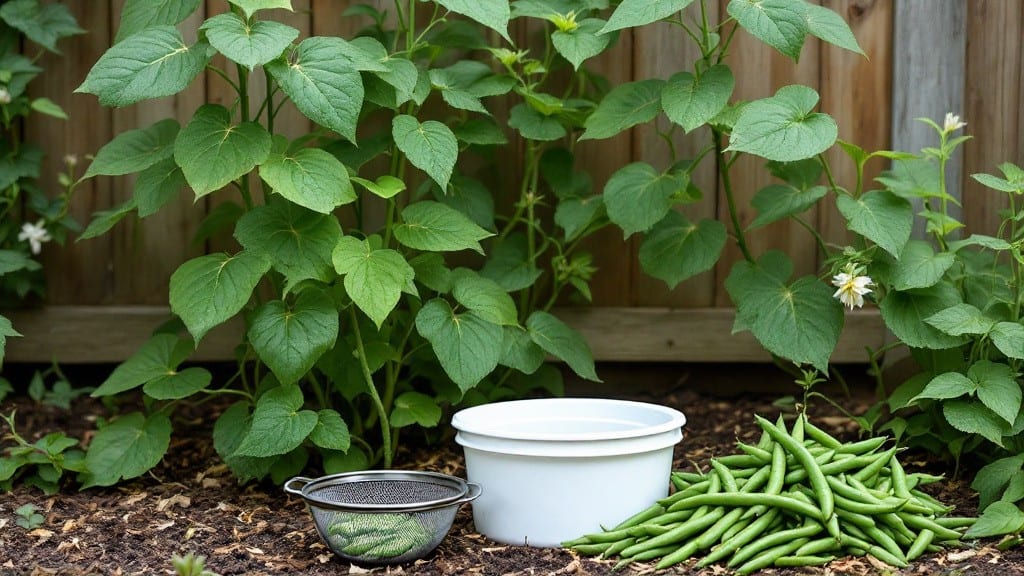
Learn how to store garden green beans the right way—or watch your crisp harvest turn limp and flavorless by mealtime. ✨ I’ve turned my harvest from soggy to vibrant for days with just three simple tricks—no fancy tools needed.
The key is timing, temperature, and a little prep work that takes less than five minutes.
First, trim the stems and rinse off any dirt, but leave the pods dry—moisture is the enemy of freshness. Then, wrap them loosely in a paper towel inside a sealed container or breathable bag.
For best results, store them in the crisper drawer of your fridge at 40-45°F, where they’ll stay crisp for up to 10 days. If you’re saving seeds, let them dry completely on a screen first.
You’ll notice the difference immediately: beans stay snappy, bright green, and packed with flavor instead of turning rubbery or dull. The secret is airflow—too much humidity or airtight sealing speeds up spoilage.
For longer storage, freezing works too, but we’ll save that for when you’ve got a mountain of harvest to preserve.
Even small mistakes—like storing them with moisture or in direct sunlight—can ruin your beans in hours. But once you nail this, you’ll never buy store-bought again. Ready to keep your harvest fresh longer than ever?
📚 In This Guide
- What you need
- Instructions
- Tips and common mistakes
- Wrapping up and next steps
What you need
- ● Fresh green beans: Harvested within the last 24 hours (aim for 1–2 lbs for optimal storage).
- ● Paper towels: 2–3 sheets (unbleached, if possible, to avoid chemical residue).
- ● Sealable plastic bag: 1 gallon-sized bag with a zip-top closure (or a reusable silicone bag).
- ○ Optional: A vented container (like a wooden crate or mesh bag) for airflow if storing long-term.
- ● Refrigerator-safe produce saver (e.g., a paper towel-lined box or silica gel packets to absorb moisture).
- ● Clean hands: Wash thoroughly before handling beans to prevent contamination.
- ● Sharp kitchen scissors or knife: For trimming ends (if needed).
- ○ Colander: For rinsing beans (optional, but recommended if dirty).
- ● Timer: To track storage duration (especially for short-term vs. long-term methods).
Step-by-step instructions for storing fresh garden green beans
Keep your homegrown green beans crisp and flavorful for nearly two weeks with these simple storage tricks.
💧 Step 1: Harvest at Peak Freshness
Pick green beans when they're 3-5 inches long and still bright green—this is when they're sweetest and firmest. Harvest in the early morning when temperatures are coolest, as this preserves their moisture and crispness. Use clean pruning shears to avoid crushing the stems, which can lead to bruising and spoilage.
Don't wash the beans before storing—just give them a quick shake to remove dirt. Moisture on the surface speeds up mold growth, so pat them dry gently with a clean kitchen towel if needed. This step ensures your beans stay fresh longer and maintain their vibrant color.
🪴 Step 2: Prepare for Storage
Spread the green beans in a single layer on a clean kitchen towel or paper towels to air-dry for 10-15 minutes. This removes any lingering moisture that could cause spoilage. Avoid using a fan or heat source—just let them dry naturally at room temperature.
Once dry, sort through the beans and discard any that are bruised, wilted, or discolored. These will spoil quickly and can affect the freshness of the rest. Store only the firm, bright green beans—this ensures your stored batch stays crisp and flavorful for the full 10 days.
⏰ Step 3: Store Properly in the Fridge
Place the dried green beans in a ventilated container—a plastic container with a lid or a resealable plastic bag with holes punched in it works best. The ventilation prevents moisture buildup, which can lead to mold. If using a bag, poke 3-4 small holes with a fork or needle to allow airflow.
Store the container in the crispest part of your refrigerator, usually the vegetable drawer. Avoid storing them near strong-smelling foods, as green beans absorb odors easily. Check them after 3-4 days—if they start to soften, eat them first to prevent waste.
🌿 Step 4: Extend Freshness with Optional Wrapping
For even longer storage, wrap the green beans in a damp paper towel before placing them in the container. This adds extra moisture retention while still allowing airflow. Seal the container loosely—just enough to keep the towel in place but not so tight that it traps humidity.
This method can keep green beans fresh for up to 10 days, but monitor them closely. If the towel feels damp after a few days, replace it with a fresh one to prevent spoilage. Avoid overcrowding the container, as this can lead to bruising and premature wilting.
✂️ Step 5: Use or Freeze Before Spoilage
Green beans are best used within 5-7 days for peak flavor and texture. If they start to soften or lose their bright green color, cook them immediately—blanching and freezing is another great option. To freeze, blanch the beans in boiling water for 3 minutes, then plunge them into ice water to stop cooking.
Drain well and spread them on a tray lined with parchment paper to freeze solid. Once frozen, transfer them to a resealable freezer bag and store for up to 8 months. This preserves their flavor and nutrients for later use, so you never waste a harvest.
Tips & tricks for perfectly stored garden green beans
These simple tricks will help you extend the life of your homegrown green beans while keeping them as crisp and vibrant as the day you picked them.
Harvest Timing Matters: I can't stress enough how important it is to harvest your green beans in the early morning when temperatures are coolest. This preserves their natural moisture and crispness. I've learned the hard way—harvesting in the afternoon heat can make them wilt faster, even when stored properly.
Air-Drying is Non-Negotiable: The 10-15 minute air-drying step in Step 2 is absolutely critical. I used to skip this and always ended up with moldy beans after just a few days. Spread them in a single layer on a clean towel and let them dry completely at room temperature—no fans or heat sources needed. This removes surface moisture that causes spoilage.
Ventilation Prevents Spoilage: When storing in Step 3, ventilation is everything. I've tried storing beans in completely sealed containers, and they always ended up with mold within days. Use containers with holes or poke 3-4 holes in a plastic bag—this airflow prevents moisture buildup that leads to mold. Place them in the vegetable drawer where it's coolest and check them every 3-4 days.
Freezing Preserves Perfectly: If you're not going to use your beans within 5-7 days, freezing is the way to go. The blanching step for 3 minutes in Step 5 stops enzyme activity that causes texture breakdown. Spread them on a tray first to freeze individually—this prevents them from clumping together in one big frozen mass that's hard to separate later.
Pro Tips for Store Garden Green Beans
- These simple tricks will help you extend the life of your homegrown green beans while keeping them as crisp and vibrant as the day you picked them.
- Harvest Timing Matters: I can't stress enough how important it is to harvest your green beans in the early morning when temperatures are coolest.
- Air-Drying is Non-Negotiable: The 10-15 minute air-drying step in Step 2 is absolutely critical.
Frequently asked questions
Got questions about keeping your homegrown green beans fresh and crisp?
Here are answers to the most common ones—so you can enjoy that garden-fresh taste all week long!
How long can I store green beans in the fridge?
With proper storage, fresh green beans stay crisp and flavorful for 7–10 days. Place them in a single layer on a paper towel-lined tray or a perforated bag, then refrigerate. Avoid overcrowding—they’ll last longer!
Can I freeze green beans for later use?
Freezing is a great way to preserve green beans for up to 12 months. Blanch them first (boil for 3 minutes, then ice bath) to lock in flavor and texture. Spread on a tray to freeze solid, then transfer to a freezer bag. Label with the date!
What’s the best way to store green beans if I don’t have a fridge?
If refrigeration isn’t an option, store them in a cool, dark place (like a pantry) for 2–3 days max. Keep them in a breathable container or paper bag to reduce moisture. For longer storage, freezing or canning is your best bet.
Why are my green beans turning soft or slimy in the fridge?
Soft or slimy beans are a sign of excess moisture or ethylene gas buildup. Fix it by:
- Patting them very dry before storing.
- Using a paper towel to absorb moisture.
- Avoiding plastic bags (opt for perforated or a container with ventilation).
Can I store green beans with other veggies?
Yes, but separate them from ethylene-producing veggies like apples, bananas, or tomatoes. These release gases that speed up spoilage. Store green beans with carrots, celery, or broccoli instead for longer freshness.
Wrapping up and next steps
Storing your homegrown green beans properly is the secret to keeping them crisp, flavorful, and ready for your favorite recipes—whether it’s a quick stir-fry or a hearty soup! 🌱 From trimming and drying to choosing the right container or fridge spot, these simple steps ensure your harvest stays fresh for up to 10 days.
With a little care, you’ll waste less and savor more of your garden’s bounty.
Now that you’re armed with the know-how, why not try a new recipe? Whip up a batch of roasted green beans with garlic and lemon or blend them into a creamy dip—your taste buds (and leftovers) will thank you!
Happy storing, and enjoy the taste of summer all season long. 🍽️