
Picking
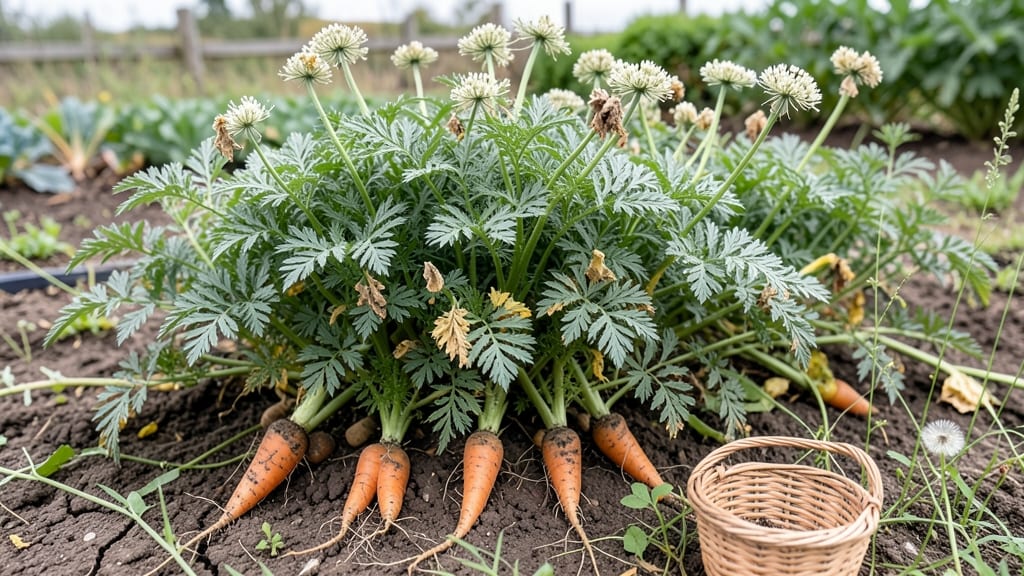
The perfect time to pick carrots in your garden depends on size, color, and soil conditions—but missing these cues can turn crisp roots into tough, woody disappointments.
Knowing exactly when to harvest your homegrown 🥕 can mean the difference between sweet, crisp perfection and tough, woody disappointment—here’s how to tell when they’re ready to pull.
Most gardeners wait 70 days after planting, but soil temperature and variety play a bigger role than you’d think. In USDA Zone 6a, spring carrots often reach maturity by June or July, while fall plantings may be ready by October or November.
Below, I’ll walk you through the 3 key signs to watch for—plus how to adjust for baby carrots, storage varieties, and regional frost risks—so you never harvest too early or too late.


3 Visual & texture signs your carrots are ready for harvest
Harvesting carrots at the right moment transforms your garden into a treasure trove of sweet, crisp roots instead of tough, stringy leftovers. The key lies in three visual and texture clues that reveal peak maturity.
Ignoring these signals often leads to overgrown or underdeveloped carrots—both equally disappointing. Let’s break down what to watch for so you never miss the perfect harvest window again.
First, pay attention to the top greens. Healthy foliage signals the root below is growing strong, but there’s a fine line between "ready" and "overripe." The color intensity of the roots themselves is another dead giveaway—deep, vibrant hues mean sweetness at its peak.
Finally, the root’s firmness when touched tells you whether it’s time to pull or wait a few more days.
Here’s my foolproof checklist to avoid common mistakes like harvesting too early (small, bland carrots) or too late (wooden, fibrous roots). These signs apply to all varieties, from Danvers to Nantes, so you can trust them regardless of what you’re growing.
🥕 3 Signs Your Carrots Are Ready to Harvest
- 1. Stem End Color: The top of the root should be white or tan, not green. A green stem end means the carrot is still growing and not yet mature.
- 2. Root Size & Firmness: Gently squeeze the root—it should feel firm and crisp, not soft or spongy. Most varieties reach 1-3 inches in diameter at harvest time.
- 3. Skin Texture: The skin should separate slightly when you gently pull on it (like a snug but removable glove). If it resists completely, it’s not ready yet.
Pro Tip: Check for these signs every 3-5 days starting at 50 days after sowing to catch the perfect moment.
Let’s start with the stem end color, the easiest sign to spot. When the green stem at the top of the carrot turns white or tan, that’s your cue to harvest. This change happens because the carrot has stopped growing upward and is now focusing on root development.
If you see any green still showing, give it a few more days—harvesting too early means small, underdeveloped roots with bland flavor.
Next, examine the root’s diameter. Most standard varieties like Danvers or Nantes reach 1-3 inches at maturity, but baby carrots (like Paris Market) are ready at just 1 inch.
Use a ruler or your fingers to gauge size—if the carrot feels too thin or too thick for its variety, it’s not at peak maturity. Overgrown carrots (beyond 3 inches) often develop a woody texture, making them tough to chew.
Texture is where many gardeners trip up. A ready-to-harvest carrot should feel firm and crisp when you press it gently. If it feels soft or spongy, it’s overripe and past its prime. On the flip side, if it’s too hard, it’s underdeveloped.
The perfect carrot gives just slightly when you squeeze it—like a freshly peeled apple. This firmness ensures a sweet, crunchy bite every time.
Don’t forget to check the top greens for one last confirmation. Healthy, 4-6 inch tall foliage means the root below is thriving. If the greens look yellowed or wilted, the carrot may be struggling—harvest it immediately to salvage what you can.
Conversely, if the greens are too lush (over 6 inches), the carrot might be overgrown and developing a woody core.
Timing matters too. In spring plantings, aim to harvest between 70-85 days after sowing, while fall carrots may take slightly longer due to cooler soil temperatures. Always follow your seed packet’s days-to-maturity guidelines as a baseline, but adjust based on these visual cues.
For example, Nantes varieties often mature faster than Chantenay types, so check them more frequently.
One mistake I see often is harvesting by guesswork instead of using these signs. Many gardeners wait until the greens flop over or the carrots seem "big enough," but by then, they’re often past their prime.
Instead, make it a habit to check your carrots every 3-5 days starting at 50 days. This way, you’ll catch them at the sweetest, crispest stage—just when the stem turns white, the root feels firm, and the skin separates easily.
Finally, avoid the temptation to harvest all at once if some carrots are ready and others aren’t. For successive planting, stagger your sowing dates so you have a continuous harvest throughout the season.
This ensures you’re always pulling carrots at peak maturity, not forcing underripe or overripe ones into service. With these signs in mind, you’ll never again wonder, "Are my carrots ready?"—you’ll just know.
Carrot size & maturity guide: what to expect by variety
Carrot varieties come in all shapes and sizes, and knowing the ideal harvest window for each type ensures you enjoy crisp, flavorful roots instead of tough, fibrous ones. Danvers and Nantes are classic choices, but Chantenay and Paris Market varieties offer shorter, sweeter options.
The key? Pay attention to both days to maturity (listed on seed packets) and physical indicators like root diameter and color depth.
Soil conditions play a huge role in carrot development. Sandy, loose soil encourages straight, uniform growth, while heavy clay can lead to forked or stunted roots. Cooler temperatures (60-70°F) slow growth but improve sweetness, while hot weather can cause bolting or woody texture.
Always check your seed packet for optimal planting times—spring and fall are ideal for most varieties.
| Variety | Ideal Size | Days to Maturity | Best For |
|---|---|---|---|
| Danvers | 1.5–2.5" diameter, 6–8" long | 65–80 days | Storage, crisp texture |
| Nantes | 1–2" diameter, 7–9" long | 60–75 days | Fresh eating, smooth skin |
| Chantenay | 1–1.5" diameter, 5–7" long | 55–70 days | Rocky soil, baby carrots |
| Paris Market | 1–1.5" diameter, 3–5" long | 50–65 days | Baby carrots, quick harvest |
For baby carrots, harvest when roots reach about 1–2 inches in diameter—typically 40–50 days after sowing. Paris Market and Little Finger varieties are perfect for this, offering tender, sweet roots perfect for salads or quick cooking.
If you’re growing for storage, wait until roots are fully sized but still firm—Danvers and Imperator varieties hold up best when stored in cool, dark conditions.
Adjust your harvest timing based on your climate. In cooler regions, carrots may take longer to mature, while hotter climates can speed up growth but risk bolting. Always monitor soil moisture—consistent watering prevents cracking and ensures sweetness.
If your carrots start to bolt (send up flowering stems), harvest immediately, as they’ll become bitter and woody.
Pro tip: Thin seedlings early to 2–3 inches apart to avoid competition. This gives roots room to grow straight and reach their full potential size.
If you’re unsure whether a carrot is ready, give it a gentle tug—if it slips easily from the soil, it’s time to harvest. Never wait too long, or you’ll end up with tough, fibrous roots that even cooking won’t fix.
Whether you’re growing heirloom varieties or modern hybrids, understanding these maturity guidelines ensures a bountiful harvest. Next time you’re checking your carrot patch, grab a few and taste-test—sweetness is the ultimate sign of perfection! 🥕