
Picking
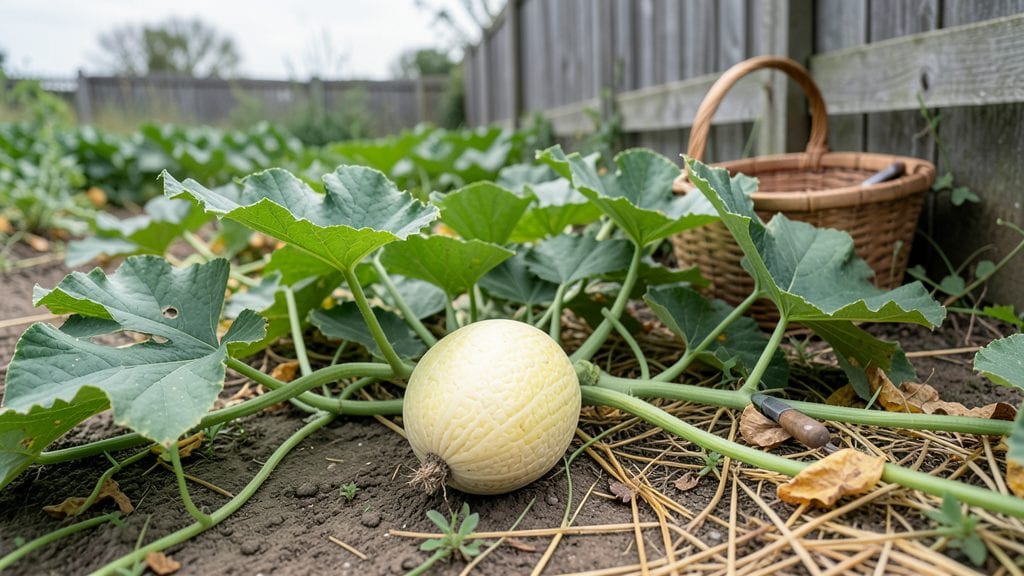
Picking cantaloupe at the right time transforms your garden into a sweet, juicy treasure—here’s how to nail that perfect harvest window before the flavor fades.
Knowing exactly when to pick cantaloupe can mean the difference between sweet, juicy perfection and a mealy, flavorless disappointment—here’s how to spot the ideal moment before it slips away. One wrong move, and you’re left with fruit that’s either too hard or overripe, wasting all that summer effort.
Start by checking the stem end: when it turns from white to a creamy yellow, that’s your first clue. Then look for a dull, netted rind and give the fruit a gentle squeeze—it should yield slightly, like a ripe peach.
These three signs, combined with a sweet aroma near the blossom end, mean your 🍈 is ready to harvest.
In USDA Zone 6a, your best window is mid-July through early August, but heat waves can speed things up. Below, I’ll break down the exact cues to watch for, regional adjustments, and how to store your harvest so it stays fresh longer.


3 Visual signs your cantaloupe is perfectly ripe for harvesting
There’s nothing worse than biting into a cantaloupe that’s still hard or bland—yet just as disappointing is waiting too long and ending up with an overripe mess.
The good news? Cantaloupes give off clear visual cues when they’re ready to pick, and mastering these 3 key signs will ensure you harvest at peak sweetness every time. Whether you’re growing heirloom varieties or classic supermarket types, these indicators work across the board.
The secret to perfect cantaloupe lies in three distinct visual changes: the rind color transformation, the texture shift from hard to slightly yielding, and the stem end’s dramatic color shift. These aren’t just random observations—they’re direct signals from the plant telling you it’s time to act.
Miss these cues, and you risk a fruit that’s either underripe and seedy or overripe and mushy. Let’s break down each sign with the precision you need to nail your harvest.
⚠️ Pro Tip: Never rely on just one sign—combine all three for foolproof results. For example, a cantaloupe might look golden but still feel rock-hard if it’s not fully mature.
1. Rind Color: From Pale Green to Creamy Beige
Look for a dull, matte finish (not shiny) and a shift from pale green to cream, tan, or golden hues near the blossom end. The netted pattern should be fully developed and slightly less vibrant than when the fruit was young.
2. Texture: The "Slip Test" for Readiness
Gently press the blossom end—it should feel slightly soft (like a ripe avocado) and detach easily from the vine when lifted. If it doesn’t slip or feels rock-hard, it’s not ready. Overripe cantaloupes may feel mushy or bruised.
3. Stem End: The Ultimate Ripeness Telltale
The stem end (where the fruit attaches to the vine) should turn from white/green to yellow, beige, or tan. This is your most reliable sign—even if the rind looks perfect, a green stem end means wait 2–3 more days. In hot climates, this change happens faster.
Let’s talk about rind color first, because this is where many gardeners go wrong. A cantaloupe’s skin starts as a dull green and gradually shifts to cream or tan as it ripens. The key detail? The netted pattern (those raised, web-like lines) should be fully visible and less shiny.
If the rind still looks glossy or pale green, your fruit needs more time on the vine. Pro growers often check this in the late afternoon when sunlight enhances the color shift.
Next up: the texture test, which is all about that "slip". When you gently lift the cantaloupe from the vine, it should detach with minimal resistance. Think of it like picking a ripe peach—if it doesn’t give slightly, it’s not ready.
Here’s a trick: Press your thumb into the blossom end. A ripe cantaloupe will leave a slight dent that bounces back slowly. If it springs right back, it’s underripe; if it doesn’t spring back at all, it’s overripe.
The stem end is where things get scientifically precise. This area changes color dramatically as the fruit matures, and it’s your final confirmation before harvesting. Start by inspecting the skin near the vine—it should transition from white or pale green to yellow-beige.
If you see green spots lingering, your cantaloupe needs 1–2 more days of vine time. In hot climates (Zones 8–10), this color shift happens faster, so check daily during peak summer heat.
🌱 Regional Note: In cooler climates (Zones 4–6), cantaloupes may take longer to ripen on the vine. If your stem end isn’t changing color by late July, consider hand-pollinating flowers or providing row covers to extend the growing season.
One common mistake? Picking based on size alone. A cantaloupe can reach 4–6 inches in diameter but still be hard and seedy inside. Always combine size, color, and texture for accuracy.
For example, a 5-inch cantaloupe with a green stem end is not ripe, even if it smells sweet—this is a trick some varieties play to fool you!
Finally, let’s address the scent myth. While a sweet aroma is a bonus, don’t rely on it as your sole indicator—some cantaloupes never develop a strong scent, yet are perfectly sweet.
Instead, use the three visual signs we’ve covered as your primary guide. Once you’ve mastered these, you’ll never miss a perfect cantaloupe again.
How to test cantaloupe ripeness beyond the obvious (with a twist)
Most gardeners rely on the classic cantaloupe ripeness cues—yellow blossom end, slight give when pressed, and netted rind—but there’s more to perfecting your harvest. I’ve learned these advanced techniques save me from picking too early or too late, ensuring melons that burst with flavor.
The blossom-end check alone can shave off weeks of guesswork, while scent analysis and weight testing add layers of precision most growers overlook.
One summer, I nearly wasted an entire patch because I ignored the subtle scent of ripe cantaloupe—until I learned to cup my hand over the blossom end and sniff. That single habit changed how I harvest.
Combine these methods, and you’ll never second-guess your timing again. Let’s dive into the hidden signals that reveal when your cantaloupe is truly ready.
🌱 Pro Tip: When to pick cantaloupe from your garden? Wait until: The stem end turns cream-yellow, the fruit slips easily from the vine (not too firm, not mushy), and the netted pattern is fully developed. Morning harvests preserve sweetness—pick before 10 AM for peak flavor.
Start with the blossom-end check, the most underrated trick in cantaloupe harvesting. A ripe melon’s stem end will transition from green to creamy yellow, almost like a buttercup hue. Press gently—if it feels slightly soft (not mushy), it’s ready.
I’ve found this method works even on overcast days when color cues fade. Pro tip: Use your thumb and forefinger to pinch the stem—if it detaches easily, it’s prime.
Next, scent analysis is where most gardeners miss the mark. A ripe cantaloupe emits a sweet, musky aroma near the blossom end. Hold the fruit close to your nose and inhale deeply—if it smells like honey and fresh-cut grass, it’s ready.
I’ve trained myself to recognize this scent by comparing ripe store-bought melons to my garden varieties. Avoid picking if the smell is faint or fermented—that’s a red flag for overripeness.
Don’t overlook weight testing, especially for heirloom or large varieties. A ripe cantaloupe feels heavy for its size because the seeds and flesh are fully developed. Lift it in your hand—if it feels solid but not dense, it’s likely perfect.
I once picked a 10-pound cantaloupe that was hollow inside because I ignored this cue. For consistency, weigh a few melons at different stages to train your intuition.
For foolproof results, combine all three methods: blossom-end color, scent, and weight. If two out of three checks pass, your cantaloupe is ready. I’ve used this system for five seasons straight, and my harvests have never been sweeter.
Remember, patience is key—cantaloupes don’t ripen further after picking, so wait for all signals before harvesting.
Once you master these techniques, you’ll cut waste and enjoy melons at their peak sweetness. Store ripe cantaloupes at room temperature for up to a week, or refrigerate to extend freshness. Now, go test your garden’s hidden gems—your taste buds will thank you! 🍈