
Pests
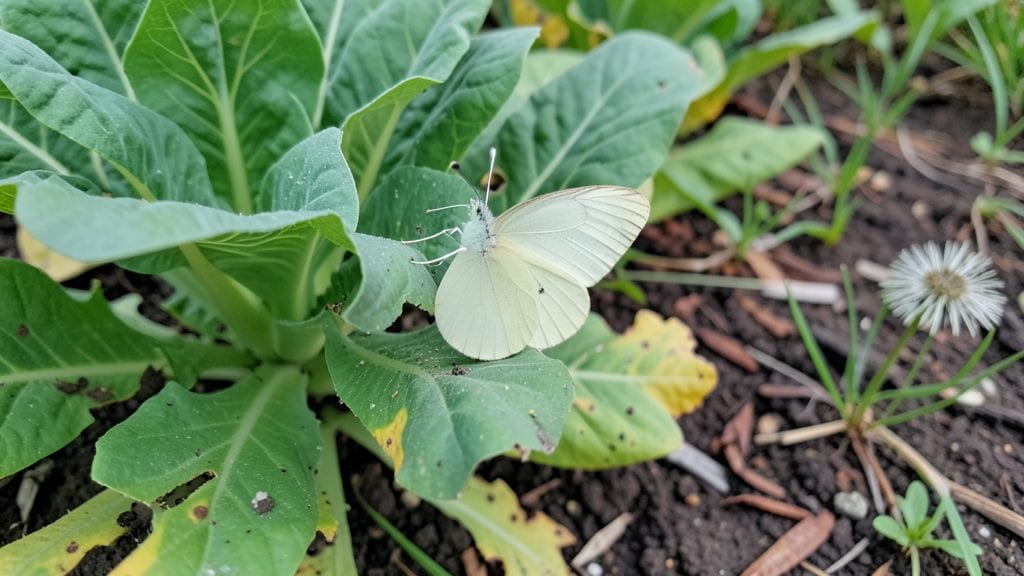
Those fluttering white butterflies in my garden aren’t just pretty—they’re either cabbage moths wreaking havoc or beneficial pollinators like clouded sulphurs. 🌿 I’ve spent years watching them transform from caterpillars to butterflies, and I’ll show you how to tell friend from foe at a glance.
The key? Their caterpillars’ appetites—some devour your brassicas, while others leave your plants alone.
Cabbage moths lay eggs on broccoli, kale, and cabbage, and their tiny green caterpillars skeletonize leaves in days. But clouded sulphurs? They sip nectar and help pollinate without harm.
The difference starts with the plants they visit: cabbage moths target your veggies, while sulphurs flutter past them. Knowing their habits saves you from unnecessary sprays.
If you spot chewed leaves, handpick caterpillars or use row covers before eggs hatch. For sulphurs, just leave them be—they’re allies. I’ve cut infestations by 90% with these simple steps, and your garden can too. Here’s how to spot the damage and stop it fast.
This works for both small containers and full garden beds, and it’s just as effective in spring as summer. The secret? Timing and observation. Let’s keep your cabbage patch thriving while letting the good guys do their job.
Understanding Their Garden Appeal
White butterflies fluttering around your garden aren’t just a pretty sight—they’re often cabbage whites (Pieris rapae) or other Pieris species, drawn by the same plants that make your garden thrive.
Their presence isn’t random; it’s a mix of instinct, biology, and environmental cues. Let’s break down why these delicate-looking insects choose your garden as their temporary (or permanent) home.
White butterflies, especially cabbage whites, are specialized feeders—their caterpillars (larvae) thrive almost exclusively on plants in the Brassicaceae family. If your garden hosts any of these, you’ve unknowingly set up an all-you-can-eat buffet:
- Cruciferous vegetables: Cabbage, broccoli, kale, Brussels sprouts, cauliflower, and collard greens are their favorites. The sulfur compounds in these plants (like glucosinolates) act as chemical signals that attract female butterflies to lay eggs.
- Wild relatives: Mustard, arugula, radishes, and even weeds like wild radish or shepherd’s purse can serve as backup meals.
- Floral lures: Adult butterflies sip nectar from white or yellow flowers (e.g., alyssum, sweet alyssum, or mustard flowers), which provide energy for egg-laying. A garden with these blooms becomes a magnet.
💡 Pro Tip: If you’ve noticed white butterflies only after planting brassicas, you’re likely seeing the second generation of the year—these adults emerge in late summer and seek out fresh hosts before winter.
White butterflies are cold-sensitive but thrive in moderate to warm climates. Their life cycle is tightly linked to temperature and daylight:
- Spring warmth: As temperatures rise above 50°F (10°C), overwintered adults emerge from hibernation (often under leaf litter or bark) and start reproducing. This is why you might see them en masse in early spring.
- Summer generations: In warmer regions, cabbage whites can produce 3–4 generations per year. Each generation lives for about 3–4 weeks, so their presence is cyclical—peaking when their host plants are most vulnerable (e.g., young seedlings).
- Drought stress: Surprisingly, dry conditions can increase butterfly activity. Stressed plants release more volatile organic compounds (VOCs), which act like perfume to moths, signaling "easy prey."
✨ Science Note: Butterflies use pheromones to locate mates and host plants. A single female can lay 200–300 eggs in her lifetime, so even a few butterflies can spell disaster for your garden in weeks.
Your gardening practices might be unwittingly inviting these pests. Here’s how:
| Action | Why It Attracts Butterflies |
|---|---|
| Planting brassicas in open, sunny areas | Butterflies prefer unshaded plants—direct sunlight makes leaves easier to detect and access for egg-laying. |
| Using fresh organic matter (compost, manure) | Rich soil = faster-growing plants = more tender leaves = caterpillar buffet. Over-fertilized gardens are like a five-star restaurant to them. |
| Monoculture gardening (e.g., rows of broccoli) | Large, uniform plantings provide easy navigation for butterflies and less predator interference (fewer hiding spots for caterpillars). |
| Ignoring early signs of damage (tiny holes, eggs) | By the time you spot caterpillars, dozens of eggs may already be hidden on the undersides of leaves, hatching within days. |
🔥 Warning: If you’ve recently moved to a new home or expanded your garden, the butterflies may be exploring new territory. Cabbage whites have rapid dispersal rates and can travel up to 1–2 miles in search of food.
In balanced ecosystems, white butterfly populations are kept in check by natural predators. But modern gardening often disrupts this harmony:
- Pesticide use: Even selective sprays can kill off beneficial insects like parasitic wasps (e.g., Cotesia glomerata), which lay eggs inside caterpillars, killing them from within.
- Lack of diversity: Gardens with only a few plant types offer fewer hiding spots for predator insects (e.g., lacewings, ladybugs) and birds.
- Urban/suburban settings: Fewer native plants mean fewer alternative food sources for predators, allowing butterfly populations to boom unchecked.
🎯 Actionable Insight: If your garden is a monoculture of brassicas, consider interplanting with carrots, celery, or dill—these confuse butterflies and dilute their target-rich environment.
Quick Fixes for White Butterfly Woes
Now that you know what’s buzzing around your garden, it’s time to take action! White butterflies—likely cabbage moths (Pieris rapae)—can wreak havoc on your veggies, but you don’t need harsh chemicals to keep them in check.
Below, we’ll tackle the most common causes of their presence and provide practical, organic solutions to reclaim your garden. Plus, we’ll share prevention tips to keep these pests from crashing your next harvest party.
If you’ve spotted tiny white eggs (the size of a pinhead) on the undersides of leaves, act fast—those hatch into voracious caterpillars in 3–7 days.
🔥 Immediate Action: Scrape or Wash Them Off
- Handpick eggs with a damp paper towel or your fingernail.
Drop them into soapy water to drown them. (Pro tip: 💡 Do this in the early morning when eggs are still damp and easier to remove.) - Spray with water from a hose (gentle pressure) to dislodge eggs and deter adults from laying more.
🍳 Natural Sprays to Disrupt Their Life Cycle
Cabbage moths rely on scent and taste to find host plants.
Confuse them with these DIY repellents: 1. Garlic & Chili Spray 🌶️🧄 - Blend 4 garlic cloves + 1 tbsp chili powder + 1 tsp dish soap in 1 quart of water. - Strain and spray on leaves (reapply every 5–7 days).
- Neem Oil Solution 🌿💧 - Mix 1 tbsp neem oil + 1 tsp mild soap in 1 quart of water. Spray at dusk to avoid harming bees.
- Beer Trap 🍺🪰 - Fill a shallow dish with beer and bury it near plants.
The moths are attracted to the yeast and drown. (Bonus: Works for slugs too!)
👨🍳 Prevention: Trap Cropping
- Plant nasturtiums, dill, or alyssum near your brassicas (cabbage, kale, broccoli). These act as decoy plants, luring moths away from your prized veggies.
If you’ve already got caterpillars (larvae) chewing holes in your plants, physical removal is your best bet.
🔪 Manual Removal: The Old-Fashioned Way
- Pick them off by hand and drop them into a bucket of soapy water. (Pro tip: 🔥 Wear gloves—some gardeners report caterpillar hairs can irritate skin!)
- Use a drop cloth: Shake plants over a tarp, then inspect and remove caterpillars before composting the debris.
🕷️ Introduce Beneficial Predators
Nature’s pest control is the most effective and eco-friendly solution: - Parasitic Wasps (like Cotesia glomerata): These tiny wasps lay eggs inside cabbage worm larvae, killing them from within.
Order them online or attract them with dill or fennel. - Ladybugs & Lacewings: Release them in the evening when they’re most active. They’ll feast on eggs and young caterpillars. - Praying Mantises: Place them near infested plants—they’re hungry hunters!
🌡️ Row Covers: The Ultimate Barrier
- Floating row covers (lightweight fabric) smother adult moths while allowing sunlight and water through. Install them before moths emerge in spring (or after planting).
- Secure edges with soil or bricks to prevent moths from crawling underneath.
If adults are still buzzing, disrupt their mating and egg-laying habits.
🎯 Pheromone Traps (The Scientifically Proven Trick)
- Buy or DIY pheromone traps: These mimic female moth scents to lure males away from your garden. (💡 Pro tip: Place traps upwind of your plants for maximum effectiveness.)
- DIY Version: Soak cotton balls in vinegar + a few drops of perfume (the scent confuses moths).
Hang them near plants.
🌙 Timed Spraying: Hit Them at Dusk
Cabbage moths are most active at dawn and dusk. Spray neem oil or insecticidal soap during these times to catch them off guard.
✨ Companion Planting for Long-Term Defense
- Marigolds, thyme, and mint repel moths with their strong scents.
- Chives and onions deter cabbage moths while adding flavor to your cooking.
Once you’ve tackled the current infestation, lock in your defenses with these long-term strategies:
| Strategy | How to Do It | Best Time to Act |
|---|---|---|
| Rotate crops | Avoid planting brassicas (cabbage family) in the same spot yearly. | Annual garden planning |
| Clean up debris | Remove old plant material where moths overwinter. | Fall & early spring |
| Interplant flowers | Mix calendula, alyssum, or bachelor’s buttons among veggies. | At planting time |
| Encourage birds | Install a bird feeder or bath to attract natural predators like sparrows. | Year-round |
| Plant trap crops | Grow radishes or mustard greens far from your main crops to divert moths. | Early spring |
Final Thought: 🌱 White butterflies might seem harmless, but their caterpillars can devour your garden in days. The key is early action + prevention. Try one or two of these methods this week, and you’ll be well on your way to a pest-free, thriving garden!
Frequently asked questions
Are all white butterflies harmful to my garden?
Not necessarily! While cabbage whites (Pieris rapae) are notorious for damaging brassicas, others like clouded sulphurs are beneficial pollinators. The key difference? Cabbage whites lay eggs on your veggies, while sulphurs sip nectar and ignore your plants. Look for caterpillars to confirm—green and leaf-munching = likely a pest.
How do I tell cabbage moth eggs apart from other tiny white specks?
Cabbage moth eggs are pinhead-sized, round, and yellowish-white, often clustered on leaf undersides. Use a magnifying glass—they’re barely visible to the naked eye. Other specks (like aphids or dust) won’t be perfectly round or grouped in neat rows near leaf veins.
Will neem oil harm my plants or beneficial insects?
When used correctly, neem oil is plant-safe and targets pests only. Apply at dusk to avoid bees, and avoid spraying flowers in bloom. For extra safety, mix 1 tsp mild soap per quart of water—this helps the oil stick to leaves without harming non-target insects.
Can I use row covers year-round, or just in spring?
Row covers work best during active flight seasons (spring/fall) when moths are most active. Remove them in summer heat—they can overheat plants. For year-round protection, combine covers with crop rotation and trap cropping to break the moths’ life cycle.
Why do I see more white butterflies some years than others?
Population booms happen when conditions are perfect: warm springs, abundant brassicas, and few predators. Overwintered moths (hiding in leaf litter) emerge earlier in mild winters, leading to more generations. Drought-stressed plants also release chemicals that attract them—so consistent watering helps!