
Pests
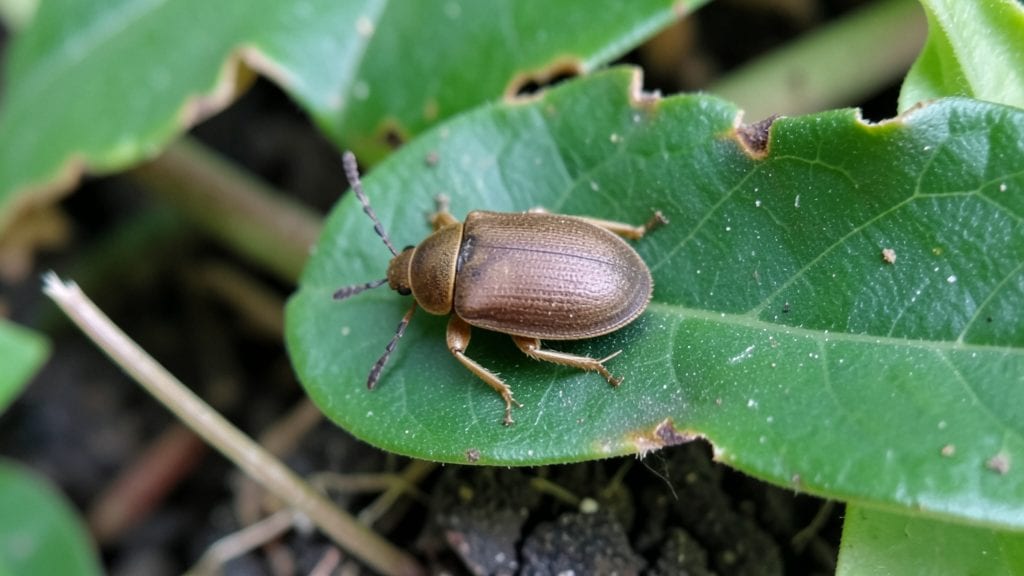
The brown garden beetle isn’t just annoying—it can turn your garden into a skeleton of leaves overnight. 🌿 I’ve seen these metallic brown invaders strip entire rose bushes bare in a single evening, and their larvae are just as destructive underground.
The key to stopping them lies in knowing exactly when they’re most active and what damage to watch for.
These beetles thrive in warm weather, emerging in late spring to feast on foliage, flowers, and even fruit. Their larvae, often called white grubs, munch on roots, leaving plants wobbly and stunted.
The worst part? They’re hard to spot until the damage is already done. I’ve learned to check for chewed leaves, wilting plants, and adult beetles hiding under mulch or in the soil.
Once you recognize the signs, you can act fast—whether that means handpicking beetles, using row covers, or introducing natural predators like birds and toads. The goal isn’t just to kill them but to break their life cycle before next season.
With the right approach, you can protect your garden without resorting to harsh chemicals.
This isn’t just about saving a few leaves—it’s about keeping your plants healthy and your garden thriving year after year. Let’s tackle this step by step so you can enjoy your outdoor space without worrying about these hungry pests.
Root Causes of Beetle Infestations
Understanding why these brown garden beetles (and their larvae) invade your plants starts with unpacking their biology, habitat preferences, and the environmental cues that trigger their activity. Below, we break down the key factors—so you can address the problem at its source.
Brown garden beetles (often Phyllopertha or Anomala species) are drawn to specific plants that provide food, shelter, or breeding grounds. Their larvae, in particular, thrive in:
- Grasses and lawns: Grubs feed on roots, making turfgrass a prime target. Overwatered or nitrogen-rich lawns (like those treated with fertilizer) are especially inviting.
- Vegetable gardens: Crops like potatoes, carrots, and beans are soft targets because their roots are easy for larvae to consume.
- Young or stressed plants: Beetles and larvae prefer plants already weakened by drought, poor soil, or disease—making them easier to attack.
Actionable fix: Replace monoculture lawns with diverse ground covers (clover, creeping thyme) to disrupt their lifecycle. Avoid over-fertilizing, and prioritize drought-resistant plants.
Larvae (grubs) are most active in warm, moist soil—ideal conditions for feeding and development. Key triggers include:
- Spring and early summer rains: Heavy rainfall softens soil, making it easier for larvae to burrow and access roots.
- Poor drainage: Waterlogged areas create anaerobic conditions that stress plants, making them more vulnerable to grub damage.
- Organic matter buildup: Compost or mulch piles can attract beetles laying eggs, as decaying material provides a food source for emerging larvae.
Actionable fix: Improve soil drainage with sand or gravel amendments. Avoid over-mulching near plant bases, and water deeply but infrequently to discourage moisture-loving grubs.
Adult brown garden beetles are primarily nocturnal feeders, meaning they chew leaves and stems under cover of darkness. Their damage often goes unnoticed until:
- New leaf notches appear: Adults create irregular edges on foliage, often near veins.
- Stunted growth occurs: Heavy feeding weakens plants, leading to yellowing or wilting.
- Egg-laying sites are established: Females deposit eggs in soil near host plants, ensuring larvae will have immediate access to food.
Actionable fix: Inspect plants at dusk or dawn with a flashlight. Handpick adults and drop them in soapy water. Use yellow sticky traps to monitor and reduce populations.
Certain gardening habits inadvertently create perfect conditions for beetle infestations:
| Practice | Why It Helps Beetles | Better Alternative |
|---|---|---|
| Thick mulch layers | Retains moisture and warmth, encouraging egg-laying. | Use 2–3 inches of mulch and keep it away from plant stems. |
| Monoculture plantings | Provides easy access to a single food source for larvae. | Plant diverse species to disrupt their feeding patterns. |
| Ignoring early signs | Lets populations grow unchecked before damage is visible. | Conduct monthly soil checks for grubs (especially in spring). |
Pro tip:💡 Introduce beneficial nematodes (Heterorhabditis bacteriophora) to target larvae in soil—these microscopic predators are a natural, chemical-free solution.
Practical Fixes for Beetle Damage
If you’ve spotted brown garden beetles munching through your plants, don’t panic—there are effective ways to tackle the problem. Below, we’ve mapped out targeted solutions based on the root causes of their presence and the damage they leave behind.
From quick fixes to long-term prevention, these strategies will help you reclaim your garden without harsh chemicals.
Cause: Beetles thrive in gardens with stressed, overcrowded, or nutrient-deficient plants. Solution:
- 🔥 Prune and Space Plants Properly Thin out dense foliage to improve airflow and sunlight exposure. Aim for 12–18 inches of spacing between plants, depending on their mature size.
- 🌱 Boost Soil Health Amend soil with compost or organic matter to strengthen plant resilience. Weak plants attract beetles, so focus on balanced fertilization (use a slow-release, organic fertilizer like fish emulsion or worm castings).
- 💡 Pro Tip: Mulch with straw or wood chips to retain moisture and deter beetles by reducing their hiding spots.
Cause: Adult beetles lay eggs in soil, leading to larval infestations later. Solution:
- 🍳 Beer Traps (Effective & Non-Toxic) Bury a shallow container (like a plastic cup) filled with beer or yeast water at soil level. The scent attracts beetles, which drown overnight. Replace every 2–3 days for best results.
- 👨🍳 Handpick During Dusk Beetles are most active at dawn and dusk. Shake them off plants into a soapy water bucket to kill them instantly.
- 🌙 Use Black Lights (For Severe Infestations) Place a UV bug zapper near the garden at night. Beetles are drawn to light, making this a passive but effective method.
Cause: Grubs (larvae) tunnel through roots, causing wilting and stunted growth. Solution:
- 🔪 Beneficial Nematodes (Safe & Organic) Apply heterorhabditis bacteriophora nematodes to the soil. These microscopic worms seek out and kill grubs without harming plants or pollinators. Reapply every 4–6 weeks during active seasons.
- 🌡️ Solarization (For Small Gardens) Cover moist soil with clear plastic sheeting for 4–6 weeks in hot sun. The trapped heat kills larvae and eggs naturally.
- 🎯 Chemical-Free Soil Drenches Mix neem oil or spinosad with water and drench the soil. These disrupt larval feeding and development while being pet-safe when dry.
Cause: Beetles return yearly if conditions remain favorable. Solution:
- 🌿 Rotate Plantings Annually Avoid planting same-family crops (like tomatoes or peppers) in the same spot yearly. Beetles target familiar hosts—confuse them with diversity.
- 🛡️ Physical Barriers Use fine mesh row covers over young plants to block adult beetles from laying eggs. Remove covers when plants flower to allow pollination.
- 🌱 Encourage Natural Predators Attract birds, ground beetles, and parasitic wasps by planting native wildflowers (like dill, fennel, or marigolds) around your garden. These predators feed on beetle larvae and adults.
- 💡 Pro Tip: Clean up debris in fall—beetles overwinter in leaf litter and mulch. Remove old plant material and till the soil to expose and kill hidden eggs.
Final Note: Consistency is key! Combine trapping, soil treatments, and preventive planting for the best long-term results. With these methods, you’ll reduce beetle populations naturally while keeping your garden thriving. 🌿✨
Frequently asked questions
What do brown garden beetle larvae look like?
Larvae, also called white grubs, are creamy white with a slightly curved body and brown heads. They grow up to 1 inch long and resemble large maggots. You’ll often find them 1-2 inches below soil during spring and summer, feeding on plant roots. Look for them when turning compost or digging in damp soil.
Are brown garden beetles harmful to my garden?
Yes, both adults and larvae cause significant damage. Adults chew irregular holes in leaves, while larvae destroy roots, leading to wilting, stunted growth, or plant death. They’re especially destructive to lawns, vegetables like potatoes, and young plants. Early intervention is key to preventing long-term harm.
How can I tell if my plants have a beetle infestation?
Watch for notched leaves, yellowing foliage, or plants that wilt despite proper watering. Check soil for white grubs by digging a small hole—if you find 3+ larvae per square foot, you likely have an infestation. Adult beetles hide under mulch or leaves during the day.
What’s the best natural way to control brown garden beetles?
Try beer traps (bury a cup filled with beer to drown adults) or introduce beneficial nematodes to target larvae. Handpick beetles at dusk and use row covers on young plants. For long-term prevention, encourage natural predators like birds and toads by planting native wildflowers.
Can brown garden beetles survive winter?
Adult beetles overwinter in leaf litter, mulch, or soil cracks, emerging in spring when temperatures rise above 50°F. Their larvae pupate underground and survive winter as adults. To break their cycle, remove garden debris in fall and till soil to expose hidden eggs.