
Landscaping
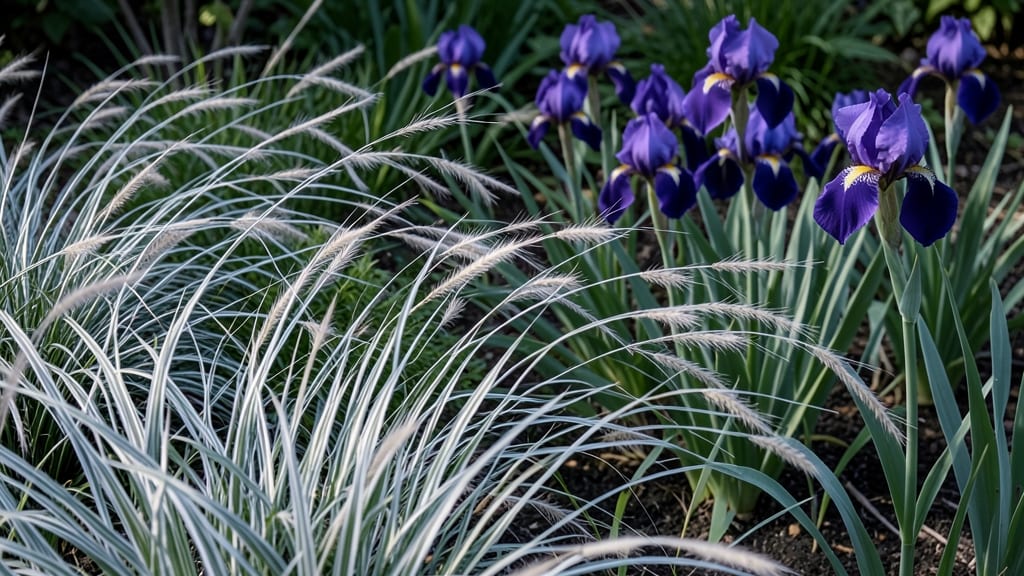
Transform your garden into a breathtaking visual masterpiece with these 10 unexpected plant pairings. These unusual combinations create striking contrasts, bold textures, and unexpected harmonies that traditional gardens often miss.
Black Mondo Grass With Silver Variegated Heuchera
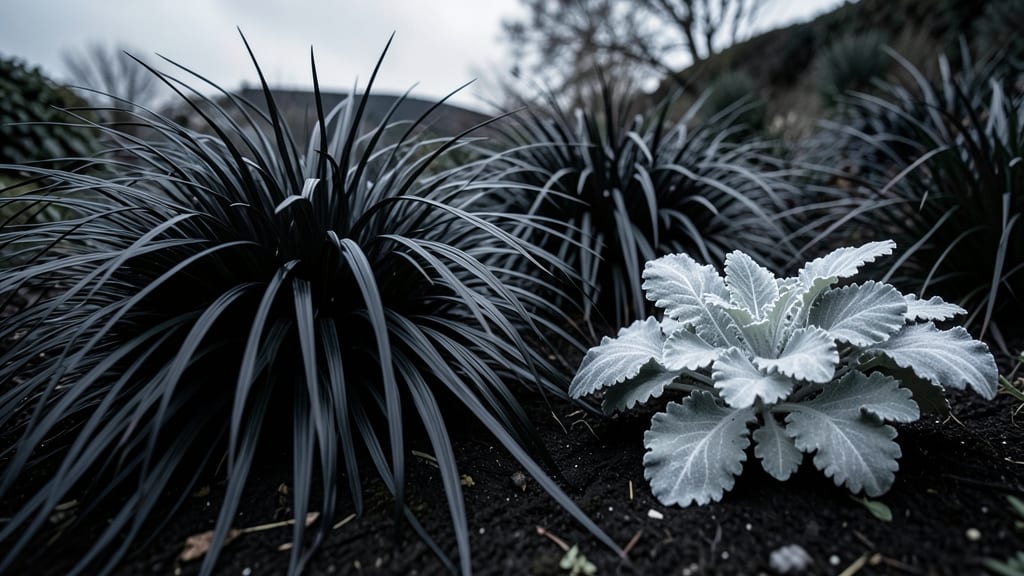
Want to turn your garden into a moody, modern masterpiece that still looks stunning when winter strips the leaves? Pair black mondo grass with silver variegated heuchera for a high-contrast duo that thrives in shade and demands zero fuss.
The glossy black foliage of mondo grass creates a velvety ground cover that makes the silvery-blue heuchera leaves pop like moonlight on dark water. Plant the heuchera in clusters surrounded by the grass for maximum drama—this combo works especially well in modern containers or as a living mulch under shrubs.
Perfect for urban gardeners or minimalists, this pairing requires minimal pruning and handles drought once established. The silver foliage even glows under winter moonlight, making it a standout for moody, atmospheric gardens. ✨
Purple Smoke Bush Paired With Chartreuse Euonymus
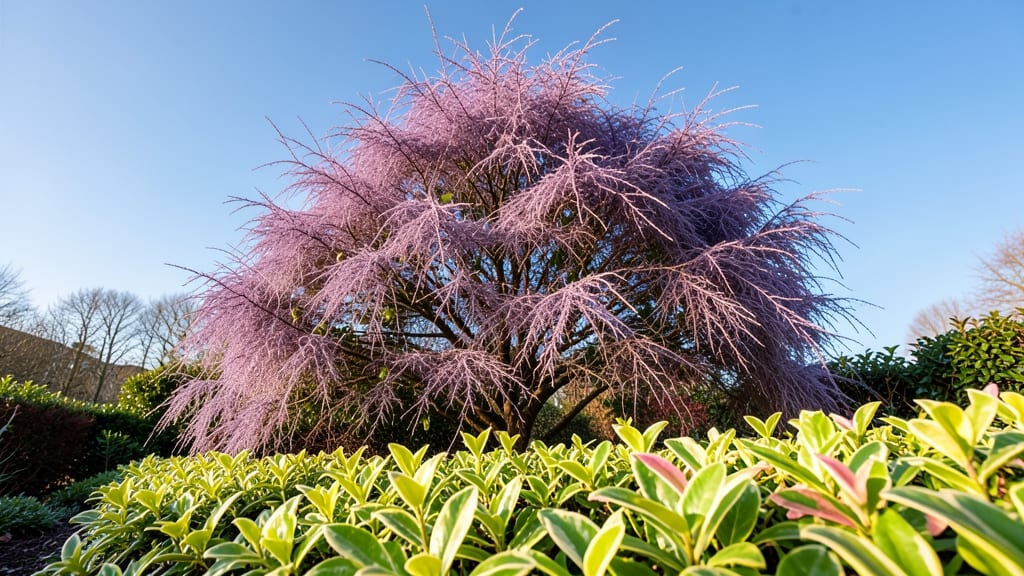
Tired of seasonal color shifts that leave your garden looking dull in winter? The purple smoke bush (Cotinus coggygria) and chartreuse euonymus (Euonymus fortunei 'Emerald Gaiety') create a year-round visual spectacle that thrives in full sun while demanding minimal care.
Plant the purple smoke bush as your structural backbone—its wispy purple foliage and dramatic smoke-like plumes add movement and height (up to 10 feet). Then, let the chartreuse euonymus cascade over walls or spill along borders, its bright yellow-green variegated leaves creating a striking contrast. Both plants handle drought once established and tolerate urban pollution, making them perfect for city gardens.
This pairing works especially well for urban gardeners seeking bold statement borders or privacy screens. The chartreuse euonymus also stays lush through winter, ensuring your garden remains vibrant even when other plants fade. 🌻
Variegated Hostas Under Bleeding Heart Flowers
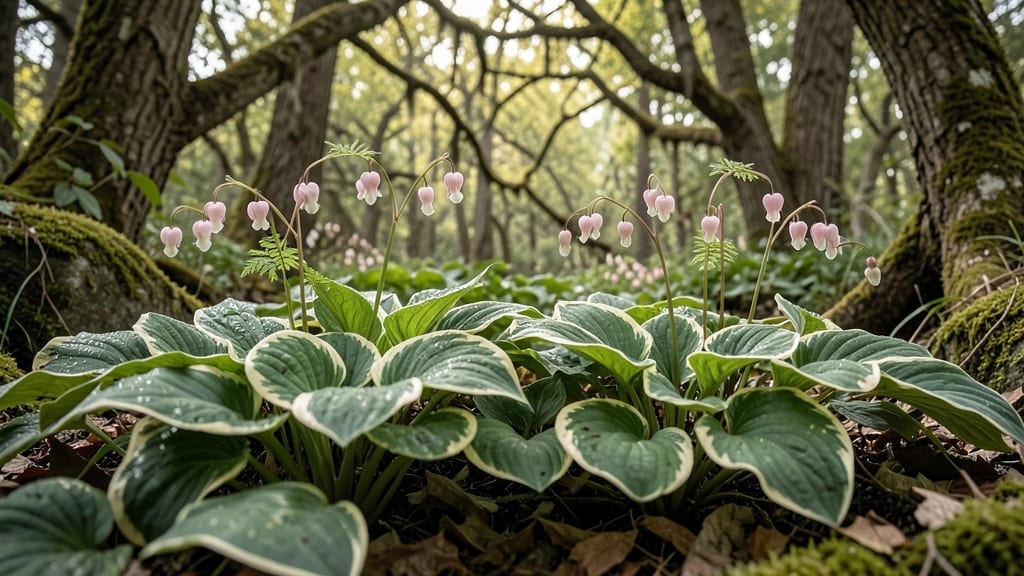
Create a dreamy woodland retreat with this shade-loving duo that thrives where sunlight is scarce. The variegated hostas form a lush, textured carpet in deep shade, while bleeding heart flowers arch gracefully above, their delicate pink blooms adding vertical drama.
Plant bleeding hearts (like Dicentra spectabilis) in clusters at the back of your shade garden, letting their heart-shaped flowers cascade naturally. Surround them with variegated hostas (such as 'Francee' or 'Guacamole') for a striking contrast—hostas' broad, striped leaves will spill gently around the base. This combo thrives in moist, well-draining soil and partial to full shade, making it perfect for under trees or along north-facing walls.
This pairing is ideal for gardeners who want low-maintenance elegance without sacrificing visual impact. The hostas suppress weeds naturally, while bleeding hearts bloom reliably in spring, offering a romantic touch that lasts all season. 🌷
Crimson Dragon Rubber Plant With Orange Caladiums
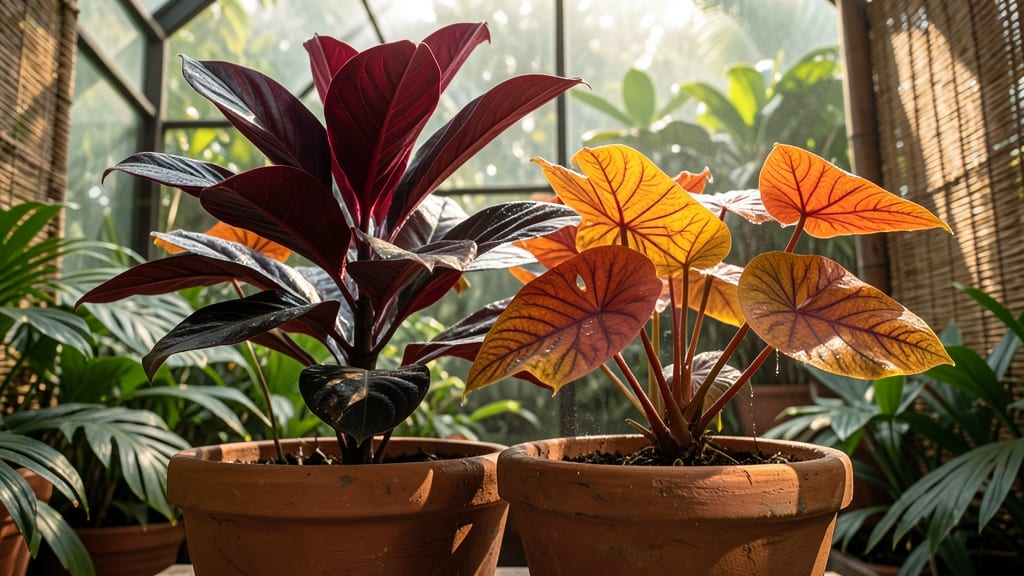
Bring the vibrancy of a tropical paradise to your patio with the Crimson Dragon Rubber Plant paired with orange Caladiums. This bold duo thrives in humid climates and delivers year-round drama with their fiery foliage, making them perfect for containers or as striking focal points.
The Crimson Dragon Rubber Plant features deep red leaves with striking patterns, while orange Caladiums add bright, heart-shaped foliage that pops against its rich tones. Place them together in a large pot with well-draining soil and ensure they receive bright, indirect light—ideal for shaded patios or under trees. Water when the top inch of soil feels dry, keeping the soil consistently moist but not soggy.
This pairing is ideal for gardeners in zones 9-11 or those with indoor spaces needing humidity, like sunrooms or conservatories. It’s a foolproof way to add instant tropical flair to any space without the commitment of a full garden bed. 🌻
Silver Dusty Miller With Deep Red Begonias
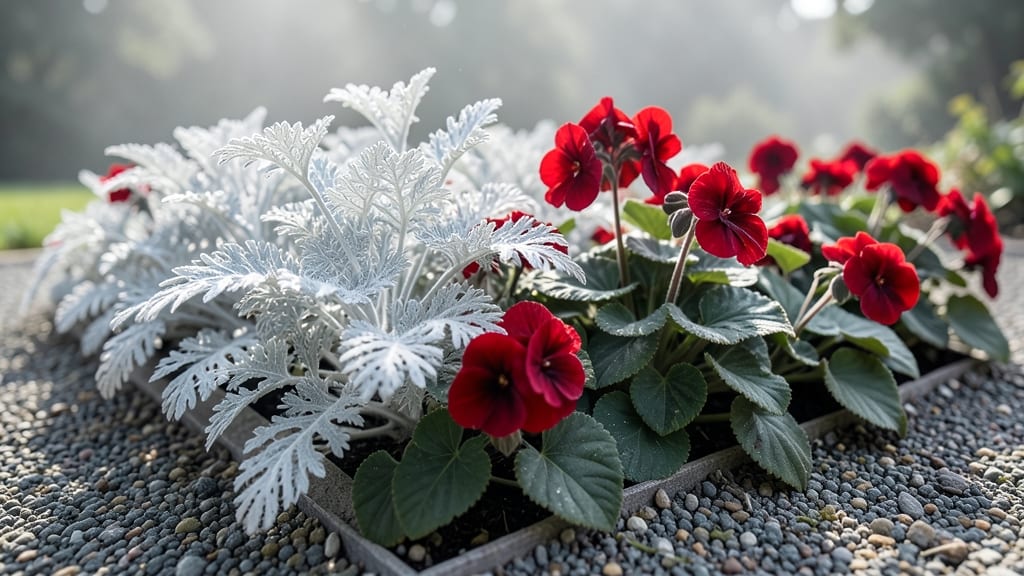
Tired of dull foundation plantings that blend into the background? Pair silver dusty miller with deep red begonias for a showstopping combination that demands attention while requiring almost no effort from you.
The fuzzy silver foliage of dusty miller contrasts beautifully with the velvety red blooms of begonias, creating a striking visual pop in partial shade—perfect for those tricky spots under trees or along north-facing walls. Both thrive in the same well-draining soil and moderate moisture, making them effortless neighbors. Dusty miller's upright growth (18-24 inches) balances begonias' bushy habit, while their contrasting textures add depth to borders.
This pairing is ideal for urban gardeners with limited space or busy homeowners who want drama without the upkeep. The begonias provide seasonal color (spring through fall), while dusty miller stays silvery all year—guaranteeing visual interest from every angle. 🌟
Blue Fescue Grass Mixed With Lavender And Thyme
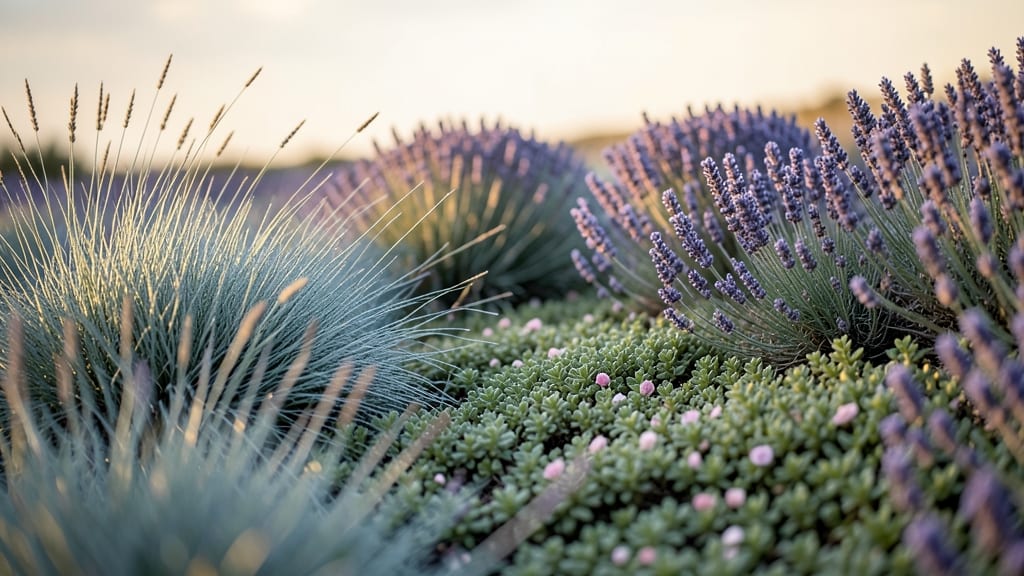
Craving a garden that thrives on neglect while still looking stunning? The blue fescue grass, lavender, and thyme trio delivers a soft, wavy texture that sways in the breeze—all while demanding almost no water once established. This drought-resistant Mediterranean trio is perfect for pollinator gardens, where bees and butterflies adore the fragrant blooms and aromatic foliage.
Plant blue fescue as the backdrop (it grows 12-18 inches tall) with lavender and thyme tucked in front for a layered look. All three herbs thrive in well-draining soil and full sun, making them ideal for rocky or sandy landscapes. The lavender adds purple blooms in summer, while thyme stays evergreen with its silvery foliage, creating year-round interest.
This pairing is ideal for gardeners who want beauty without the fuss—especially in hot, dry climates or urban spaces where water conservation matters. The aromatic benefits alone make it a winner for sensory gardens. 🌿
Black Callas With Chartreuse Sweet Potato Vine
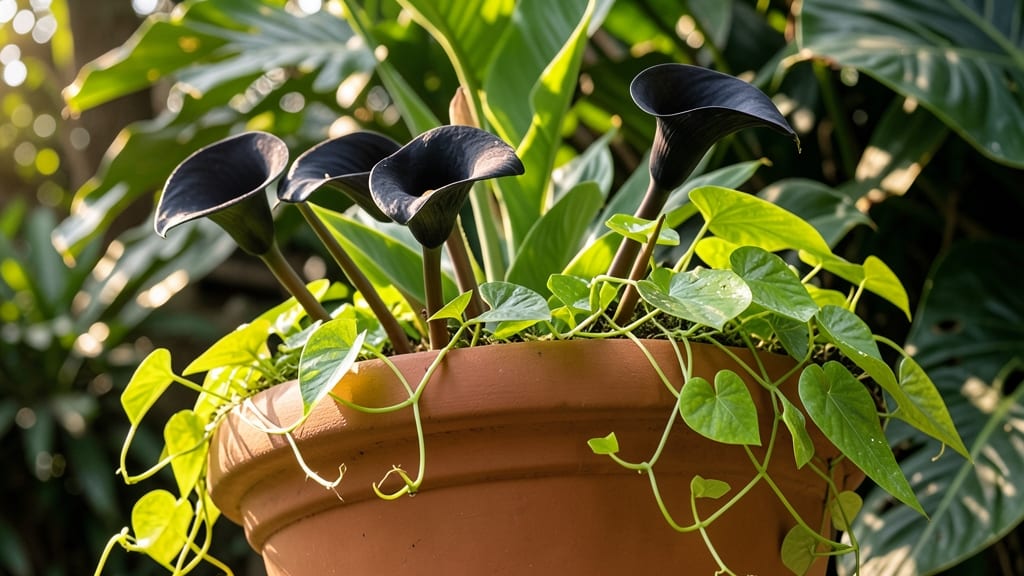
Want to bring a tropical oasis to your patio without the upkeep of a full garden? Pair black calla lilies with chartreuse sweet potato vine for a show-stopping container combo that thrives in heat and humidity. The deep, velvety blooms of callas contrast perfectly with the vine’s bright, trailing foliage, creating a dramatic vertical display that draws the eye upward.
Both plants love bright, indirect light and well-draining soil—ideal for containers. Start by planting callas in the center of a large pot, then let the sweet potato vine cascade over the edges. Water when the top inch of soil feels dry, and fertilize monthly during the growing season for lush, vibrant growth. This pairing works especially well in summer arrangements, adding instant drama to outdoor dining areas or as a centerpiece for gatherings.
Perfect for urban gardeners or anyone with limited space, this combo delivers year-round interest—even when callas go dormant, the vine’s foliage keeps the display lively. It’s the ultimate low-maintenance way to make a bold statement! 🌻
Variegated Boxwood With Purple Leaf Plum
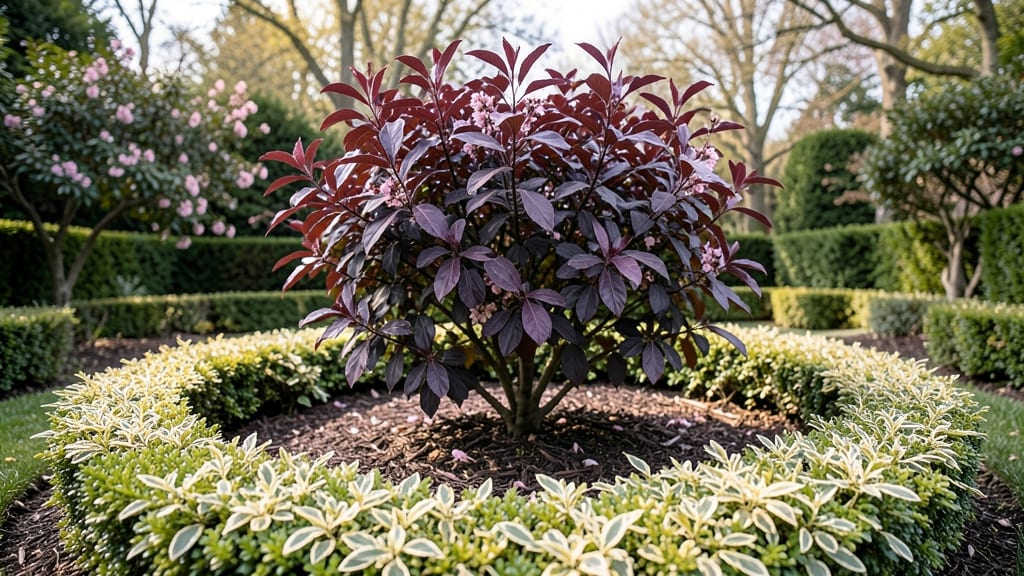
Looking for a garden that feels both timeless and unexpectedly vibrant? The pairing of variegated boxwood with purple leaf plum delivers year-round structure and seasonal color shifts that traditional hedges can't match.
Start by planting purple leaf plum as your focal point—its deep purple foliage and spring blooms create drama, while the variegated boxwood (with creamy edges) provides soft contrast. Both thrive in full sun to partial shade and tolerate most soil types, making them ideal for formal hedges or sculptural topiaries. Prune boxwoods in late spring to maintain shape, while plums benefit from minimal pruning to encourage blooms.
This combination is perfect for gardeners who love structured elegance but crave seasonal surprises—the plum's autumn foliage turns fiery red, while the boxwood stays lush green all year. It's the ultimate low-maintenance statement for classic gardens with a modern twist. ✨
Orange Calibrachoa Spilling Over Silver Senecio
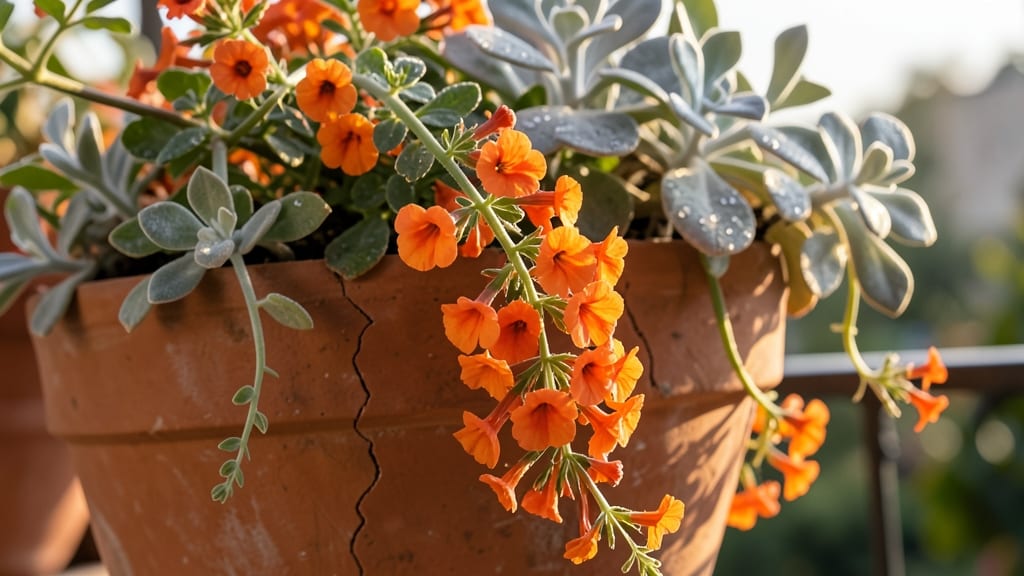
Turn even the smallest balcony or patio into a summer spectacle with this effortless cascading duo. The orange calibrachoa—often called "mini petunias"—spills like a fiery waterfall over the silver senecio, creating a living tapestry that catches every breeze and sparkles in sunlight.
For maximum drama, plant them together in hanging baskets or window boxes where the calibrachoa's trailing habit can fully showcase its 12-18 inch reach. Both thrive in full sun and well-draining soil, making them perfect for containers. Water regularly to keep the calibrachoa blooming nonstop from spring until frost, while the drought-tolerant senecio adds silvery contrast that stays vibrant even when flowers fade.
This pairing is especially magical for urban gardeners or anyone with limited space—it delivers instant curb appeal with minimal effort. The bright orange blooms will draw hummingbirds and butterflies, while the silvery foliage keeps the look fresh all season. 🌻
White Striped Grasses With Deep Purple Iris

Want to add effortless elegance to your garden without sacrificing movement? Pair white-striped grasses—like Miscanthus zebrinus—with deep purple irises (Iris germanica or Iris sibirica) for a dynamic yet refined look.
The arching blades of striped grasses sway gently in the breeze, while irises provide bold vertical structure with their tall, dramatic blooms. Both thrive in full sun to partial shade and prefer well-drained soil, making them low-maintenance stars. Plant grasses in loose clusters around irises to create naturalistic drifts that feel wild yet intentional.
This combo works beautifully in cottage gardens for a romantic touch or as modern accents in minimalist landscapes. The contrast of soft white stripes against rich purple blooms adds unexpected sophistication to any space. 🌻