
Tools
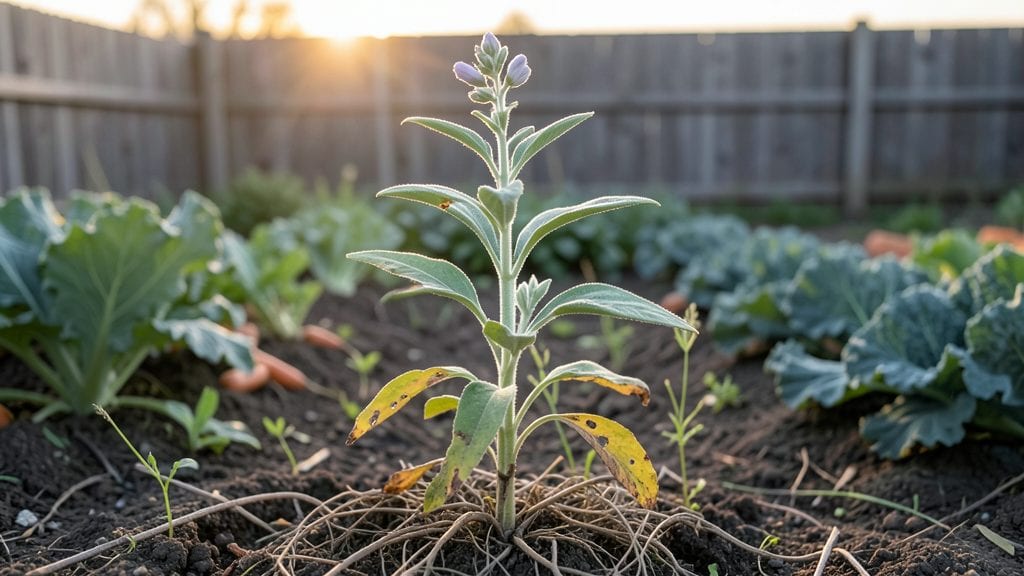
A Sunset Western Garden creates a vibrant, low-maintenance landscape by pairing drought-resistant bloomers like California poppies and lavender with hardy succulents such as agave and yucca. These plants thrive in dry conditions with minimal watering while delivering bold colors and textures that shine in full sun and well-drained soil.
A Sunset Western Garden isn't just about surviving drought—it's about celebrating the beauty of arid landscapes. 🌵 The key lies in selecting plants that naturally store water and reflect sunlight, like yucca with its sword-like leaves or California poppies that burst with fiery orange blooms.
I've found that mixing silver foliage plants like lamb's ear with deep purple sage creates stunning contrast while keeping water needs low. This approach works especially well in regions with hot summers and minimal rainfall, where traditional gardens would struggle.
💡 In This Article
- Drought-Resistant Plant Science for Western Gardens
- Designing a Cohesive Sunset Western Garden Layout
Drought-resistant plant science for Western gardens
Here's what makes these plants so resilient: their deep root systems can extend 6-10 feet underground to access moisture, while their leaves often have thick, waxy coatings that reduce water loss by up to 40%.
Take ceanothus, for example—its roots form symbiotic relationships with nitrogen-fixing bacteria, enriching poor soils while conserving water. This adaptation allows it to thrive with just 1 inch of water every 2-3 weeks once established, compared to traditional lawns that need 1-1.5 inches weekly. 💧
The science gets even more fascinating with succulents like ice plant, which stores water in its thick, fleshy leaves through a process called crassulacean acid metabolism (CAM). These plants open their stomata (pores) at night to absorb CO2, minimizing daytime water loss.
Their leaves often contain 80-90% water content when fully hydrated, acting like natural reservoirs. In contrast, traditional garden plants lose water rapidly through transpiration, requiring frequent irrigation. The waxy cuticle on succulents reflects up to 70% of sunlight, reducing heat absorption and further conserving moisture.
Sunlight requirements vary dramatically between species. Penstemon, for instance, thrives in full sun (6+ hours daily) but develops deeper root systems when given partial shade in extreme heat (above 95°F). This flexibility makes it perfect for Western gardens where afternoon sun can scorch less resilient plants.
Meanwhile, yucca prefers 6-8 hours of direct sun and actually suffers in shaded conditions, where its growth slows and leaves become less rigid. Understanding these preferences lets you create microclimates within your garden by grouping plants with similar needs together.
Soil preferences play a crucial role too. Most Western natives prefer well-draining, rocky soil with pH between 6.0-7.5, though some like ceanothus tolerate slightly alkaline conditions. The key is avoiding compacted clay soils that trap moisture and promote rot.
I've seen dramatic differences in plant health by amending heavy soils with 30-50% coarse sand or gravel, which improves drainage while maintaining mineral content. This mimics natural desert conditions where water quickly percolates through porous substrates rather than pooling at roots.
What most people don't realize is how these plants' growth patterns create natural water conservation systems. For example, agave forms tight rosettes that channel rainwater to the center, where it's absorbed slowly. Meanwhile, California buckwheat grows in dense mats that shade the soil, reducing evaporation by 25-30%.
These structural adaptations work together to create self-sustaining ecosystems that require minimal human intervention once established. The result is a garden that not only survives drought but actively contributes to water conservation through its very design. 🌿
When pairing plants, consider their growth habits to maximize efficiency. Tall species like desert willow (Chilopsis linearis) should anchor the back of borders, while ground covers like creeping thyme work beautifully in front. The thyme's aromatic leaves release oils that naturally repel pests, reducing the need for chemical interventions.
This layered approach creates visual interest while maintaining the garden's ecological balance—proof that beauty and functionality can go hand in hand in arid landscapes. ✨