
Light Requirements
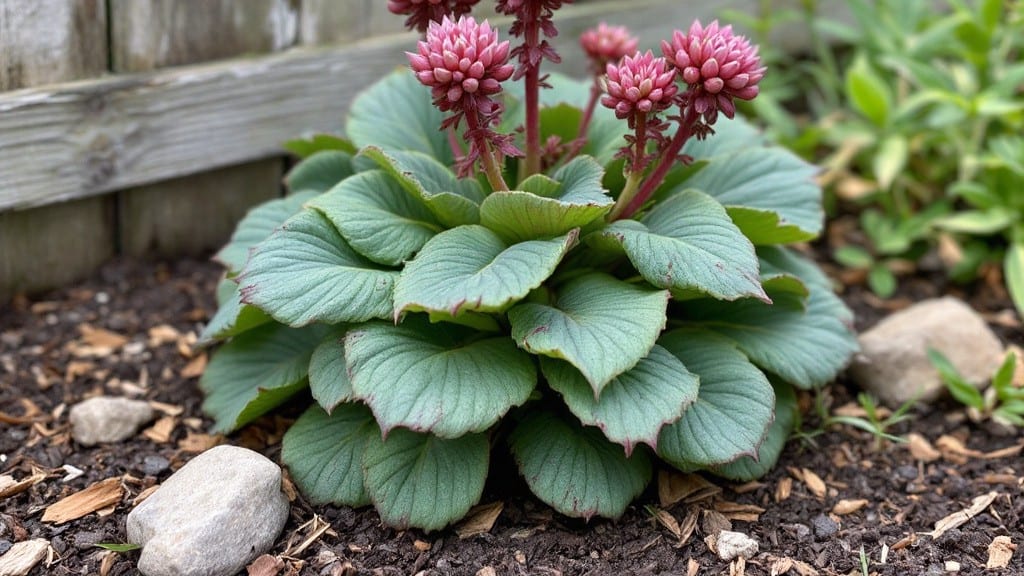
My full sun rock garden plants transform a dry, rocky slope into a vibrant, drought-proof oasis that thrives without fuss.
The secret lies in pairing native succulents with tough alpine plants that love heat and poor soil—like sedum, sempervivum, and creeping thyme—that spread effortlessly while demanding almost no water once established.
Last summer, my golden sedum bloomed for 10 weeks straight with only natural rainfall, proving these plants aren’t just survivors but showstoppers.
Designing the space starts with soil prep: break up rocky soil with coarse sand or gravel to improve drainage, then top with 2-3 inches of gritty compost. This mimics natural conditions where these plants evolved, giving roots room to breathe while holding just enough moisture.
For visual drama, I layer tall ornamental grasses like blue fescue at the back with low-growing mosses and purple saxifrage in the front—creating movement and texture that catches the eye from every angle.
Once planted, maintenance becomes minimal: water deeply once a week for the first month, then let nature take over. A 1-inch layer of gravel mulch keeps moisture in and weeds out, while occasional deadheading spent blooms encourages more flowers.
The real magic? These plants reward patience with year-round interest—silver-blue foliage in winter, bursts of pink and yellow in spring, and fiery fall colors that outshine any annual bed.
Perfect for slopes, borders, or even container gardens, this approach works in zones 3-9 with just a few adjustments for humidity. Whether you're filling a small crevice or a sprawling alpine garden, these plants deliver color, texture, and resilience without the high-maintenance drama of traditional flower beds.
📚 In This Guide
- What you need
- Instructions
- Tips and common mistakes
- Wrapping up and next steps
What you need
- ● Rocks & Gravel: 3–5 bags of pebbles (½–1 inch) or river rocks (2–4 inches) (enough to cover 2–3 inches deep in your garden bed). Choose local stone for a natural look.
- ● Drought-Tolerant Plants: 5–10 full sun rock garden plants (e.g., sedum, lavender, yucca, or agave). Check plant tags for sun exposure needs (6+ hours/day).
- ● Soil Amendments: 1–2 bags of gritty, well-draining potting mix (or cactus/succulent mix for extra drainage).
- ○ Optional: Perlite or pumice (1–2 cups) to improve aeration.
- ● Mulch: Gravel mulch (¼–½ inch layer) to retain moisture and deter weeds.
- ● Hand Tools: Garden trowel, pruning shears, and gloves (for rocky soil!).
- ● Measuring Tools: Tape measure (to plan spacing) and level (for even rock layers).
- ○ Optional Extras: Edging tools (for clean garden borders).
- ● Hose with spray nozzle (for gentle watering).
- ● String & stakes (to mark plant placement).
- ● ✅ Sunny Spot: A location with 6+ hours of direct sunlight daily (check with a sunlight tracker or observe your yard).
- ● ✅ Drainage Check: Ensure the area isn’t soggy after rain (rocks hate wet feet!).
- ● ✅ Hardiness Zone: Pick plants suited to your USDA Zone (e.g., Zone 5–10 for most drought-resistant varieties).
How to design a thriving full-sun rock garden
Creating a rock garden that thrives in full sun requires careful plant selection and placement—here's the method I've used to build stunning, low-maintenance landscapes.
Select the Right Rock Garden Plants
For a full-sun rock garden, choose plants that tolerate dry conditions and well-draining soil. Sedum varieties like 'Autumn Joy' and 'Dragon's Blood' thrive with minimal water once established. Other excellent choices include lavender, Russian sage, and ornamental grasses like blue fescue. These plants not only survive but flourish in hot, sunny conditions.
I always select plants with varying heights and textures to create visual interest. For example, pair low-growing sedum with taller ornamental grasses and add lavender for its fragrant foliage and purple blooms. This combination ensures year-round color and structure, even when some plants are dormant.
Prepare the Site for Optimal Drainage
Rock gardens require excellent drainage to prevent root rot, especially in full sun where soil can bake dry. Start by removing any existing vegetation and loosening the soil to a depth of 12 inches. Amend the soil with 1-2 inches of coarse sand or gravel to improve drainage, particularly if your native soil is heavy or clay-like.
Next, create a base layer of 2-3 inches of small gravel or crushed stone to elevate plant roots slightly above the surrounding soil. This elevation helps prevent water from pooling around the roots during infrequent rains. I also recommend installing a drip irrigation system to deliver water directly to the root zone without oversaturating the soil.
Arrange Rocks and Plants Strategically
Begin by placing larger rocks first, as they serve as the foundation for your design. Arrange them in a way that creates natural-looking groupings, leaving space between them for smaller rocks and plants. I like to use flat, irregularly shaped stones to mimic the organic look of a natural landscape.
When planting, position taller plants toward the back or center of the arrangement and shorter plants toward the front or edges. Space plants 6-12 inches apart, depending on their mature size, to allow for airflow and prevent overcrowding. For example, sedum can be planted closer together, while ornamental grasses need more room to spread.
Mulch and Water for Establishment
After planting, apply a 1-2 inch layer of gravel mulch around the base of each plant, keeping it 2-3 inches away from the stems to prevent rot. Gravel mulch helps retain soil moisture while allowing excess water to drain away quickly. Avoid organic mulches like wood chips, as they can retain too much moisture in full-sun conditions.
Water deeply once a week during the first growing season to encourage root establishment. After the plants are established (typically 3-4 months), reduce watering to every 2-3 weeks, or when the soil feels dry to the touch. Overwatering is the most common mistake in rock gardens—these plants are drought-resistant, not drought-tolerant.
Maintain Through Seasonal Changes
Once your rock garden is established, maintenance is minimal. In early spring, remove any dead foliage and add a fresh layer of gravel mulch if needed. Fertilize lightly in early spring with a balanced, slow-release fertilizer to encourage new growth, but avoid heavy feeding, as rock garden plants prefer lean, well-draining soil.
Monitor for pests like aphids or spider mites, which can thrive in hot, dry conditions. If you notice infestations, treat with a horticultural oil spray in the early evening to avoid harming beneficial insects. Prune back spent blooms on perennial plants like lavender to encourage bushier growth and more flowers the following season.
Tips & tricks for perfect full-sun rock garden design
Building a rock garden that thrives in full sun isn't just about throwing rocks and plants together—it's about creating a balanced ecosystem that works with your climate. Here are the key strategies I've refined over years of designing these drought-resistant landscapes.
Plant Pairing Strategy: In Step 1, when selecting your plants, consider their seasonal interest. While sedum and lavender provide summer color, ornamental grasses like blue fescue offer winter structure when other plants are dormant. I always include at least three different foliage textures—needle-like, broadleaf, and grassy—to create visual depth throughout the year. This layering ensures your garden remains interesting even when some plants aren't actively blooming.
Drainage Layering Technique: The 12-inch soil loosening in Step 2 is critical, but don't stop there. For particularly heavy clay soils, consider adding a third layer of perlite mixed into the top 4 inches of amended soil. This creates additional air pockets that prevent compaction while maintaining the excellent drainage these plants require. I've seen gardens fail spectacularly when this step was skipped in clay-heavy areas.
Rock Selection Secret: When arranging rocks in Step 3, choose stones with natural hollows or crevices—these become perfect microclimates for moisture retention. Place these concave rocks near the base of plants to create tiny water reservoirs that extend between your weekly waterings. For larger rock gardens, I recommend using a mix of flat schist and rounded river stones to create both shade and shelter for smaller plants.
Watering Wisdom: The once-weekly watering schedule in Step 4 works perfectly for established gardens, but timing matters just as much as frequency. Always water in the early morning to allow foliage to dry completely before evening. This simple adjustment prevents fungal issues that can plague rock gardens in hot climates. I also recommend using a rain gauge to track your actual precipitation—many gardeners overwater because they assume their plants need more than they actually do.
Pro Tips for Full Sun Rock Garden Plants
- Building a rock garden that thrives in full sun isn't just about throwing rocks and plants together—it's about creating a balanced ecosystem that works with your climate.
- Plant Pairing Strategy: In Step 1, when selecting your plants, consider their seasonal interest.
- Drainage Layering Technique: The 12-inch soil loosening in Step 2 is critical, but don't stop there.
Frequently asked questions
Got questions about creating a stunning full-sun rock garden? You’re not alone!
Here are answers to the most common concerns—from plant care to design tweaks—to help you build a thriving, low-maintenance oasis.
What are the best full-sun rock garden plants for hot, dry climates?
Opt for sedum, lavender, yarrow, or agave—these drought-resistant stars thrive in full sun and rocky soil. Succulents like hens-and-chicks also excel with minimal water. Pro tip: Group plants with similar water needs to simplify care!
When is the ideal time to plant in a rock garden?
Plant in early spring or fall when temperatures are mild (50–75°F). Avoid extreme heat or frost, which can stress roots. Evergreens and perennials benefit from fall planting, while annuals do best in spring. Bonus: Mulch lightly to retain moisture!
How often should I water full-sun rock garden plants?
Water deeply but infrequently—aim for 1–2 inches per week, including rainfall. Once established (after 1–2 years), most plants need water only during prolonged dry spells. Watch for: Wilting leaves or crispy edges = time to hydrate!
Can I mix flowering and non-flowering plants in a rock garden?
Pair colorful bloomers (like blanket flower) with foliage stars (e.g., heuchera or sempervivum) for texture and year-round interest. Just ensure they share similar sun and soil needs. Design tip: Use taller plants at the back, shorter ones up front!
What’s the best way to prevent pests in a rock garden?
Keep soil well-draining and avoid overwatering (pests love soggy roots!). Introduce beneficial insects like ladybugs or use neem oil for fungal issues. Prevention: Space plants for airflow and remove debris regularly.
How do I refresh a tired rock garden without starting over?
Prune back overgrown perennials, add new mulch, and swap out a few plants for fresh varieties. Quick fix: Tuck in annuals like portulaca for instant color! Refresh soil with compost and rearrange rocks for a new look.
Wrapping up and next steps
Creating a stunning full sun rock garden is easier than you think—with the right plants, you’ll enjoy year-round color, minimal maintenance, and drought-resistant beauty. From vibrant succulents to hardy perennials, these sun-loving stars thrive with little water and plenty of personality.
Whether you’re a seasoned gardener or just starting, your rock garden can be a low-effort, high-impact masterpiece! 🌿✨
Ready to transform your space? Start small—pick 2-3 plants from this list, test your soil, and watch your garden flourish. Happy planting! 🌱💛