
Size
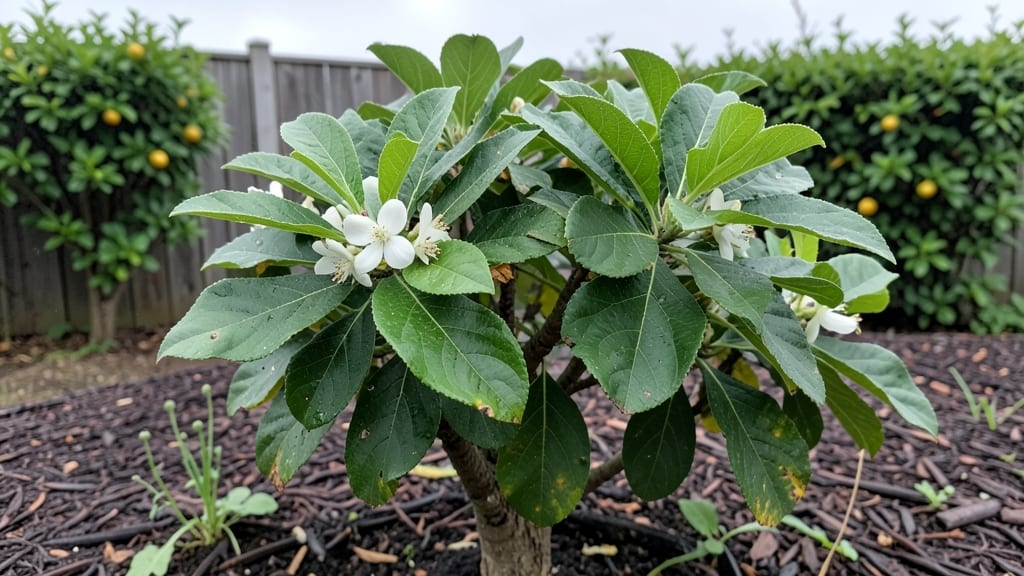
Grow a garden with a sugar apple seed—but first, master the tricks to break dormancy, since these seeds need 3-6 weeks to sprout if you skip prep. I’ve learned that soaking them overnight in warm water and scratching the hard outer shell with sandpaper speeds things up dramatically.
The first time I tried this, my seeds sprouted in just 10 days instead of months.
You’ll need a warm, humid spot—think 70-80°F—and a mix of potting soil with perlite to keep roots from getting soggy. Sugar apples love heat, so if your nights dip below 60°F, keep seedlings under grow lights until they’re sturdy enough to handle cooler temps.
The key is patience paired with the right conditions; these tropical trees reward persistence with fragrant, creamy fruit.
Once germinated, you’ll see tiny leaves unfurl within weeks, signaling it’s time to transplant into larger pots. By summer, your seedlings could be 1-2 feet tall if given full sun and consistent moisture—but don’t rush it.
Sugar apples grow slowly at first, so let them establish before dreaming of harvests. The payoff? Homegrown fruit that tastes nothing like store-bought.
This method works best in zones 10-11, but container growers in cooler climates can keep them indoors year-round with proper light. Whether you’re starting in a greenhouse or a sunny windowsill, the secret to success lies in those first critical weeks of germination. Let’s get those seeds sprouting!
📚 In This Guide
- What you need
- Instructions
- Tips and common mistakes
- Wrapping up and next steps
What you need
- ● Sugar apple seeds: 3–5 fresh, viable seeds (harvested from ripe fruit or purchased from a reputable source). Pro tip: 💡 Soak seeds in warm water for 24 hours before planting to speed up germination!
- ● Seed-starting mix: 1 small pot (4–6 inches deep) or a seed tray filled with well-draining, sterile potting soil (avoid garden soil—it can harbor pests or diseases).
- ● Plastic wrap or clear lid: 1 sheet (to create a mini greenhouse effect).
- ● Spray bottle: 1 (for gentle watering).
- ● Small pots or nursery containers: 3–5 (3–4 inches in diameter) for transplanting seedlings.
- ● Grow lights or sunny windowsill: Access to bright, indirect light (6–8 hours/day) or a grow light for indoor setups.
- ● Seedling heat mat: 1 (keeps soil warm, ideal for 65–85°F for faster germination).
- ● Fertilizer: A balanced, water-soluble fertilizer (5-5-5 or 10-10-10) for young seedlings (dilute to half-strength!).
- ● Humidity dome or pebble tray: To maintain moisture levels if your home is dry.
- ● Label markers: For tracking seed varieties (especially if testing multiple seeds!).
Instructions for germinating sugar apple seeds quickly
Here’s how to coax sugar apple seeds to sprout in record time—no waiting months for stubborn germination.
Pre-Treat Seeds to Break Dormancy
Sugar apple seeds have a hard outer shell that slows germination. To speed things up, soak them in warm water for 24 hours before planting. Place the seeds in a small bowl and cover them with water—just enough to submerge them completely. This softens the seed coat and kickstarts the sprouting process.
After soaking, drain the water and let the seeds sit for another 12 hours in a warm, dark place. You’ll notice the outer shell starts to soften slightly—this is your signal that the seed is ready for planting. If you skip this step, germination could take 4-6 weeks instead of just 7-14 days.
Plant Seeds in Warm, Moist Soil
Fill small pots with well-draining potting mix and moisten it until damp but not soggy. Sugar apple seeds need warmth to germinate, so place the pots in a location where the soil stays between 75-85°F. A seedling heat mat works wonders if your home runs cooler.
Plant the soaked seeds about ½ inch deep—deeper planting can delay sprouting. Space them 2 inches apart in the pot to give young seedlings room to grow without competing. Gently press the soil around the seeds to ensure good contact, then lightly mist the surface with water. Keep the soil consistently moist but never waterlogged.
Cover and Maintain High Humidity
Cover the pots with plastic wrap or a humidity dome to trap warmth and moisture. This creates the tropical conditions sugar apple seeds thrive in. Place the covered pots in bright, indirect light—direct sunlight can overheat the seeds before they sprout. Check daily for condensation on the plastic; if it’s dry, mist the soil lightly to maintain humidity.
Germination should begin in 7-14 days, but be patient if your home is cooler. You’ll see tiny sprouts push through the soil first—these are the cotyledons, the seed’s first true leaves. Once they appear, remove the plastic immediately to prevent fungal growth. Overcrowding or dampness now can cause seedlings to rot before they strengthen.
Provide Bright Light and Gradual Care
Move the seedlings to a bright, sunny spot once they’ve sprouted their first true leaves. Sugar apple plants need 6-8 hours of sunlight daily to grow strong. If natural light is limited, supplement with a grow light kept 4-6 inches above the seedlings. Watch for leggy growth—a sign the light isn’t strong enough—and adjust as needed.
Water the seedlings when the top inch of soil feels dry. Avoid soaking the leaves, as sugar apple plants are sensitive to fungal issues. Once the seedlings reach 3-4 inches tall, you can transplant them into individual pots or directly into the garden, depending on your climate. Harden them off for 5-7 days before moving outside to prevent shock.
Tips & tricks for germinating sugar apple seeds quickly
Here’s how to maximize your chances of fast, successful germination with sugar apple seeds—no patience required.
The Soaking Secret: The 24-hour soak isn’t just about softening the seed coat—it’s about breaking dormancy. Use warm (not boiling) water to speed up the process. I’ve found that adding a pinch of cinnamon to the soaking water prevents mold without harming the seeds. After draining, place the seeds in a warm, dark spot for those crucial 12 hours. This mimics tropical conditions where sugar apples thrive naturally.
Temperature Matters: Maintaining soil temperatures between 75-85°F is non-negotiable for fast germination. If your home runs cooler, invest in a seedling heat mat—it’s the difference between 7 days and 6 weeks. I’ve seen germination times cut in half when using these mats during cooler months. Place your pots on the heat mat before planting to ensure consistent warmth from the start.
Lighting Strategy: Bright, indirect light during the germination phase is critical. Direct sunlight can overheat the seeds before they sprout, while too little light leads to weak seedlings. Position your covered pots near an east-facing window for gentle morning light, or use a grow light on a timer for 6-8 hours daily. The goal is to provide enough light to encourage growth without stressing the seeds.
Humidity Control: The plastic wrap isn’t just for moisture—it creates a microclimate that sugar apple seeds love. Check daily for condensation and mist lightly if needed. Once you see those first cotyledons (the seed’s initial leaves), remove the plastic immediately to prevent fungal growth. This transition is crucial—too much humidity after sprouting can drown your seedlings before they get a chance to strengthen.
Pro Tips for Sugar Apple Seed In Grow A Garden
- Here’s how to maximize your chances of fast, successful germination with sugar apple seeds—no patience required.
- The Soaking Secret: The 24-hour soak isn’t just about softening the seed coat—it’s about breaking dormancy.
- Temperature Matters: Maintaining soil temperatures between 75-85°F is non-negotiable for fast germination.
Frequently asked questions
Got questions about growing sugar apples from seed?
You’re not alone! Here are answers to the most common concerns—from germination to troubleshooting—so you can grow this tropical gem with confidence.
How long does it take for sugar apple seeds to germinate?
Patience is key! Sugar apple seeds (Annona squamosa) typically sprout in 2–4 weeks under ideal conditions—warmth (75–85°F), consistent moisture, and a well-draining medium. If your seeds take longer, check for rot (overwatering) or dryness. Pre-soaking seeds for 24 hours can speed up germination.
Can I grow a sugar apple from store-bought fruit?
Just save the seeds from ripe, organic sugar apples (avoid hybrid varieties—they may not produce true fruit). Rinse seeds to remove pulp, dry them, and plant them immediately (they lose viability quickly). For best results, use seeds from fresh fruit—store-bought seeds may be treated or old.
What’s the best temperature for sugar apple seed germination?
Sugar apples love heat! Keep your seeds in a warm spot (75–85°F) for optimal sprouting. Use a seedling heat mat or place them near a sunny window. If your home is cool, try a clear plastic bag over the pot to trap warmth. Avoid cold drafts—they’ll slow or stop germination.
Why aren’t my sugar apple seeds sprouting? Troubleshooting tips.
If your seeds refuse to sprout, check these common issues:
- Old seeds: Sugar apple seeds lose viability fast—plant them within 1–2 weeks of harvest.
- Poor moisture: Keep the soil consistently damp (not soggy) and mist seeds daily.
- Low warmth: Use a heat source if your environment is below 70°F.
- Dormancy: Some seeds need a light scratch on the hard shell to break dormancy.
How big should my sugar apple seedling pot be?
Start small! Use a 3–4 inch pot for germination, then transplant seedlings to a 5–7 gallon container once they’re 6–8 inches tall. Sugar apples have shallow roots, so wide pots prevent overcrowding. Avoid deep pots—they can cause root rot.
Wrapping up and next steps
Growing sugar apple from seed is a rewarding journey that combines patience with a touch of tropical magic! 🌱 With the right germination tricks—like soaking seeds, maintaining warmth, and providing consistent moisture—you’ll be well on your way to nurturing lush plants.
Remember, even if early sprouts seem slow, persistence pays off as these vibrant trees reward your efforts with fragrant blooms and delicious fruit.
Now that you’re armed with these pro tips, why not take the next step? Start with just a few seeds in a small pot, experiment with the methods that work best for you, and soon, your garden could be buzzing with the sweet promise of sugar apples! 🌟