
Advice
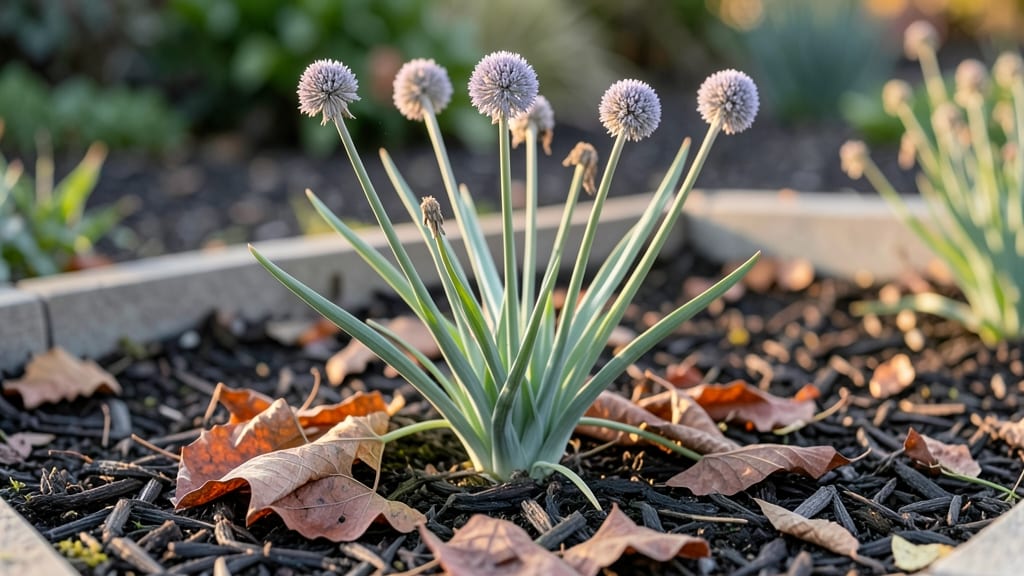
Leaving leaves on garden beds can protect soil and plants in winter, but whole leaves left in thick piles may suffocate roots or attract pests. For best results, shred them first or spread lightly to balance benefits with risks.
Deciding whether to leave leaves on garden beds depends on how you prepare them.
Whole leaves create a dense mat that blocks sunlight and air from reaching soil and plants, while shredded leaves break down faster, enriching the soil with nutrients. 🌿 I’ve seen gardeners use this method to naturally fertilize beds, but it’s crucial to monitor thickness—anything over 3 inches can harm perennials or young plants.
For lawns, leaves can smother grass, so raking them up is often better.
Another key factor is the type of plants you’re protecting. Perennials and shrubs benefit from leaf cover during winter, as it insulates roots from freezing temperatures. However, annuals or delicate plants may struggle under heavy leaf layers.
If you choose to leave leaves, consider mixing them with straw or grass clippings to improve airflow and decomposition.
💡 In This Article
- How Mulched Leaves Improve Soil Fertility
- Best Practices for Using Fallen Leaves in Gardens
How mulched leaves improve soil fertility
When leaves decompose, they release a treasure trove of nutrients back into the soil. This process transforms coarse organic matter into a fine, crumbly texture that improves soil structure—similar to how compost works, but slower.
The key players here are microorganisms like bacteria and fungi, which break down cellulose and lignin in leaves, creating humus. This humus boosts the soil's ability to retain moisture and nutrients, acting like a natural sponge for plant roots. 🌱
Shredded leaves decompose at a rate of about 1-2 inches per year, depending on leaf type and climate. Oak leaves, for example, take longer to break down than maple leaves due to their higher lignin content.
When finely chopped, they create a porous layer that allows air and water to penetrate while suppressing weeds. This contrasts sharply with thick, unshredded layers, which can create an anaerobic environment that smells foul and harms beneficial soil microbes.
The moisture-retention benefits are particularly noticeable in dry climates. A 3-inch layer of shredded leaves can reduce soil evaporation by up to 30%, while whole leaves left in piles may actually increase evaporation by trapping heat.
This is why gardeners in arid regions often prefer shredded leaves—they mimic the water-holding capacity of commercial mulches but cost nothing to produce. The texture also improves as decomposition progresses, eventually transforming into leaf mold, a prized soil amendment.
What most people don't realize is how leaf mulch affects soil temperature. During summer, it keeps roots cooler by 5-10°F compared to bare soil, while in winter it provides insulation against freezing. This temperature regulation creates ideal conditions for beneficial microbes to thrive year-round.
The contrast between thick layers (which can overheat) and properly shredded leaves (which maintain balance) explains why soil health often improves more with the latter approach. 🌡️
Consider this comparison: A 1-inch layer of shredded leaves adds about 2 pounds of organic matter per 100 square feet annually, while a 3-inch thick layer of whole leaves might add the same amount but takes 3-4 years to decompose.
The difference lies in surface area—shredding increases exposure to moisture and microbes by up to 500%, accelerating nutrient cycling. This is why professional gardeners often recommend shredding before applying leaves as mulch.
For maximum benefits, aim for a 2-3 inch layer of shredded leaves spread evenly. This thickness provides enough insulation without smothering plants or creating pest habitats. The decomposition process also releases nutrients gradually, preventing the rapid spikes that can burn plant roots.
Over time, this method builds soil fertility more sustainably than synthetic fertilizers, creating a self-sustaining ecosystem in your garden. 🌿