
Flowers
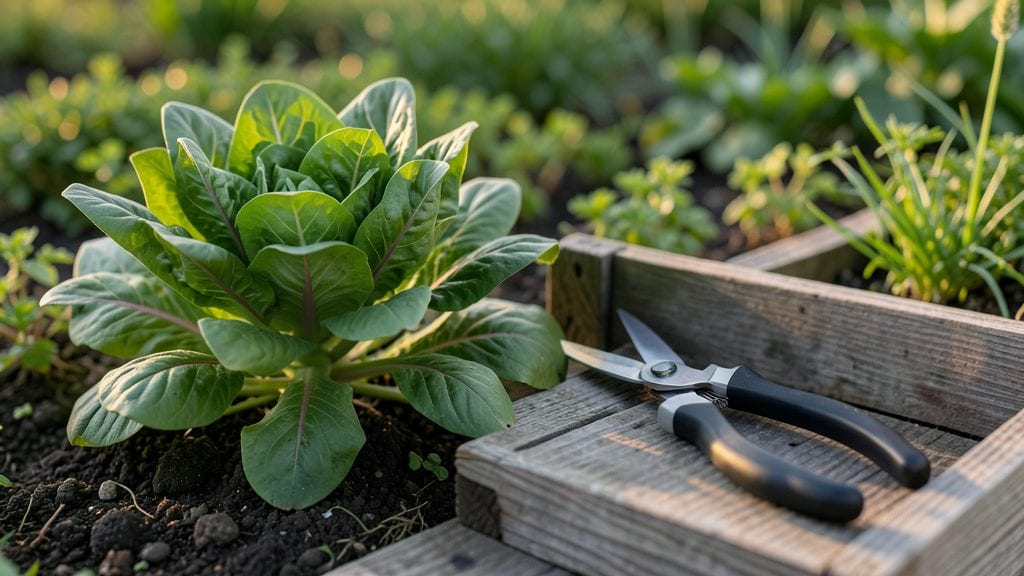
Freshly gardened soil means land recently tilled and enriched with organic material, creating the perfect foundation for planting with balanced nutrients, better water flow, and an active soil microbiome that supports strong root systems.
When soil is freshly gardened, it's not just about turning the earth—it's about waking up the ecosystem beneath your plants. 🌱 The tilled layers break up compaction, while added compost or aged manure introduce beneficial microbes that break down organic matter into plant-available nutrients.
This process also improves aeration, letting roots breathe and grow deeper. I always test my soil's readiness by pressing it gently—if it crumbles easily and smells rich (not sour or chemical), it's ready for seeds or transplants.
What many gardeners overlook is that freshly gardened soil isn't just about the moment of planting—it's about creating long-term health. The microbial activity that kicks off during preparation continues working for months, gradually releasing nutrients and suppressing harmful pathogens.
For example, adding worm castings doesn't just feed plants immediately; it builds a resilient soil structure over time, reducing the need for frequent amendments.
💡 In This Article
- How Soil Preparation Boosts Plant Growth
- Signs Your Garden Soil Is Truly Freshly Gardened
How soil preparation boosts plant growth
The real magic of freshly worked garden beds happens at the microscopic level. When you till or loosen compacted soil, you're creating tiny air pockets that improve oxygen flow to roots—a process called aeration. This isn't just about physical space; it triggers a cascade of biological activity.
Soil microbes, particularly aerobic bacteria and fungi, multiply rapidly in oxygen-rich conditions, breaking down organic matter at rates up to 30% faster than in compacted soil. These microbes then produce enzymes that convert complex organic compounds into plant-accessible nutrients like nitrogen, phosphorus, and potassium.
Organic amendments like compost or worm castings act like a microbial buffet. A single gram of high-quality compost contains billions of beneficial bacteria and fungi, while worm castings introduce 10-20 times more microbial diversity than regular soil.
These microorganisms form symbiotic relationships with plant roots, creating what scientists call the rhizosphere—a nutrient-rich zone where roots and microbes exchange sugars for minerals.
Studies show plants grown in freshly amended soil can absorb nutrients 2-3 times more efficiently than in unamended soil, leading to faster growth and higher yields.
Here's what's actually happening with drainage: Freshly tilled soil with organic matter creates a sponge-like structure that holds water while allowing excess to drain. The organic material's porous nature increases the soil's water-holding capacity by 30-50% compared to clay-heavy or sandy soils.
This moisture balance is crucial—too much water drowns roots, while too little stresses plants. The ideal freshly gardened soil maintains moisture like a well-wrung sponge: damp but not soggy, with clumps that hold together when squeezed but break apart easily when touched.
Disease resistance gets a major boost too. The diverse microbial community in freshly prepared soil outcompetes pathogenic bacteria and fungi. For example, adding 1-2 inches of compost can reduce soil-borne diseases by 40-60% by creating a biological barrier.
Mycorrhizal fungi, which naturally colonize freshly tilled soil, form networks that connect plant roots, allowing them to share nutrients and signals that enhance overall plant health. This is why freshly gardened beds often show fewer signs of blight, rot, or wilting compared to neglected soil.
The physical structure matters just as much as the biology. Freshly tilled soil with 3-5% organic matter has a crumb structure that's 10-20 times more porous than compacted soil. This isn't just about looks—it creates the perfect environment for root exploration.
Plant roots can grow 2-3 times deeper in loose, aerated soil compared to hardpan, accessing nutrients and water from larger volumes. The texture should be like a well-made chocolate cake batter: light enough to crumble between fingers but with enough cohesion to hold its shape.
What most people don't realize is that freshly gardened soil continues evolving even after planting. The microbial activity peaks within 2-4 weeks after preparation but can sustain nutrient release for 6-12 months, depending on organic matter quality.
This delayed-release effect means your plants get a steady supply of nutrients rather than an initial spike followed by depletion. For example, a 1-inch layer of compost can provide nutrients for an entire growing season, while synthetic fertilizers often require multiple applications and can disrupt soil biology.