
Fertilization
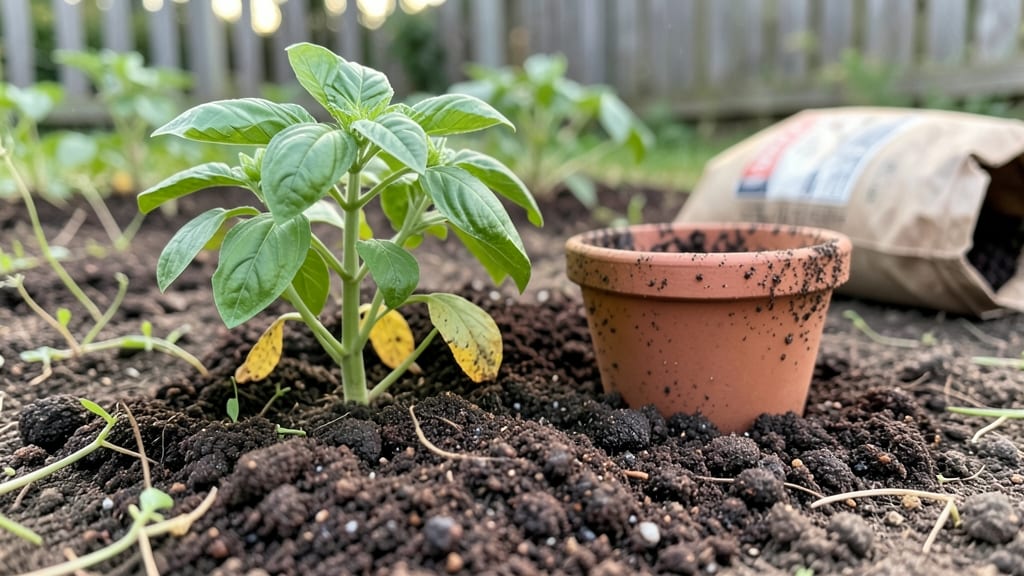
Coffee grounds in the vegetable garden improve soil acidity, repel pests like slugs and ants, and enrich the soil with nitrogen. Apply them lightly around plants or compost first to prevent over-acidification.
Coffee grounds are a gardener's secret weapon because they're packed with nutrients like nitrogen, phosphorus, and potassium—key ingredients for healthy plant growth. 🌱 The used grounds also act as a natural pest deterrent, thanks to their strong scent, which many insects find unpleasant.
What's more, they break down slowly, gradually improving soil structure and moisture retention over time.
For best results, I recommend mixing them into compost or spreading a thin layer around acid-loving plants like tomatoes and blueberries. Just avoid overdoing it—too much can make the soil too acidic for other vegetables. A little goes a long way!
💡 In This Article
- How Coffee Grounds Boost Soil Fertility and Plant Growth
- Practical Ways to Apply Coffee Grounds Without Harming Plants
How coffee grounds boost soil fertility and plant growth
Coffee grounds are a powerhouse of nutrients, containing about 2% nitrogen, 0.1% phosphorus, and 0.08% potassium by weight—key macronutrients plants crave. The nitrogen content, in particular, comes from proteins and amino acids in the coffee beans, which break down into ammonium (NH₄⁺) during decomposition.
This slow-release nutrient feeds soil microbes first, creating a thriving ecosystem that later benefits your plants. The microbial activity also boosts soil aeration and water retention, making roots happier and more efficient at absorbing nutrients. 🌱
What makes coffee grounds especially valuable is their ability to lower soil pH, creating ideal conditions for acid-loving plants like blueberries, azaleas, and tomatoes. A fresh cup of coffee has a pH of around 4.85-5.10, and as it decomposes, it gradually acidifies the surrounding soil.
For example, blueberries thrive in soil with a pH between 4.5-5.5, while most vegetables prefer slightly higher pH levels (6.0-7.0). This targeted acidification is why gardeners often use coffee grounds as a soil amendment for specific crops rather than spreading them universally.
The physical structure of coffee grounds also plays a role in soil health. Their coarse, granular texture improves soil porosity, allowing air and water to move more freely. Over time, this prevents compaction and encourages beneficial fungal networks called mycorrhizae to form around plant roots.
These fungi act like tiny nutrient pipelines, delivering phosphorus and other minerals directly to your plants. What's more, the slow decomposition process means nutrients release steadily over weeks rather than all at once, reducing the risk of burning plant roots. ✨
One often-overlooked benefit is pest control. The caffeine and tannins in coffee grounds act as natural repellents for slugs, ants, and even some fungal pathogens. Studies show that slugs, in particular, avoid areas treated with coffee grounds due to their bitter taste and strong aroma.
However, this effect works best when applied fresh—composted grounds lose their pest-deterrent properties as they break down. For maximum impact, mix a ½-inch layer of used grounds into the topsoil around susceptible plants like lettuce or hostas.
To harness these benefits without over-acidifying your soil, balance coffee grounds with other organic amendments. For every 1 cup of grounds, add 2 cups of compost or wood ash to neutralize excess acidity.
This creates a nutrient-rich, well-structured growing medium that supports both microbial life and plant roots. The key is moderation—think of coffee grounds as a supplement, not a sole fertilizer. 💫
For acid-loving plants like tomatoes, a 1:3 ratio of coffee grounds to soil (by volume) can boost growth without harm. Monitor your soil's pH regularly using a simple test kit, aiming for the ideal range of your specific crops.
Over time, you'll notice stronger stems, deeper green foliage, and even better fruit production—all thanks to the hidden potential of what was once just yesterday's brew. 🌿